Keywords
Frozen Shoulder, Early Structured Physiotherapy, Oxford Shoulder Score, Diabetes.

Frozen Shoulder, Early Structured Physiotherapy, Oxford Shoulder Score, Diabetes.
Frozen shoulder (also known as adhesive capsulitis) can cause significant pain and limited movement of the shoulder-joint and is associated with functional impairment. These symptoms can significantly impair basic daily activities, cause sleep disturbance and provoke anxieties.1 Furthermore, patients suffering from frozen shoulder require more frequent and prolonged time-periods away from work.2 Frozen shoulder affects up to 10% of the general population and is most prevalent in those aged between 55 and 65 years of age.3 There is a greatly increased risk of frozen shoulder within diabetics, in whom it is estimated to be five times more prevalent.4 Diabetic patients also suffer more from mobility related issues such as obesity, diabetic foot disease and other joint immobility.5
Various treatment modalities are available for frozen shoulder, but further clarity is required about their clinical effectiveness and cost-effectiveness.6 Recent systematic reviews conclude a need for more rigorous primary research evaluating treatments.7–9 A survey of health professionals across primary and secondary care provision also confirmed the need for further research.10 The UK FROST trial evaluated the management of frozen shoulder in adults in secondary care11 and compared i) Manipulation Under Anaesthetic, ii) Arthroscopic Capsular Release (ACR) and iii) a bespoke non-surgical physiotherapy pathway which focused on supervised exercises, patient education, home exercises and provision of an intra-articular steroid injection. The conclusion was that no intervention was clinically superior, however, MUA was the most cost-effective treatment to the NHS and ACR had higher patient risks.11
This study is a secondary analysis of participants who were randomised to the ESP treatment arm within the UK FROST trial. The objectives were to: investigate relationships between the delivery of physiotherapy and effect on patient outcomes including establishing the optimal number of sessions required to benefit participants; explore the effectiveness of physiotherapy between diabetics and non-diabetics, as well as those who received a steroid injection with those who did not; and determine characteristics predictive of improved outcomes following physiotherapy for frozen shoulder.
There was no patients and the public involvement in this secondary data analysis.
This was a secondary analysis of the United Kingdom Frozen Shoulder Trial (UK FROST, ISRCTN48804508). The full trial methodology is published in the trial report.11 Ethical approval was obtained from the National Research Ethics Service (NRES Committee North East, 14/NE/1176).
Participants were those randomised to the ESP treatment arm of the UK FROST trial and were 18 years or older with a clinical diagnosis of unilateral frozen shoulder.12 Informed written consent was obtained from all participants prior to being recruited to the UK FROST study.
The ESP programme was based on evidence from a systematic review,8 UK guidelines,13,14 surveys of physiotherapists,15,16 and consensus from a Delphi Survey.17 It consisted of 12 structured physiotherapy sessions delivered by qualified physiotherapists. In exceptional cases, three further sessions were permitted. At the earliest opportunity before starting physiotherapy, an intra-articular steroid injection was administered with or without imaging guidance.18
The ESP programme was subdivided into essential and non-essential components. The essential component consisted of patient education, an intra-articular steroid injection, manual shoulder mobilisation and supporting home exercises. Patient education included advice and education provided by physiotherapists, as well as a standardised patient information booklet explaining frozen shoulder, treatment approaches, providing reassurance and advice on pain management. Non-essential, supplementary physiotherapy included treatments such as hydrotherapy, posture correction and relaxation techniques.
Physiotherapists were provided with a structured physiotherapy logbook for each participant which outlined the principles of ESP provision, space to document interventions carried out, and discharge outcomes. Participant compliance was defined as a minimum of eight physiotherapy sessions or earlier if the patient or physiotherapist were satisfied with patient’s progress. Participants who did not improve were reviewed by the treating clinician.
Primary outcome
The primary outcome was the Oxford Shoulder Score (OSS).19 The OSS is a 12-item questionnaire calculating a score from 0 to 48 (best). The OSS has been validated for frozen shoulder in the long-term follow-up of participants,20 and in comparing outcomes between different physiotherapy programmes.21 The OSS provides insight into the pain and function of the patient’s shoulder. The primary endpoint was 12 months after randomisation. A minimal clinically important difference (MCID) was defined as five points.12
Secondary outcomes
The OSS was also completed at baseline, and at 3- and 6-months post-randomisation. A numeric rating scale (NRS) for pain captured the participant’s pain during the past 24 hours. The scale consisted of eleven points ranging from “no pain” (0) to “worst possible pain”.10,22 This outcome was taken at baseline, and at 3-, 6- and 12-months post-randomisation.
For all analyses, two-sided statistical significance at the 0.05 level was used and analysis was conducted using Stata MP 18 (64-bit).23 The following analyses explored the relationships between physiotherapy and its effect on participant outcomes including establishing the optimal number of ESP sessions required to benefit participants.
Firstly, descriptive statistics summarised the physiotherapy provided and the baseline characteristics of the participants in the ESP trial arm. Continuous variables, including age, OSS, and total ESP sessions, were presented as means and standard deviations (SD), while categorical variables, including sex, diabetic status, and previous physiotherapy, were presented as frequencies and percentages. These variables were presented in a table, stratified by diabetic status and steroid injection status.
To explore the effectiveness of physiotherapy across different participant characteristics and baseline measures, the following analyses were completed. First, ESP completion rates were compared by diabetic status and steroid injection status. Differences in the number of sessions attended based on steroid injection status were assessed using t-tests. Next, to explore the linear relationship between the number of ESP sessions attended and the OSS across all timepoints, Pearson’s correlation coefficient (r) was calculated. This was followed by an unadjusted linear regression model to estimate the effect of each additional session on the 12-month OSS. Next, a multivariate linear regression model adjusting for confounding characteristics such as age, sex, diabetes, previous physiotherapy, type of employment, ESP sessions, and baseline OSS, was completed to identify participant characteristics that predict OSS improvement. Regression coefficients, 95% confidence intervals (CI), and p-values were reported for each predictor, and the overall model fit was assessed using the R-squared value.
To determine the “optimal” number of ESP sessions to improve outcomes, with a pre-determined MCID of a 5-point improvement in OSS score from baseline, a ROC analysis was performed. The area under the ROC curve (AUC) was calculated, and a ROC plot added for visualisation. Further multivariate analysis was conducted to determine if the time from randomisation to starting ESP (waiting time) influenced the difference between baseline and 12-month OSS scores. This was presented using a box plot.
To assess adherence levels within ESP sessions, descriptive statistics reported the proportion of participants achieving complete or almost complete adherence to home exercises (i.e. physiotherapist assessment of adequate exercise completion on 70% to 100% of all visits).24 A t-test compared the OSS scores between the two adherence groups. Additionally, the effect of steroid injection on OSS was assessed using a t-test to compare the 12-month OSS scores between participants who received steroid injections and those who did not.
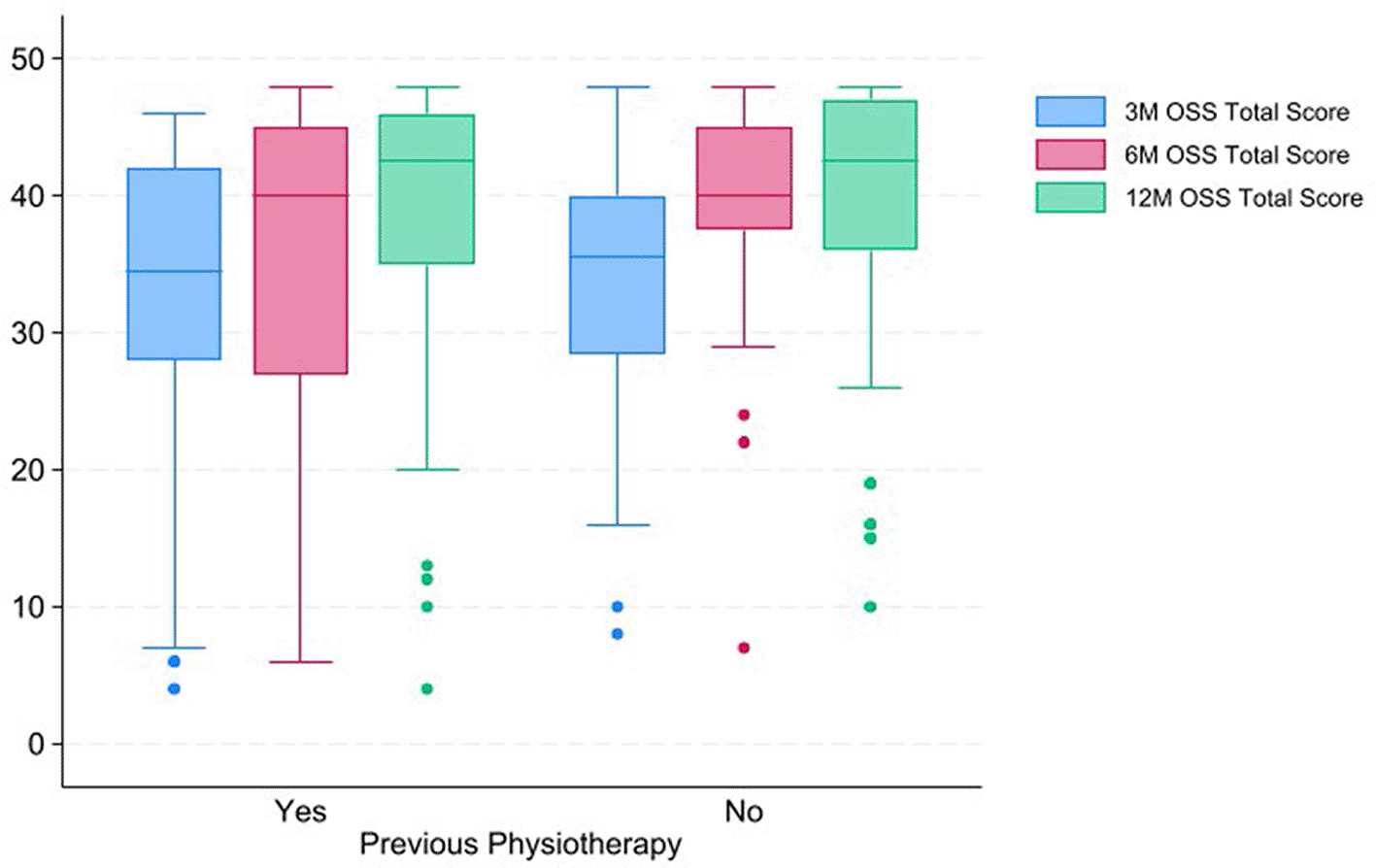
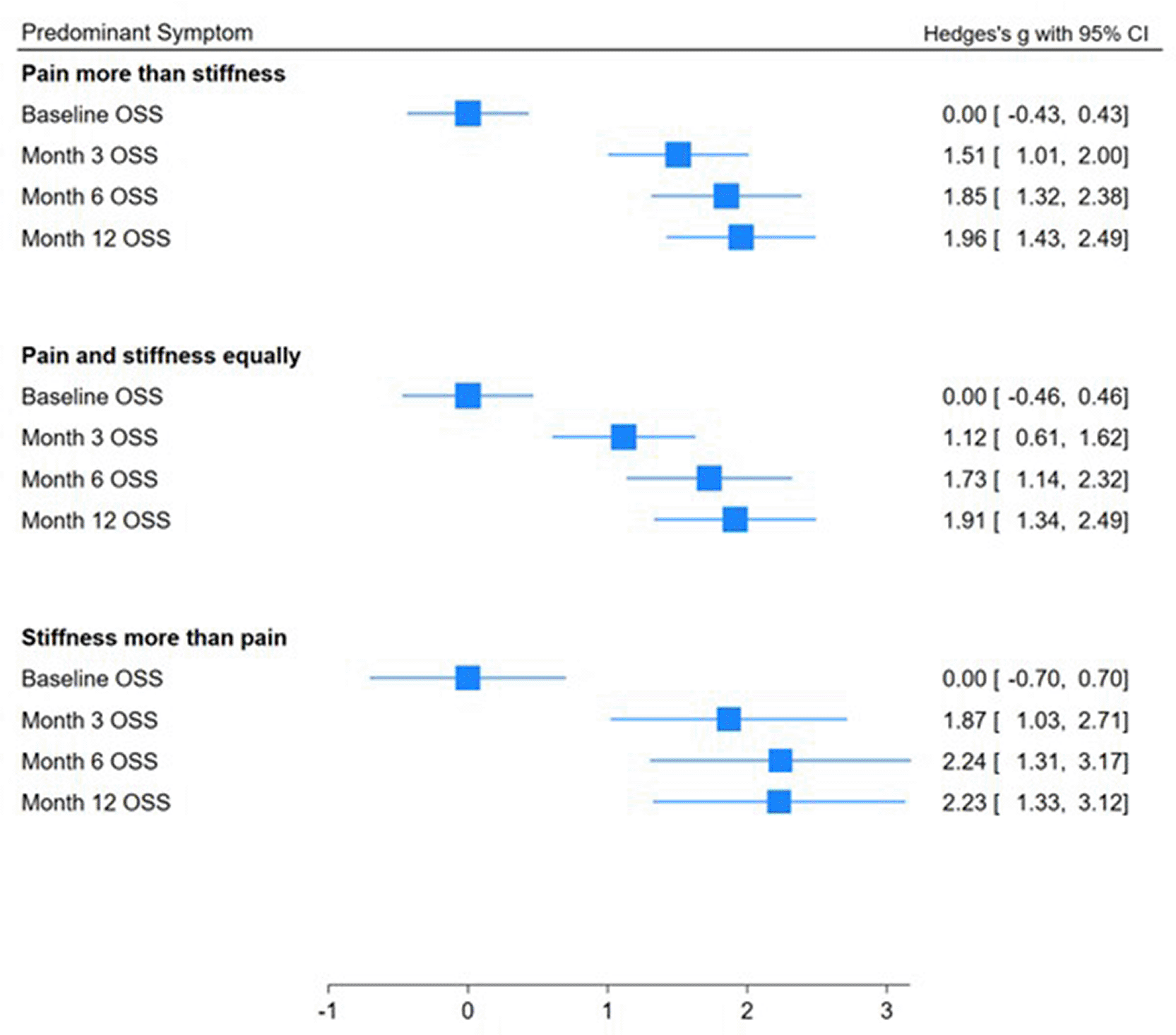
To determine the impact of prior physiotherapy on 12-month OSS, OSS across all three time points was compared between participants with and without prior physiotherapy. Finally, to show the differences between OSS scores and participant’s predominant symptoms during physiotherapy across different time points (0–12 months), frequencies, percentages, and a forest plot (Hedges’s g statistic) was used. The results were presented using tables, scatterplots, and box plots with error bars.
Between April 1, 2015, and Dec 31, 2017, 99 participants with an average age of 54.5 years (SD = 7.8; 39–77) were randomised to the ESP arm. Among the participants, 64.6% were females (35.4% males), 84.8% were White British and 30.3% were diabetic. Table 1 provides further baseline characteristics. The average duration of symptoms was 10.84 months (SD = 8.8) and was higher among diabetic participants [12.9 months (SD = 12.6)] compared to non-diabetic participants [9.97 (SD = 6.5)]. Most participants (59.6%; n = 59; 45 non-diabetic and 14 diabetic) did not have frozen shoulder in their dominant arm, and none were currently taking steroids. 80.8% (27 diabetic and 53 non-diabetic) of participants received steroid injections, with reasons for not receiving either being that the patient declined, were stiff but painless, non-irritable shoulder, or other unique reasons. More diabetic participants (90%) received steroid injections compared to non-diabetic participants (76.8%). A higher number of non-diabetic participants (44/99) had undergone physiotherapy before randomisation compared to the diabetic participants (15/99).
To explore the effectiveness of physiotherapy across participant characteristics, ESP completion rates and delivery were first assessed. Table 2 shows that 80.8% of participants completed the ESP sessions (i.e. had a minimum of eight sessions or less if the participant or physiotherapist were satisfied with participant progress) while 19.2% did not. Reasons for non-completion were either that participants were not satisfied with their progress, or they stopped attending the session with no reason stated, or another problem intervened. The ESP completion rates were similar between diabetic (83.3%) and non-diabetic (79.9%) participants. The average waiting time in days (time to treatment) for diabetic participants was [19.6 (SD = 17.29); 2–79; n = 28] compared to [20.5 (SD = 21.78); 0–140; n = 62)] for non-diabetics. The average number of attended sessions per participant was 7.6 (SD = 3.05; 0–15), with an average total duration of ESP sessions per participant in minutes [239.9 (SD = 161.83); 0–780)]. Overall, most participants and their physiotherapists (n = 56; 56.67%) were satisfied with their progress before discharge. Only nine participants were discharged due to using all their allocated ESP and five of whom the physiotherapist thought still needed further treatment. Satisfaction levels were similar between diabetic (n = 18; 60%) and non-diabetic participants (n = 38; 55.07%). 86.9% of treatment compliance was considered adequate by physiotherapists, and about 20.7% of participants required further treatment and 15% had more than one further treatment.
A total of 87.5% of participants received an injection and completed ESP with an average of 8.1 (SD = 3.5) ESP sessions attended. The mean difference in ESP sessions was statistically significant (p = 0.016) between those that did not receive an injection (n = 19) and those that did (n = 80) (5.6 [SEM = 1.2]); 95% CI = 3.1 to 8.2) vs (8.1 [SEM = 0.4]); 95% CI = 7.3 to 8.8).
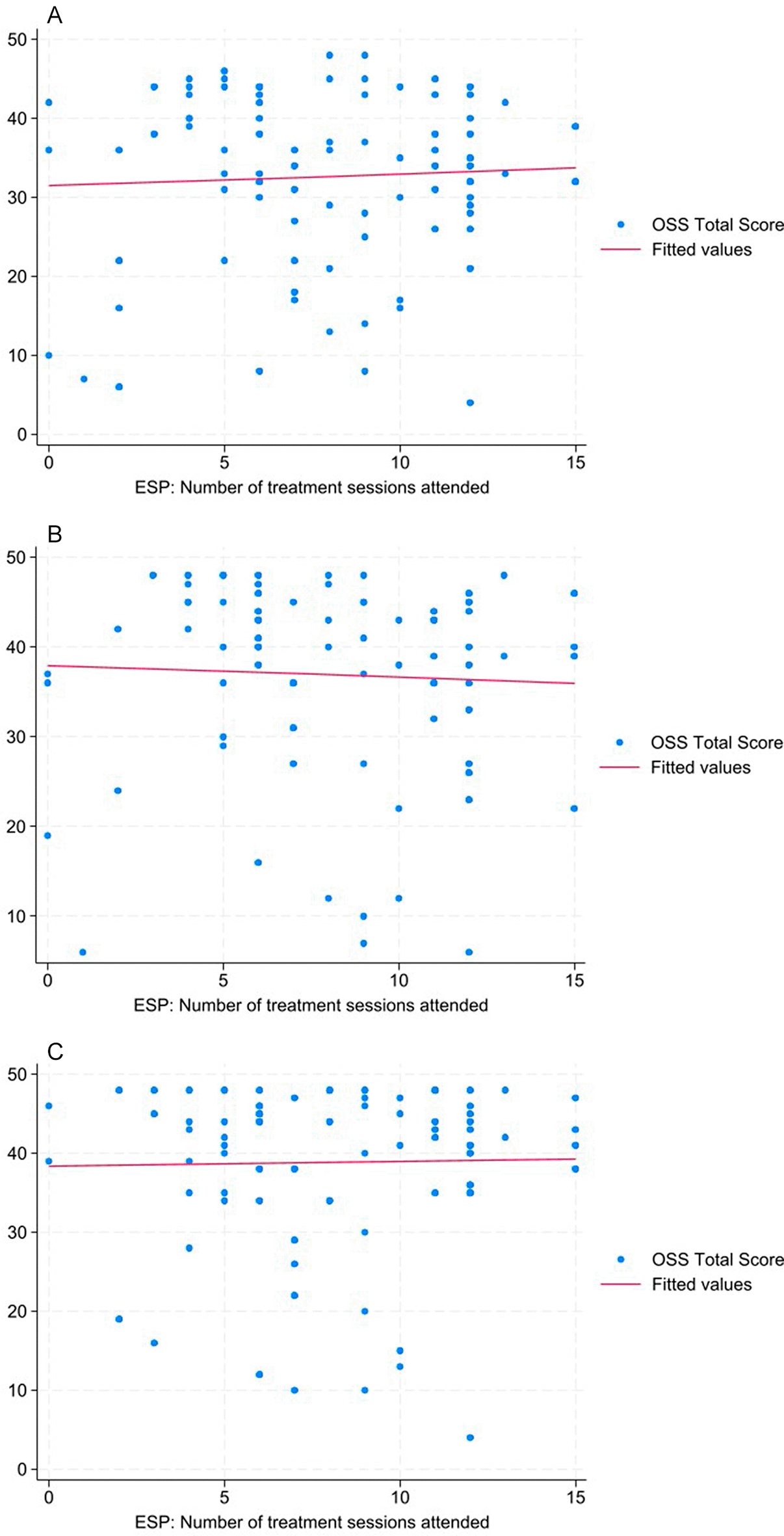
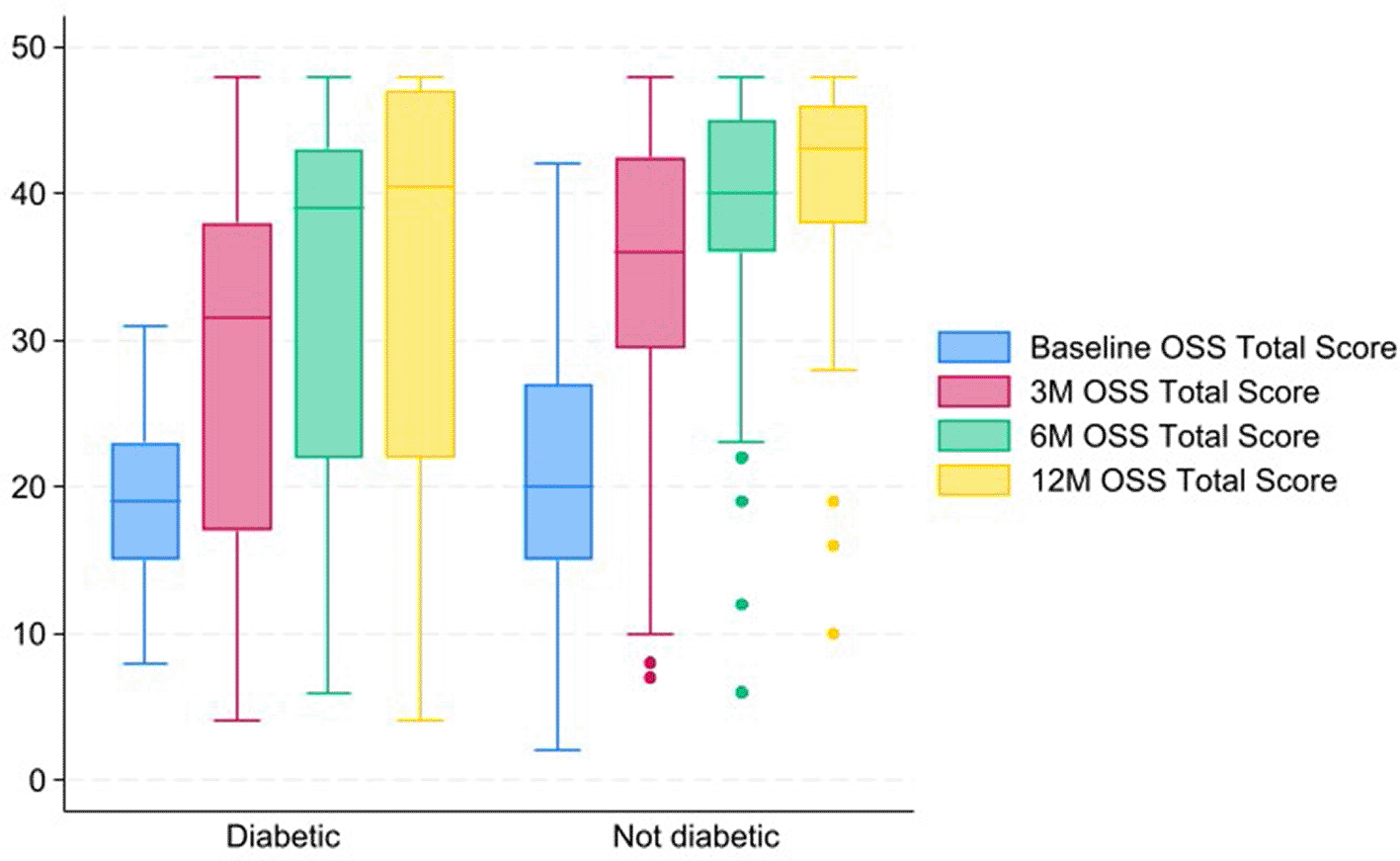
Next, the linear relationship between the number of ESP sessions and OSS across all timepoints was explored. There was no significant linear association between the number of ESP sessions attended and OSS at 12 months (Pearson’s r = 0.018, p = 0.87, n = 88); 6 months (Pearson’s r = 0.044, p = 0.7, n = 79); or at 3 months (Pearson’s r = 0.054, p = 0.62, n = 90) [ Figures 1a – 1c]. An unadjusted regression model indicated that for each additional ESP session, the 12-month OSS would only increase by about 0.054 (95% CI = −0.578 to 0.687), which was not statistically significant (p = 0.87). The R-squared (0.0003) value further suggests that the ESP sessions do not appropriately explain the variability in the scores. The model was then adjusted for confounding factors in a multivariate regression model as shown in Table 3. Overall, the model was statistically significant (p-value = 0.0028) suggesting that at least one of the variables was a significant predictor of the OSS at 12-months, and the r-squared value (0.2321) indicated moderate variance was explained by the model. The model revealed that diabetic status (coefficient = 6.01; p-value = 0.011; 95% CI = 1.445 to 10.578) and baseline OSS (coefficient = 0.411; p-value = 0.003; 95% CI = 0.149 to 0.674) were significant predictors of an increase in 12-month OSS (see figure 2 below). Figure 2 also shows how OSS scores improved over time.
| Predominant Symptom | N (%) |
|---|---|
| Pain more than stiffness | 41 (45.05) |
| Pain and stiffness equally | 35 (38.46) |
| Stiffness more than pain | 15 (16.48) |
To determine an “optimal” number of ESP sessions to improve outcomes, a ROC curve analysis was performed, with a pre-determined MCID of a 5-point improvement in OSS score from baseline. The results indicated poor discrimination power as the AUC values at 3 months (AUC = 0.5953), 6 months (AUC = 0.5414) and 12 months (AUC = 0.5935) [ Figures 4a – 4c] were below 0.6, suggesting that the model’s predictive ability was only slightly better than chance. The results showed that after about the 6th–8th session, the OSS scores during each time point started to worsen, depicted by the drop below the line of the curve. Figure 3 helps to illustrate the changes between OSS scores at baseline and at 12 months, when time from randomisation (i.e., waiting time to receive ESP) is considered. Overall, OSS scores are higher at 12-months when compared to baseline regardless of when they start ESP. Further multivariate analysis (W = 0.8; df = 5; p = 0.04) conducted to determine the influence of waiting time (time from randomisation), suggested that the OSS scores at baseline and 12 months differ by the time from randomisation; however, the OSS scores at 12-months were not different from one another (R2 = 0.05; p = 0.49).
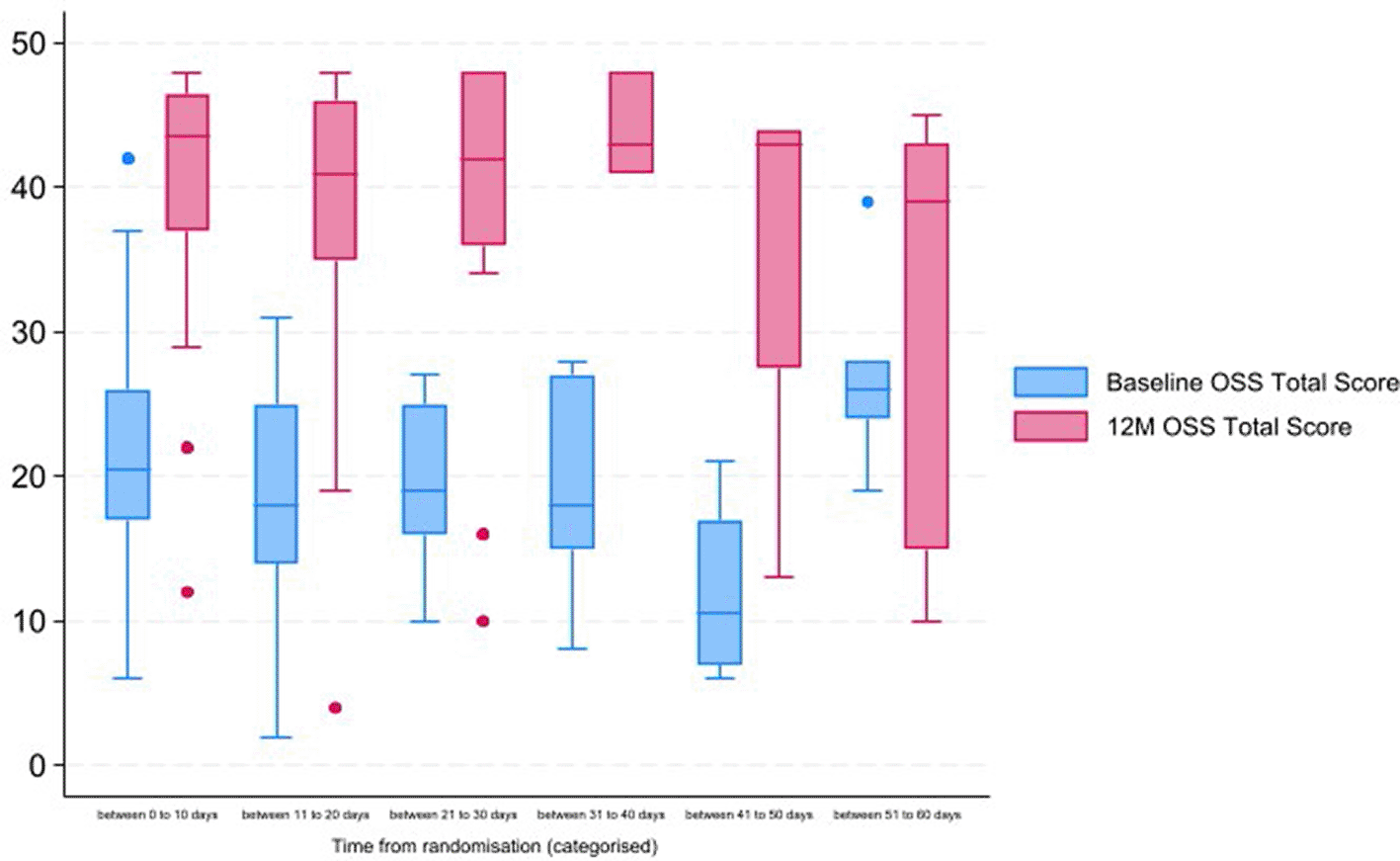
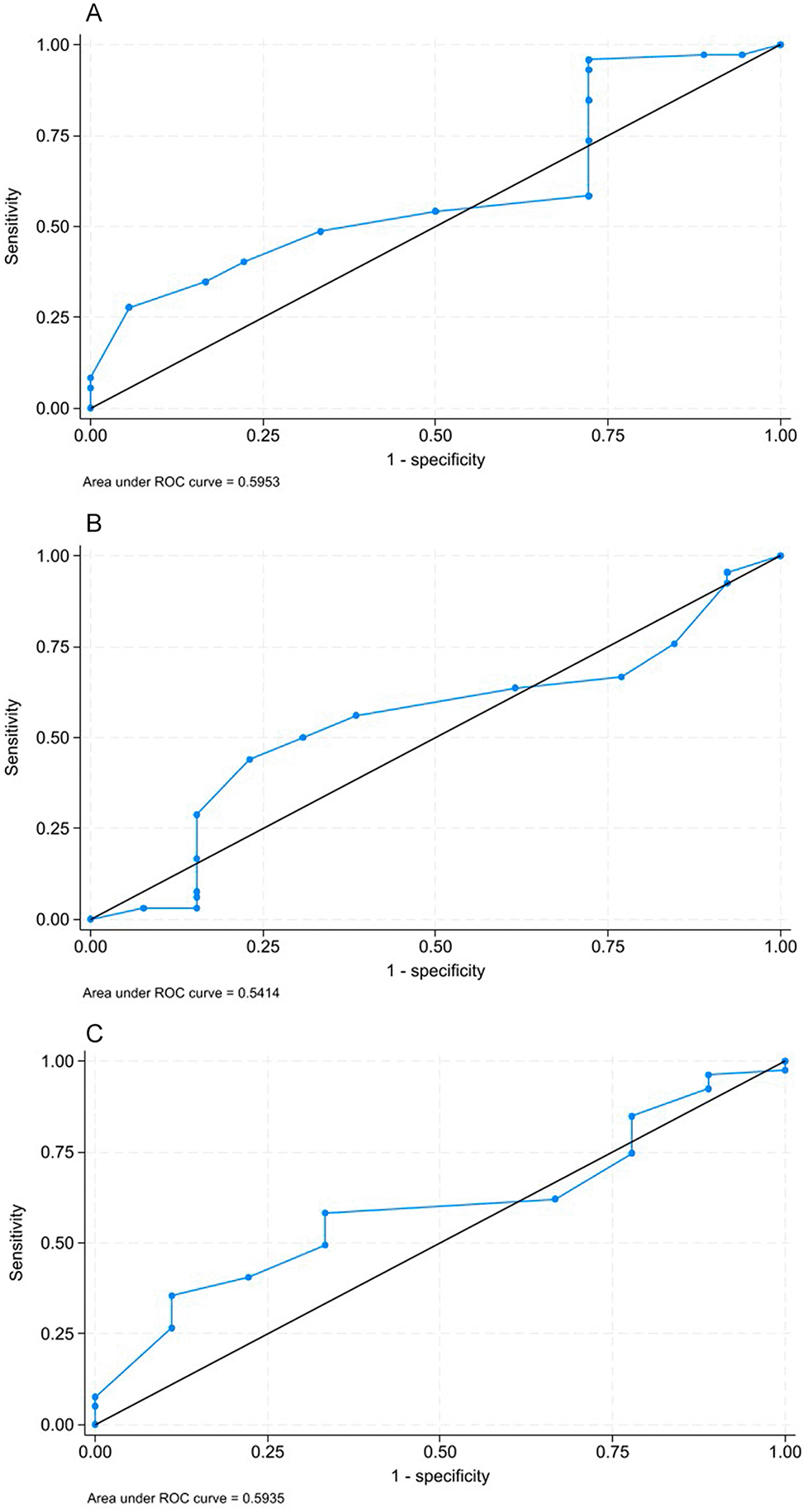
Figure 4 b: ROC analysis to determine if there was an optimal number of ESP sessions that improved 6 months OSS. Figure 4 c: ROC analysis to determine if there was an optimal number of ESP sessions that improved 12 months OSS.
Overall, there was a good level of adherence to home exercises, 65.66% of participants had a 100% adherence compared to 9.09% that did not adhere at all. Participants’ adherence to home exercises was assessed by diabetes status and steroid injection status (whether the patient received steroid injections or not). The 12-month OSS scores were compared between those with less than 70% adherence to home exercises (n = 12; M = 37.33; SE = 3.49; 95% CI [29.65, 44]) and those with greater than 70% adherence (n = 76; M = 39.09; SE = 1.18; 95% CI [36.74, 41.44]). The mean difference between the groups was −1.76 (SE = 3.27; 95% CI [−8.26, 4.75]) and p-value was 0.5922.
The 12-month OSS scores were compared between participants who received steroid injections (n = 75; M = 39.24; SE = 1.12; 95% CI [36.97, 41.51]) and those who did not (n = 13; M = 36.62; SE = 3.36; 95% CI [28.21, 45.02]). The mean difference between the groups was −2.63 (SE = 3.16; 95% CI [−8.9, 3.65]) and p-value was 0.408.
Some participants (59.3%) received physiotherapy prior to joining the study. Figure 5 illustrates that prior physiotherapy may not significantly impact study outcomes. The median value on the box plots consistently increases over time (from 3 months to 12 months), regardless of whether participants had prior physiotherapy.
During ESP treatment, participants exhibited varying predominant symptoms: 45.05% (n = 41) reported “pain more than stiffness”, 38.46% (n = 35) reported “pain and stiffness equally”, and 16.48% (n = 15) reported “stiffness more than pain”. Figure 6 illustrates that OSS scores increased consistently over time from baseline across all symptom categories and these differences were statistically significant between baseline and at each follow-up point. However, for those with “stiffness more than pain,” the OSS improvements were notable between baseline, 3 months (Hedge’s g = 1.87 (95% CI [1.03, 2.71]) and 6 months (Hedge’s g - 2.24 (95% CI [1.31, 3.17]), but less pronounced from 6 to 12 (Hedge’s g - 2.23 (95% CI [1.33, 3.12]) months.
Most participants completed the ESP program, which included receiving steroid injections, and attended an average of eight sessions. Participants who received steroid injections reported greater satisfaction with their progress, while symptom improvement patterns indicated alleviation of pain over time but limited progress in stiffness beyond six months.
There was no evidence of a linear association between the number of ESP sessions attended and OSS at any time-point. This suggests that simply increasing the number of ESP sessions may not directly lead to better patient outcomes. This could be due to the natural course of healing, where participants tend to improve over time regardless of the intervention,25 or it could reflect healthcare practitioners taking a personalised approach to the patient’s care. An ROC analysis aimed to identify an optimal number of ESP sessions for OSS improvement but revealed that the results were only marginally better than chance, suggesting that there was not a “target” number of ESP sessions to maximise patient outcomes. This also emphasises the potential need for personalised treatment approaches based on individual characteristics of patients. This is not to imply that ESP was not helpful; rather, the adaptability of the ESP program and the shared decision-making process between physiotherapists and participants might have been crucial in these individualised outcomes. Evidence from the Coach2Move Trial supports these findings, which concluded that personalised therapy, compared to usual care, significantly enhanced patient outcomes when they tailored physical therapy to meet individual needs and preferences.26
This study found that there was a statistically significant difference between those that did not receive an injection and those that did when their attendance to ESP sessions was compared. This suggests that those who had an injection may have been more likely to be able to comply with physiotherapy due to better pain management and hence went on to receive more physiotherapy sessions. Additionally, diabetic status and baseline OSS were significant predictors of OSS improvements at 12 months. Diabetic participants had a longer average duration of symptoms and were more likely to receive steroid injections. These findings suggest that diabetic individuals may have different treatment needs and responses compared to non-diabetic participants who are potentially more unwell due to other co-morbidities.27 Furthermore, the baseline OSS was higher in non-diabetic participants, indicating that initial severity of symptoms within the diabetic group could influence the treatment outcomes. The completion rate for ESP sessions was high among both diabetic and non-diabetic participants. Reasons for non-completion within the smaller group of participants included dissatisfaction with progress, unspecified issues, and ESP not started at all. The study also highlighted that the average waiting time for treatment and the number of attended sessions were similar between diabetic and non-diabetic participants. Additionally, the results indicated a good level of adherence to home exercises, with most participants achieving 100% adherence. However, there was no statistically significant difference in OSS scores at 12 months between participants with different levels of adherence. These findings highlight the complexity of treatment outcomes, suggesting that factors beyond adherence to home exercises and treatment compliance play a role in patient outcomes. Furthermore, despite the high level of treatment compliance, about 20.7% of participants required further treatments. This suggests that although the ESP program may have been generally effective in managing frozen shoulder symptoms, the personalised approach to individual needs in managing these symptoms is important to patient outcomes.26
A strength of this study is that a novel and bespoke intervention underpinned by evidence and expert consensus was evaluated in a rigorously designed randomised trial. By incorporating shared decision-making between physiotherapists and participants, the study reflects the variability in individual treatment responses and underscores the importance of personalised care. Therefore, encouraging a more pragmatic than prescriptive approach. This approach not only applies to the current study but could be valuable for future health and care research, ensuring that interventions and studies consider and apply shared decision-making where applicable.28 The longitudinal study design (i.e., outcomes at 3, 6, and 12 months), provides valuable insights into the long-term effectiveness of the ESP program.
Despite its strengths, this study has its limitations. While it provided a valuable opportunity to rigorously evaluate a bespoke physiotherapy package, implementing such an intervention within the NHS is unlikely to be feasible with the resources available. This aligns with challenges previously identified in integrating personalised care programs into large healthcare systems, emphasising the difficulties of communication across health systems and staff capacity.29 Additionally, the relatively small sample size may restrict the generalisability of the findings. Some data, such as adherence to home exercises and satisfaction with treatment, may be subject to self-reporting bias, where participants might overestimate their adherence or satisfaction to their physiotherapist. Finally, other unmeasured confounding variables, such as the participants’ overall health and lifestyle factors - especially within the diabetic cohort who may have co-morbidities - could influence the results.
There was substantial variation in participants’ shoulder and pain function over time with no significant association between participant-reported outcome and the number of sessions delivered. The evidence suggests that rather than there being an optimal target number of sessions, treatment plans should be tailored to the personal care of individual patients in shared decision-making with the physiotherapist.
Provide sufficient details of any financial or non-financial competing interests to enable users to assess whether your comments might lead a reasonable person to question your impartiality. Consider the following examples, but note that this is not an exhaustive list:
Sign up for content alerts and receive a weekly or monthly email with all newly published articles
Register with NIHR Open Research
Already registered? Sign in
If you are a previous or current NIHR award holder, sign up for information about developments, publishing and publications from NIHR Open Research.
We'll keep you updated on any major new updates to NIHR Open Research
The email address should be the one you originally registered with F1000.
You registered with F1000 via Google, so we cannot reset your password.
To sign in, please click here.
If you still need help with your Google account password, please click here.
You registered with F1000 via Facebook, so we cannot reset your password.
To sign in, please click here.
If you still need help with your Facebook account password, please click here.
If your email address is registered with us, we will email you instructions to reset your password.
If you think you should have received this email but it has not arrived, please check your spam filters and/or contact for further assistance.

Comments on this article Comments (0)