Keywords
COVID, Hospital admission, Surgery

COVID, Hospital admission, Surgery
 How to cite: Kariuki M, Reeves K, Remsing S et al. A time series analysis of pre- and post-pandemic monthly surgery trends in the English NHS [version 1; peer review: 2 approved with reservations]. NIHR Open Res 2026, 6:113 (https://doi.org/10.3310/nihropenres.14372.1)
First published: 04 Aug 2026, 6:113 (https://doi.org/10.3310/nihropenres.14372.1)
Latest published: 04 Aug 2026, 6:113 (https://doi.org/10.3310/nihropenres.14372.1)
How to cite: Kariuki M, Reeves K, Remsing S et al. A time series analysis of pre- and post-pandemic monthly surgery trends in the English NHS [version 1; peer review: 2 approved with reservations]. NIHR Open Res 2026, 6:113 (https://doi.org/10.3310/nihropenres.14372.1)
First published: 04 Aug 2026, 6:113 (https://doi.org/10.3310/nihropenres.14372.1)
Latest published: 04 Aug 2026, 6:113 (https://doi.org/10.3310/nihropenres.14372.1)
In our prior evaluation, we examined the effects of the COVID-19 lockdowns on surgical volumes across selected procedure categories within the NHS.1 Although all surgeries declined sharply, the steepest reduction was routine procedures such as hip replacements and inguinal hernia repairs. However, emergency operations held up relatively well. Coronary angioplasty for ST-Elevation Myocardial Infarction (STEMI) demonstrated notable resilience, likely due to the urgency of intervention. In contrast, appendectomies showed greater variability, perhaps reflecting more flexible clinical indications. Among urgent cancer and transplant procedures, those with the most complex care pathways were most severely affected, although a rapid rebound in activity was observed between pandemic peaks.
Building on our previous analysis of surgical disruption during the pandemic, this evaluation shifts focus to the post-pandemic recovery of NHS-funded operations, a less-explored but critical phase in understanding long-term service restoration. Specifically, we aim to assess changes in surgical volumes for selected procedures by comparing pre- and post-pandemic periods.
As stated in our previous evaluation, included surgeries were selected based on their degree of urgency, potential for benefit and complexity. Appendectomies and coronary angioplasty for STEMI were chosen to represent emergency procedures. Hip replacements and primary inguinal hernia repairs, served as common routine procedures of lower urgency. To assess differences in potential benefit and care complexity, we included cancer diagnoses with relatively straightforward pathways (breast mastectomies, lumpectomies and hemi-colectomies) and those requiring more complex pathways (pancreatectomies, hemi-hepatectomies, and oesophagectomies). We also included transplant surgeries due to the specific organisational demands they pose. In comparing renal transplants from living versus deceased donors, the former entails greater complexity, as it involves coordinating surgical procedures across multiple centres on the same day.
We hypothesise that the deviation in post-pandemic surgical activity, compared to pre-pandemic trends, will be more pronounced for routine than emergency surgeries; for cancers with complex treatment pathways compared to those with less complex pathways; and for renal transplants from living donors compared to those from deceased donors. We expect that the more complex procedures will catch up more slowly as the system struggles with hang-over effects from the pandemic.
No patients were involved in setting the research question or the outcome measures, nor were they involved in developing plans for recruitment, design or implementation of the study. No patients were asked to advise on interpretation or writing up of results. There are no plans to disseminate the results of the evaluation to the relevant patient community.
We conducted a retrospective analysis of routinely collected Hospital Episode Statistics (HES) data to examine differences in surgical activity before and after the COVID-19 pandemic. HES contains records of all NHS-funded emergency and elective admissions, outpatient appointments, and A&E attendances in England, including elective surgical operations undertaken in both NHS hospitals and independent sector facilities.
This paper follows STROBE guidelines for studies conducted using routinely collected healthcare data (Extended Data A).2
Study population and period
Our service evaluation included adult patients (aged ≥18 years) who underwent selected NHS-funded surgeries between 01-Jan-2015 and 31-Dec-2024, regardless of whether surgeries were performed in NHS hospitals or independent sector providers.
We defined the pre-pandemic period as 01-Jan-2015 to 29-Feb-2020, and the post-pandemic period from 01-Aug-2021. These timeframes are aligned with national COVID-19 lockdown dates.3 The pandemic period (01-Mar-2020 to 31-Jul-2021) was excluded from the main analysis.
Procedure identification and coding
As previously described, the surgical procedures examined in this analysis spanned four categories. Routine procedures included hip replacements and inguinal hernia repairs; although classified as elective, related emergency presentations were retained in the final dataset. Emergency procedures comprised appendectomies, restricted to urgent cases only, with elective and incidental procedures excluded, and coronary angioplasty for ST-Elevation Myocardial Infarction (STEMI). Cancer surgeries included right and left hemicolectomies (both laparoscopic and open), breast cancer surgeries (lumpectomies and mastectomies), oesophagectomies, pancreatectomies, and partial hepatectomies. Finally, renal transplants from both living and deceased donors were included to capture variation in procedural complexity and coordination requirements.
Procedures were identified using the Office of Population Censuses and Surveys Classification of Interventions and Procedures (OPCS-4.10), supplemented with the 5th edition of the International Classification of Diseases, 10th Revision (ICD-10) where diagnostic specificity was required. For example, appendectomies were identified using OPCS code H01 alone, whereas cancer surgeries such as hemicolectomies, were identified using relevant OPCS codes (H06, H07, H09) in combination with ICD-10 diagnosis codes (C18, C20) to ensure inclusion of cancer-specific cases. The complete set of OPCS-4.10 and ICD-10 5th edition code combinations, inclusion criteria, and the deduplication strategy is provided in Extended Data B.
Data extraction and initial validation were performed using SQL, with additional validation and cleaning conducted in R (v4.3.3) using RStudio (v2024.09.1+394).
Index procedure definition
We included only the index operation per patient within the study period, defined as the first recorded occurrence of each specific surgical procedure type. If a patient underwent multiple types of surgery (e.g., an appendectomy and a coronary angioplasty for STEMI), the first instance of each type was counted separately as an index operation. For example, if a patient received an emergency excision of abnormal appendix and drainage (H011) on 01-Jan-2022, followed by another appendectomy-related procedure (H012) on 01-Jan-2024, only the earlier procedure (H011) was retained as the index appendectomy. However, if the same patient also underwent a coronary angioplasty for STEMI during the study period, that procedure was captured independently as the index angioplasty.
For inguinal hernia repairs, OPCS codes T21.x (recurrent repairs) were retained if they appeared as the first recorded hernia repair for a patient. Although typically performed after a previous operation, 8.05% of T21.x cases had no prior hernia procedure captured during the study period. This finding, confirmed through deduplication checks in both SQL and R (Extended Data B: Figure A), likely reflects two scenarios: (1) the initial repair occurred before the study window began in January 2015; or (2) the recurrent status was assigned based on clinical notes, in line with coding guidance, even when no previous procedure was available in the dataset.
Covariates and exclusions
We extracted the following covariates: age at admission (years), sex, Index of Multiple Deprivation (IMD) quintile, length of hospital stay (LOS, days), 90-day mortality, and 90-day emergency readmissions. LOS was calculated from the admission date to the recorded discharge date. Ninety-day mortality was defined as death occurring within 90 days of the operation date, while emergency readmissions were defined as unplanned hospital admissions within 90 days of discharge.
Patients with missing or implausible data, such as missing age or sex, or admissions occurring after the recorded date of death, were excluded. This also applied to patients whose sex was recorded as ‘not known’ or ‘not specified’. We excluded ethnicity due to data quality concerns, particularly the increasing and inconsistent use of the ‘Other’ category over time. This misclassification may result in inaccurate representation and hinder reliable comparisons across ethnic groups.4
Pseudonymised, patient-level HES data were obtained from NHS England Digital. Access was restricted to the designated analyst within University Hospitals Birmingham. The data were used in accordance with the data sharing agreement with NHS Digital,5 and handled in line with the Caldicott Principles and the ethical standards of the Declaration of Helsinki. Data were cleaned using the inclusion criteria listed above and aggregated for reporting purposes. We suppressed small numbers and sensitive items to minimise disclosure risk.
We first summarised surgical activity descriptively to contextualise changes in procedure volumes across periods. To assess recovery in surgical volumes between the pre- and post-pandemic periods, we employed two complementary approaches: visual descriptive analysis and formal time-series modelling. Monthly counts from January 2015 to December 2024 were used to generate time-series plots for each procedure, distinguishing pre- and post-pandemic periods, with the pandemic interval (March 2020–July 2021) shaded in grey.
Simple linear trend lines, fitted using ordinary least squares regression, were included to illustrate directional changes within each period.
To estimate trends formally, we compared several time-series models, including linear regression, ARIMA with first-order autoregressive terms [AR(1)], Poisson AR(1), and negative binomial AR(1), all adjusted for seasonality using month fixed effects. Poisson models were applied to procedures with low counts, while negative binomial models addressed overdispersion. Although the results were broadly consistent across models (Extended Data C, Table G), residual diagnostics and Ljung–Box tests indicated that ARIMA models with AR(1) terms provided the best fit and were therefore selected as the primary analytical approach (Extended Data C, Tables H and I).
For hip replacements, inguinal hernia repairs, breast mastectomies and lumpectomies, and right and left hemi-colectomies, persistent residual autocorrelation (Ljung–Box p < 0.05) and curved spectral densities warranted the use of higher-order ARIMA models with AR(3) terms. Comparative diagnostics for AR(3), AR(2), and AR(1) specifications are provided in Extended Data C (Tables J-L).
Supporting descriptive analyses, including summary statistics and proportions, are presented in Extended Data D. These include total procedure counts, proportions of all operations during the pre- and post-pandemic periods, and monthly averages (calculated by dividing counts by the number of months in each period) to enable standardised comparisons over time. Additional summaries report totals and percentages by surgical category (emergency, routine, and complex cancer), disaggregated by sex, Index of Multiple Deprivation (IMD) quintile, 90-day mortality, and 90-day emergency readmission. For continuous variables such as age at admission and length of stay (LOS), median values are reported. Percentage differences between the pre- and post-pandemic periods are also shown by surgical category. Statistical testing for proportions was not undertaken due to the absence of reliable population-at-risk denominators.
All analyses were performed in R (v4.3.3) using RStudio (v2024.09.1+394).
We summarise our data in Table 1, which presents the total number of operations and the corresponding monthly mean for each period in the first two rows. The monthly mean was calculated by dividing the total number of operations by the number of months in each period (62 months pre-pandemic, 41 months post-pandemic). An overall monthly mean was also computed across the full 103-month study period to support standardised comparisons. Further, for each surgical category, the table shows the number of operations and their percentage contribution to the total during the pre-pandemic, post-pandemic, and overall periods.
Across the entire study period, over 1.7 million operations were recorded, with approximately two-thirds occurring before the pandemic. Routine surgeries accounted for the largest share of procedures in both periods, with inguinal hernia repairs and hip replacements together comprising over 60% of all operations. Emergency procedures, such as appendectomies and coronary angioplasty for STEMI, maintained a relatively stable share across time.
In contrast, cancer-related surgeries and renal transplants formed a smaller but clinically significant proportion of activity, with some increases in transplant volumes observed post-pandemic. Despite shifts in volume, the overall distribution of surgical activity by type remained broadly consistent before and after the pandemic, suggesting that while throughput declined, the procedural mix was largely preserved.
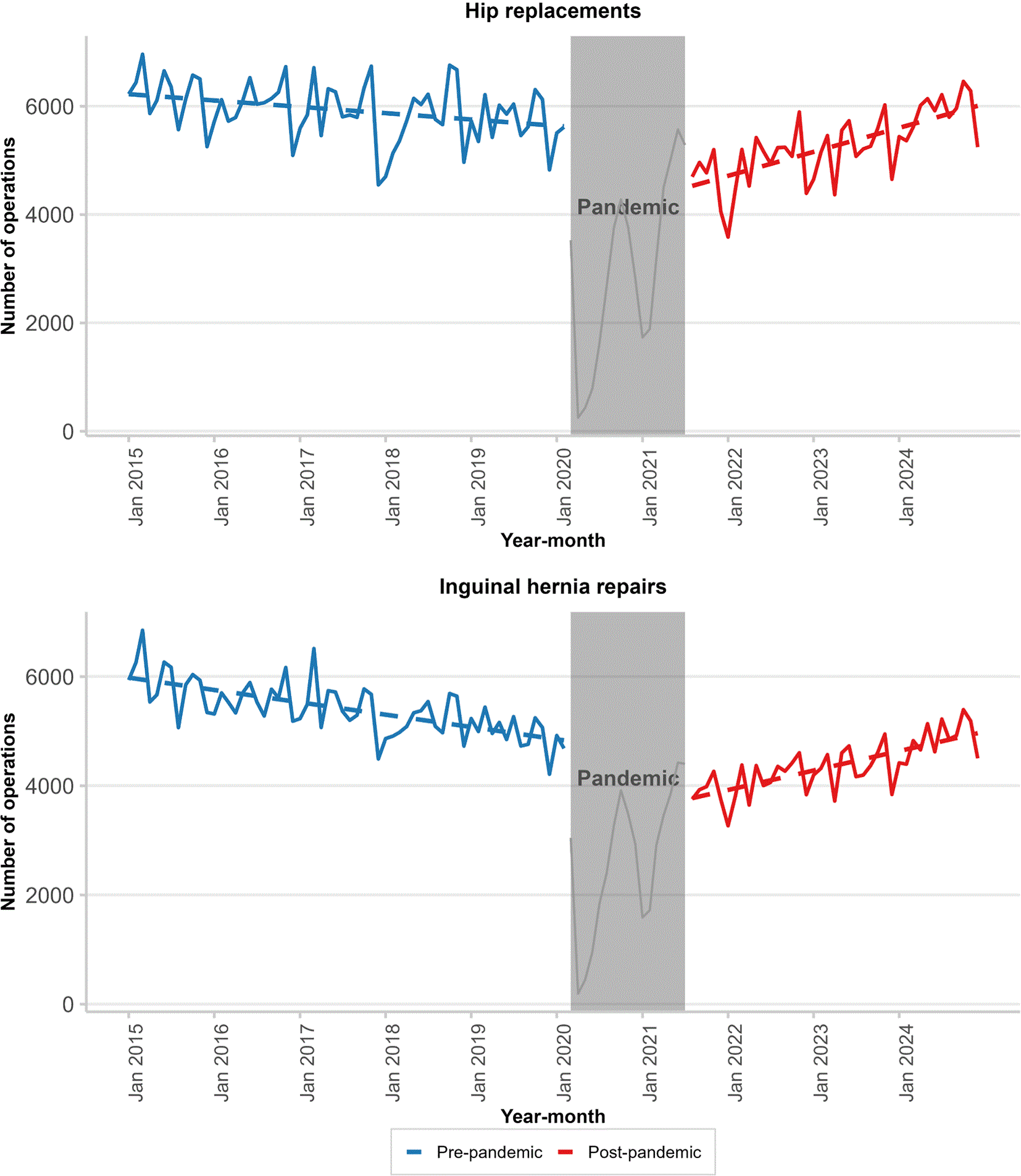
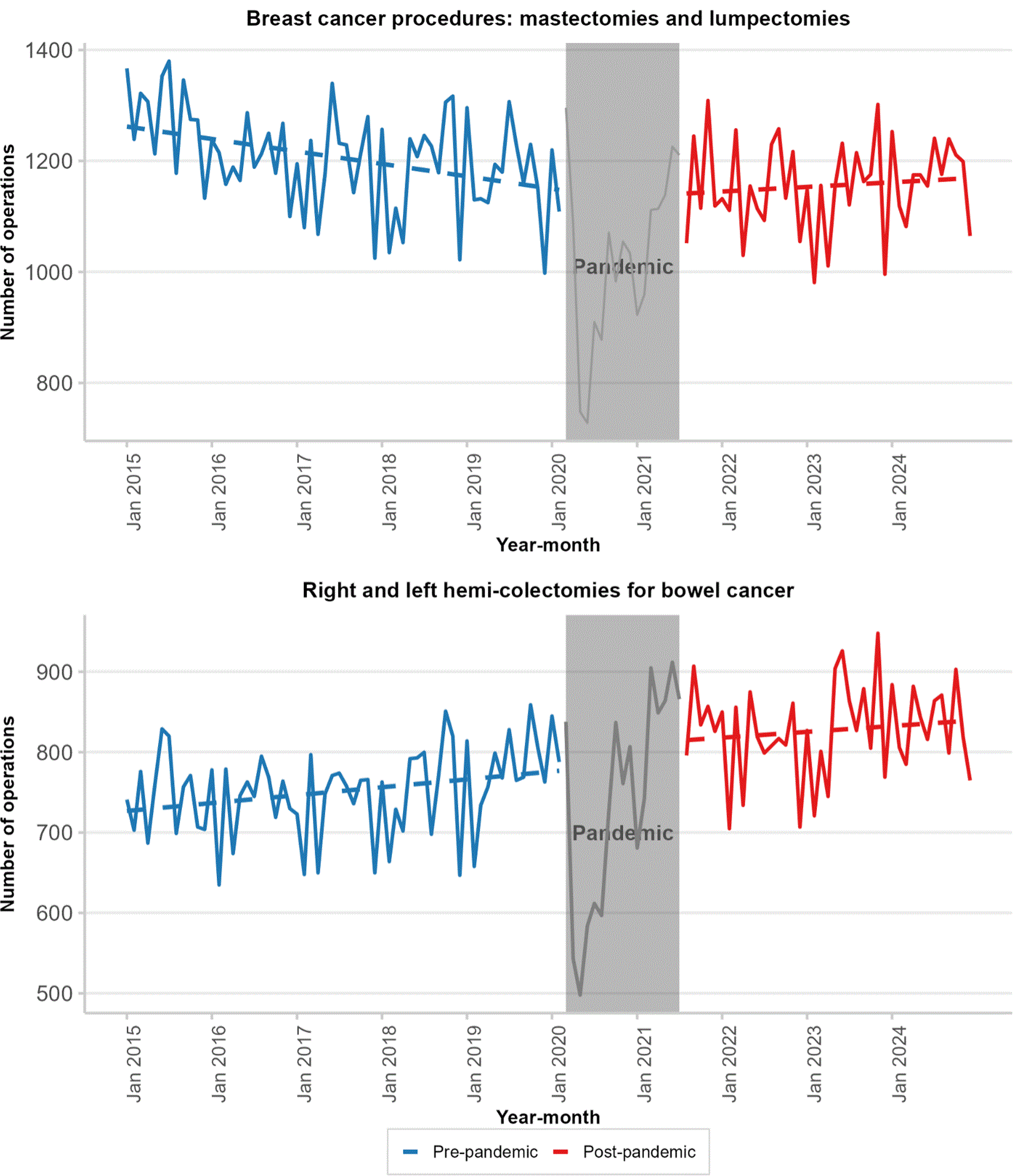
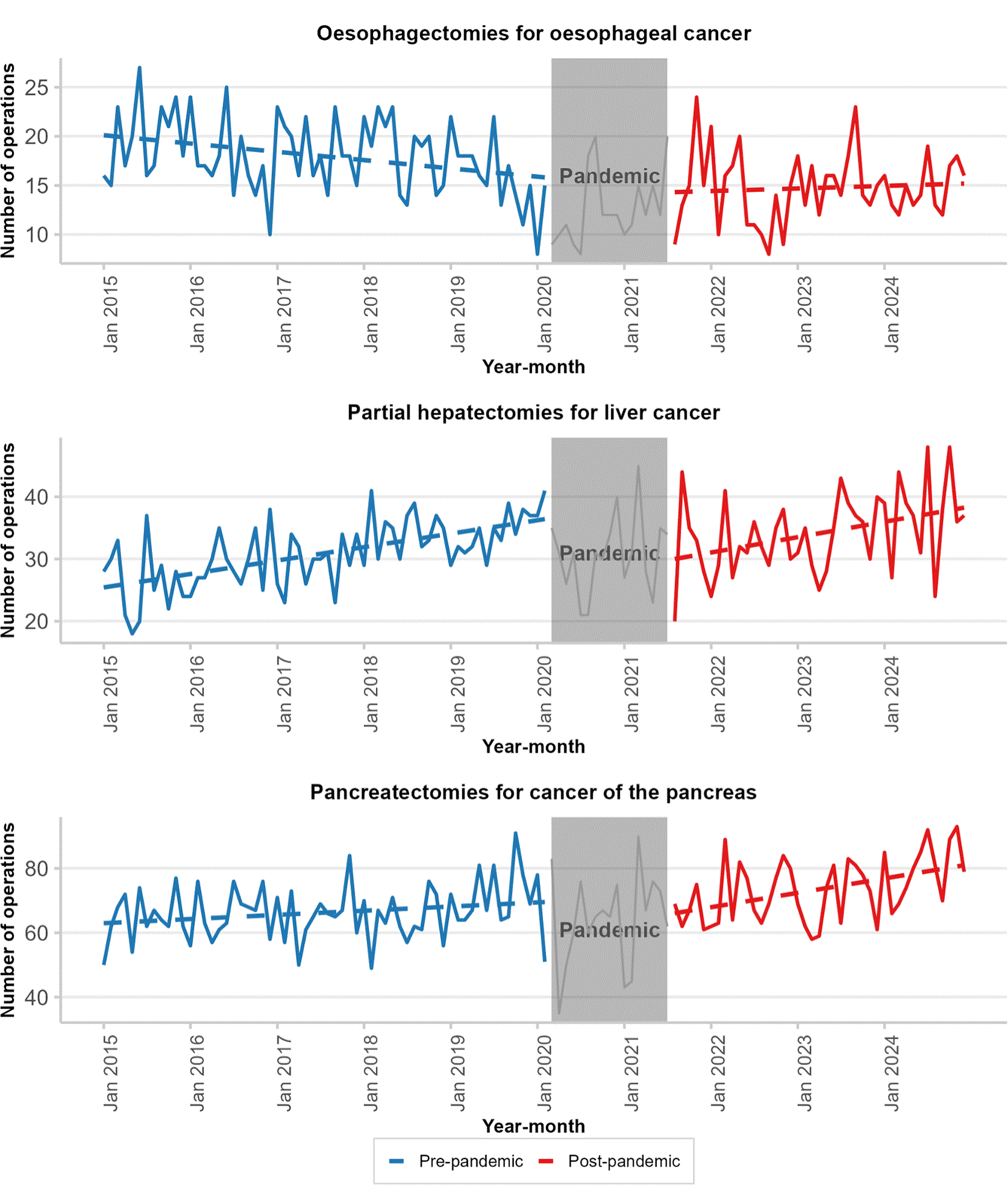
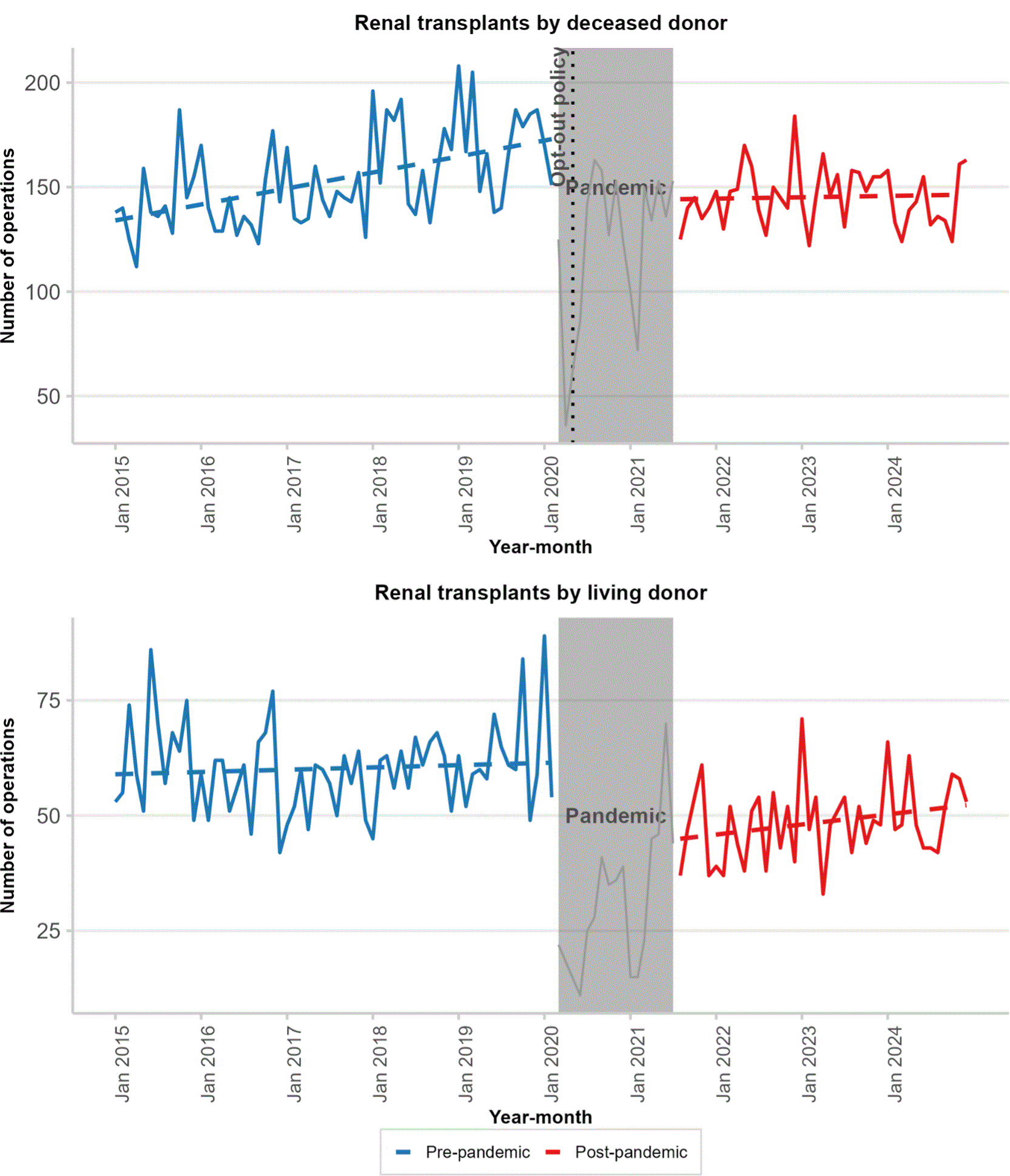
Figures 1-5 present monthly procedure volumes, visual trends, and corresponding ARIMA-based slope estimates for each surgical category. Pre- and post-pandemic slopes are interpreted as the average monthly change in procedure counts, indicating whether activity increased or declined over time. The slope difference indicates the extent and direction of change between the pre- and post-pandemic periods. Additional statistical outputs, including detailed parameter estimates and diagnostic checks, are provided in Extended Data C.
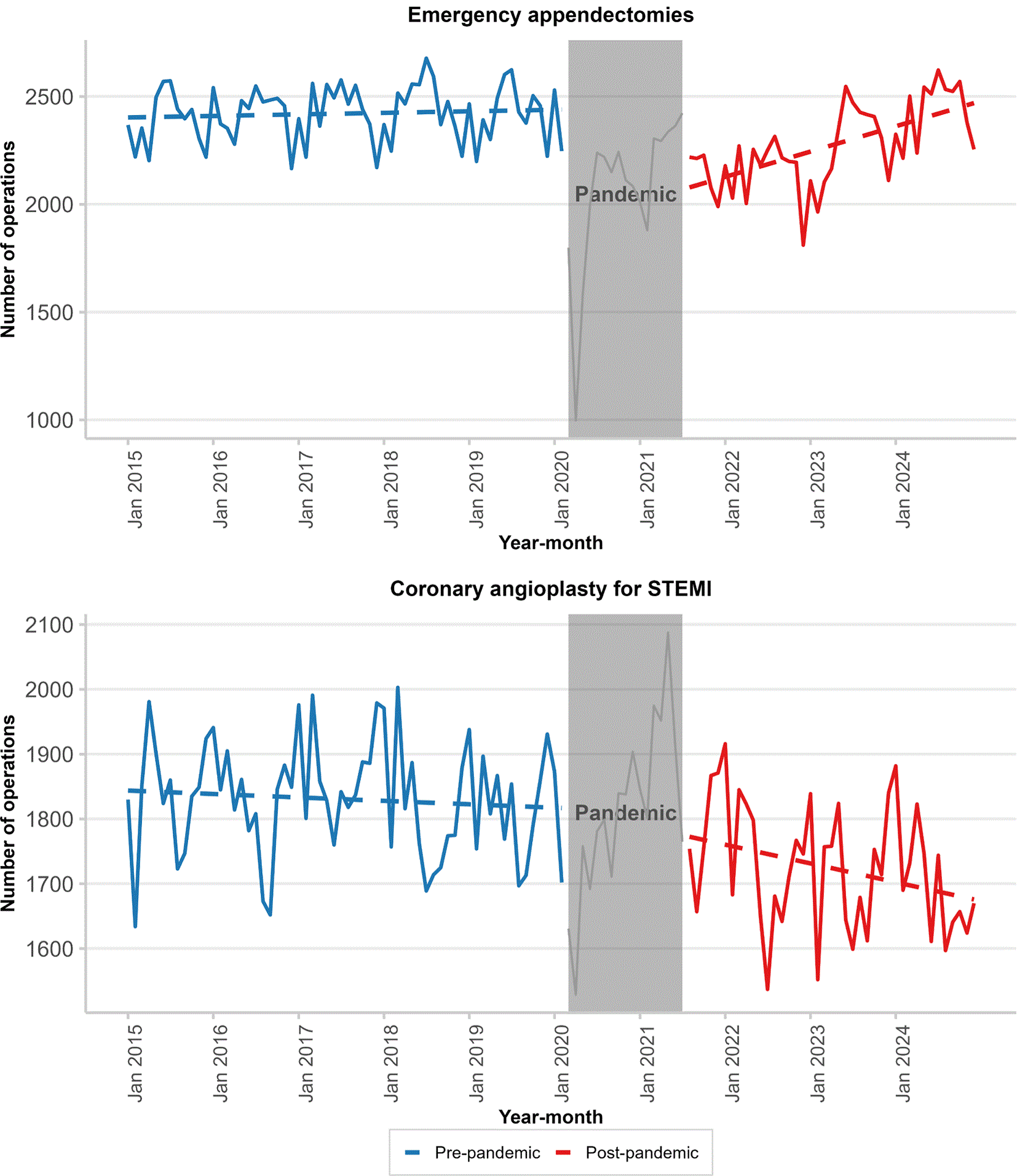
Emergency surgery activity showed contrasting post-pandemic trends ( Figure 1). Appendectomy volumes rebounded strongly in the post-pandemic period, returning to their pre-pandemic levels. We found on average, procedures increased by 8.69 per month (95% CI 6.04 to 11.34), reflecting a sustained upward trajectory. In contrast coronary angioplasty for STEMI declined steadily before the pandemic, with the rate of reduction accelerating thereafter (-2.35 procedures per month; 95% CI -4.35 to -0.36), suggesting possible epidemiological and system-related shifts.
Hip replacements and inguinal hernia repairs – representing high-volume, low-complexity procedures – showed remarkable recovery, reversing pre-pandemic declines and now exceeding pre-pandemic levels ( Figure 2). On average, hip replacements increased by 46.6 procedures per month (95% CI 34.87-58.33), and inguinal hernia repairs by 48.89 procedures per month (95% CI 39.62-58.16). We observed contrasting trends among cancer procedures with relatively less complex care pathways ( Figure 3). In the post-pandemic period, mastectomy and lumpectomy volumes appeared broadly static at pre-pandemic levels.
However, ARIMA estimates indicated a modest but significant monthly increase of 2.86 procedures (95% CI 0.68-5.03), with a difference in slopes of 4.82 (95% CI 2.42-7.22) compared with the pre-pandemic period. This means that although visual inspection suggests volumes have stagnated at their pre-pandemic level, the statistical model detects a small but consistent upward trend in breast cancer surgery activity. The reverse pattern was observed for bowel resections, which continued to rise visually, consistent with their pre-pandemic trajectory. However, the statistical model estimated a post-pandemic slope of -0.25 (95% CI -1.74 to 1.24) and a negative difference in slopes, indicating that growth has slowed relative to the pre-pandemic period.
Figure 4 illustrates varying post-pandemic trajectories among cancer procedures with more complex care pathways. Oesophagectomy volumes, which had been gradually declining before the pandemic, have since stabilised at lower levels. In contrast, hepatectomies and pancreatectomies have broadly maintained their long-term upward trend.
Renal transplant activity remains below pre-pandemic levels ( Figure 5). For transplants from deceased donors, this downward shift remains despite the introduction of the opt-out organ donation policy in May 2020, suggesting that broader systemic constraints may be limiting recovery. In contrast, living-donor transplants show early signs of renewed activity.
Data show a general but slow recovery in the number of operations during the post-pandemic period across our sample. In each case, the operation most severely affected during the pandemic increased relative to those less affected. A rather exceptional case is coronary angioplasty for STEMI, where operation rates increased during the pandemic against a long-term decline over both the pre- and post-pandemic periods. Routine procedures, both hip replacements and inguinal hernia repairs, have gradually ‘recovered’ to their immediate pre-pandemic levels. However, recovery has not been sufficient to clear the backlog, despite ongoing demand and targeted policy efforts to eliminate waits over 52 weeks by March 2025.6 The number of patients waiting more than 52 weeks rose sharply from 1,467 in December 2019 to 436,127 in March 2021. By February 2025, this had fallen to 193,516, but remained far from the recovery target set by policymakers.
Less complex cancer surgeries displayed uneven recovery trajectories. Breast cancer related procedures volumes have steadily increased post-pandemic, suggesting a rebound in breast cancer diagnostic and surgical services. In contrast, right and left hemi-colectomies for bowel cancer showed no meaningful change in monthly trends post-pandemic, with volumes plateauing close to pre-pandemic levels. This points to stable service provision and likely reflects the clinical and service importance of cancer surgeries.7 Complex cancer procedures showed varied trends. Partial pancreatectomies continued to rise, while partial hepatectomies remained relatively stable. Oesophagectomy volumes, which had been declining before the pandemic (likely due to changing epidemiology), have since levelled off.
The data may be interpreted as follows:
1. In two cases (acute coronary angioplasty and oesophagectomy), post-pandemic declines continued pre-pandemic trends, likely driven by the epidemiology.
2. For cancer (save oesophageal cancer), there was little or no perturbation across pre-and post-pandemic periods, suggesting that the service prioritised cancer care.
3. Elective procedures took more of a ‘hit’ but have gradually increased to match, or slightly exceed, pre-pandemic levels (reaching the 2015 levels in the case of hip replacement, but not hernia repair). Since these have different assigned NHS priorities (level 3 and 4 respectively), this again suggests some prioritisation by need.
4. Renal transplantation rates were most severely affected among operation types in the immediate post-pandemic period and have recovered slowly, especially in the case of deceased donor operations where availability of organs may have been a limiting factor.
The findings align with our prior hypothesis that recovery would be uneven across surgical categories. They also underscore the need to distinguish between procedural complexity, urgency, and clinical priority when interpreting trends, as well as the underlying epidemiology.
Our findings can be interpreted as showing that, while the NHS has been able to recover, this has taken place gradually over four years, and there has been a ‘hang-over effect’. As recently argued in The Economist, the backlog in the health service is emblematic of broader system inertia in post-pandemic Britain, with parallels seen in delayed driving tests, rising school absence rates, and even in the criminal justice system’s case backlog.8 Analogies have been drawn to Britain’s sluggish recovery from World War II, where the last vestiges of rationing did not disappear until 1955.8 Unlike other nations with shorter lockdown durations and lower COVID-19 death tolls, the UK endured a protracted ‘stay at home’ order (120 days) and remains slower to recover.8,9
It is important to note that post-pandemic recovery was further hindered by industrial action from doctors and nursing unions over pay and working conditions. These strikes led to widespread walkouts, significantly disrupting both inpatient and outpatient service.10 While the impact on inpatient care was comparatively less severe, it remained substantial, and the sharp reduction in outpatient appointments likely contributed to delays in many inpatient treatment episodes.
The government has made efforts to address these issues by increasing NHS staffing,11,12 and introducing High Volume Low Complexity (HVLC) hubs to streamline targeted procedures and boost throughput.13 Yet, our findings suggest that the NHS is still not functioning at its full capacity. Targets and fines do not seem to be the answer in almost all cases above, volumes were falling before COVID and while the incentivised targets on surgical waiting times were still in place.7,14 Maybe the time has come for a less strident, more emotionally intelligent form of leadership one that empowers local services in the manner thought to have transformed the US Veteran’s Administration Hospitals under Kenneth Kizer’s leadership.15
This study provides a national overview of surgical activity using a large dataset of over 1.7 million operations performed between January 2015 and December 2024. A key strength lies in the use of statistical time series modelling; this provided a more robust assessment of trends than visual inspection alone. By formally estimating monthly trends and confidence intervals, we distinguished true shifts in surgical activity from random variation. Using a nine-year timeframe and national scope, also provided a broad perspective across diverse surgical types and patient groups.
This study also has limitations. Our analysis focused on selected high-volume or high-priority procedures, so findings may not be generalisable to all surgeries. Also, we did not adjust for case mix, including patient complexity, clinical severity, surgical approach, or trust-level differences, meaning observed trends may reflect variations in risk profiles or service delivery. We also did not distinguish between NHS and Independent Sector procedures; however, this is addressed in our recent publication comparing trends by provider type and surgical priority.16 While ARIMA modelling captures temporal patterns, it does not account for wider system factors such as structural changes or workforce pressures, and statistical power may have been limited for some procedures, particularly complex cancer surgeries with small monthly counts. The analysis was limited to England, and sociodemographic factors were explored descriptively, limiting causal interpretation.
Surgical activity in England has shown signs of recovery, but progress remains slow, uneven, and insufficient to address pandemic-related backlogs. These findings highlight the complex interplay between procedural type, system capacity, and broader organisational challenges that continue to shape recovery trajectories. Addressing these gaps will require not only technical solutions, such as workforce expansion and targeted surgical hubs, but also leadership that fosters resilience, empowers local services, and supports long-term system transformation.
This project was a service evaluation using pseudo-anonymised data, so consent from patients was not required. Ethics approval was not required for this work, which was confirmed by the University of Birmingham Research Ethics team. The evaluation was registered with the local Clinical Audit Department under the Clinical Audit Registration and Management System (CARMS) number 16961.
Provide sufficient details of any financial or non-financial competing interests to enable users to assess whether your comments might lead a reasonable person to question your impartiality. Consider the following examples, but note that this is not an exhaustive list:
Sign up for content alerts and receive a weekly or monthly email with all newly published articles
Register with NIHR Open Research
Already registered? Sign in
If you are a previous or current NIHR award holder, sign up for information about developments, publishing and publications from NIHR Open Research.
We'll keep you updated on any major new updates to NIHR Open Research
The email address should be the one you originally registered with F1000.
You registered with F1000 via Google, so we cannot reset your password.
To sign in, please click here.
If you still need help with your Google account password, please click here.
You registered with F1000 via Facebook, so we cannot reset your password.
To sign in, please click here.
If you still need help with your Facebook account password, please click here.
If your email address is registered with us, we will email you instructions to reset your password.
If you think you should have received this email but it has not arrived, please check your spam filters and/or contact for further assistance.

Comments on this article Comments (0)