Keywords
Mapping, Stakeholders, vaccination, Kenya, Uganda

This article is included in the Policy Research Programme gateway.
Mapping, Stakeholders, vaccination, Kenya, Uganda
Effective stakeholder mapping and analysis are important for preparing for policy and practice impact (Shaxson, 2016), generating knowledge about stakeholders to understand their interests, influence and behaviour (Brugha & Varvasovszky, 2000) and in enhancing success of vaccine programmes (Dwivedi, 2021; Gobat et al., 2025). Even where project proposals seem to clearly demonstrate pathways to impact, not all of them include a stakeholder analysis which is a map of how well different stakeholders are aligned with the project, their level of interest and degree of influence with regard to a particular issue (Shaxson, 2016).
We conducted a stakeholder mapping and network analysis to identify, understand and profile the individuals, groups and organizations who influence the vaccination landscape in Kenya and Uganda, their roles and responsibilities, interests, power dynamics, and potential impact on vaccination programmes. We also assessed their interests, their roles and level of commitment, and how the different stakeholders within the health system and the wider community interact. This helped the VAnguard team devise strategies to effectively engage, manage and monitor the different stakeholders during the study.
Administratively, the public healthcare system in Kenya is structured to provide a comprehensive range of services through a tiered format that ensures accessibility for all citizens. At the national level, the Ministry of Health is responsible for formulating health policies and overseeing the entire healthcare system (Mugo et al., 2018). Healthcare is administered via a combination of national, county and sub-county facilities, all working together to improve public health outcomes. At the county level, the 47 counties are mandated to establish a formal healthcare system and county hospitals serve as access points for maternal and child health and emergency care, and chronic diseases management (Ogutu et al., 2023). Further, healthcare at the national and county levels is organized into four levels, starting with the community health services, which is level 1, primary health services which is level 2, county referral health services, which is level 3 and national referral health services, which is level 4 (Masaba et al., 2020). ( Figure 1).
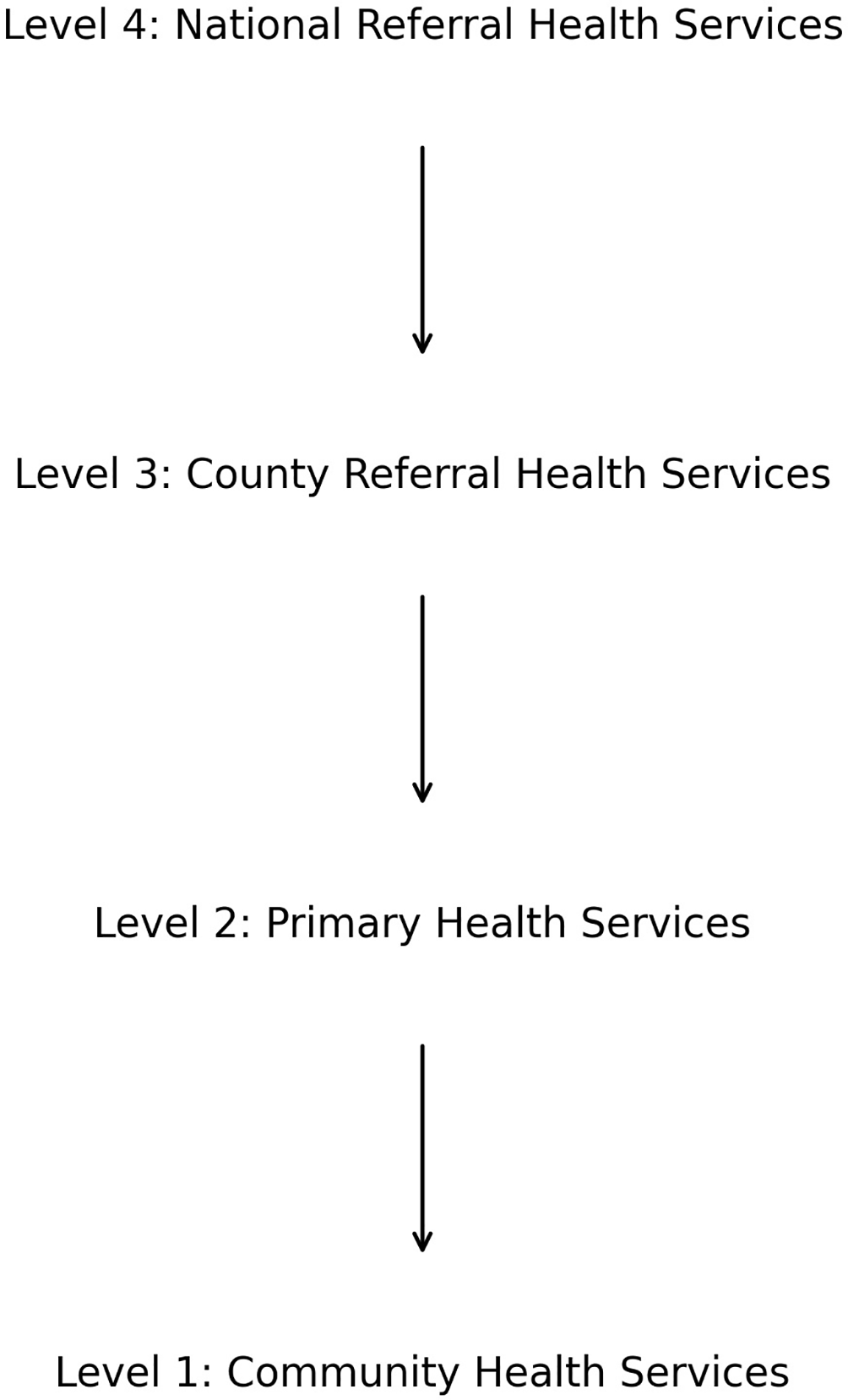
This figure illustrates the four-level tiered administrative structure of the public healthcare system in Kenya. It highlights the progression from Level 1 (Community Health Services) to Level 4 (National Referral Health Services), overseen at the national level by the Ministry of Health and administered across the 47 counties to ensure comprehensive healthcare access. Source: Ogutu et al., 2023.
Similarly, Uganda’s public health structure is tiered and plays a major role in providing Primary Health Care (PHC) services. At the national level, the Ministry of Health undertakes policy development and review, supervision of health sector activities, strategic planning, resource mobilization, and quality assurance, among others. The national health system consists of national referral hospitals (NRHs), regional referral hospitals (RRHs) and the district health system. Regional Referral Hospitals conduct immunization, co-ordinate Integrated Disease Surveillance and Response (IDSR), support supervision, monitoring and evaluation, cold chain maintenance, and capacity building of other stakeholders in the region. Districts, managed by the Ministry of Local Government are sub divided into health sub districts with District General Hospitals, Health Centres IV, III, and II, and Village Health Teams. Services at each level are specified in the Uganda National Minimum Health Care Package (UNMHCP) (Ssengooba et al., 2017). Uganda has 135 districts and 11 cities (Turyamureba et al., 2023). At the community level, health centres (HCs) deliver essential health services such as immunization ( Figure 2).
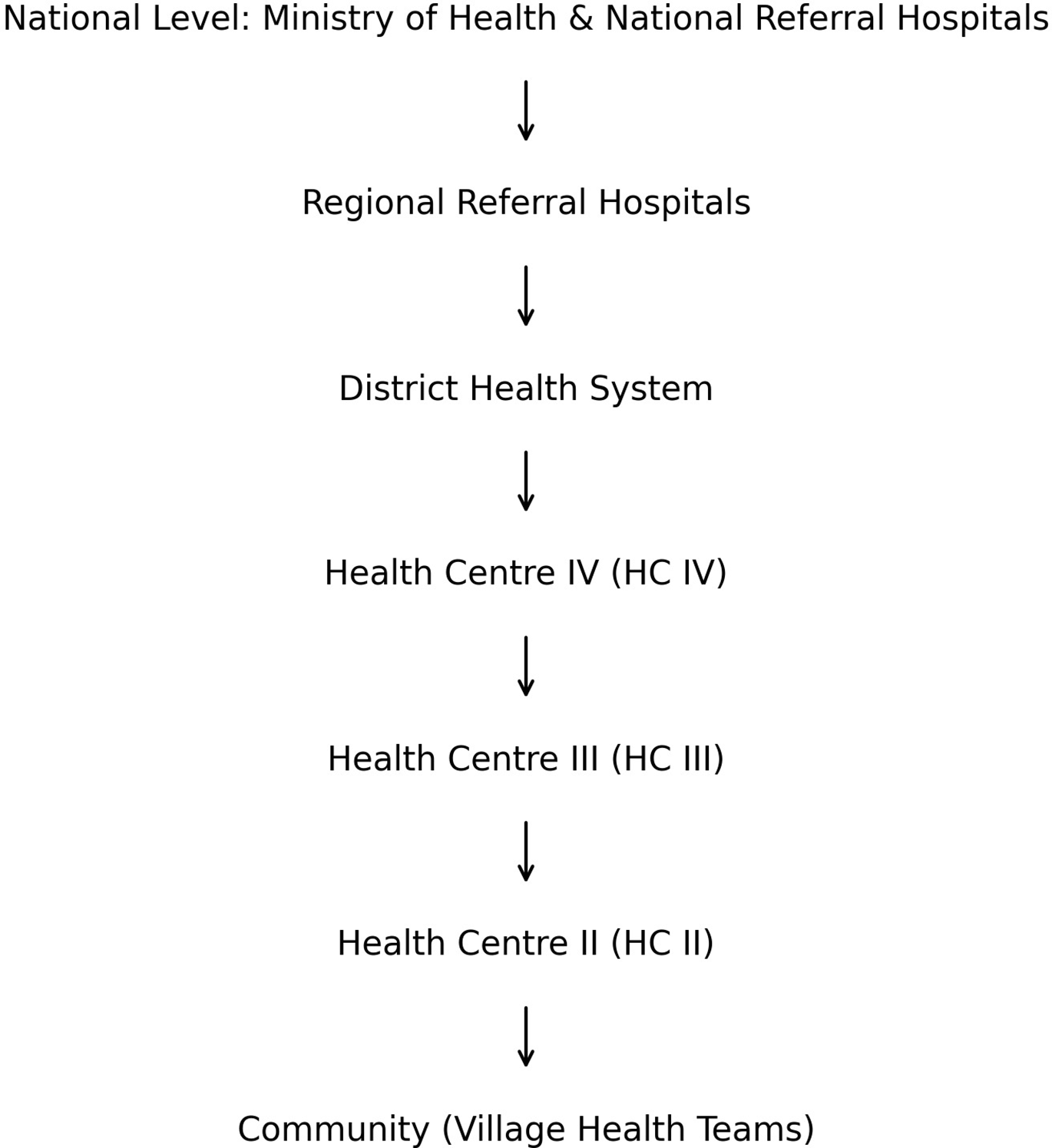
This figure depicts the tiered public health structure in Uganda designed for the delivery of Primary Health Care (PHC). It outlines the hierarchy from the Ministry of Health and National/Regional Referral Hospitals down to the district health system, which includes District General Hospitals, Health Centres (IV, III, and II), and community-level Village Health Teams (VHTs). Source: Ayiko et al., 2015.
Vaccination is one of the proven interventions to prevent diseases globally and has averted approximately 40% childhood deaths in the last five decades and saved over 150 million lives (Andre et al., 2008; Bustreo et al., 2015; Chauke-Moagi & Mumba, 2012; Greenwood, 2014; Mwenda et al., 2025; Shattock et al., 2024; Sinumvayo et al., 2024). Despite the fact that complete child vaccination in Sub Saharan Africa has been lower than the global vaccination targets over the years (Adetokunboh et al., 2021; Casey et al., 2017; Restrepo-Méndez et al., 2016; Sinumvayo et al., 2024; WHO, 2023) coverage is increasing (Bobo et al., 2022) and Kenya and Uganda have made significant strides in expanding child vaccination coverage to about 69.21% in the recent past (Bakkabulindi et al., 2023; Bobo et al., 2022; Mutua et al., 2016; Okello et al., 2022). However, several challenges including the lack of effective stakeholder mapping and analysis have delayed the achievement of vaccination and other health targets.
To improve vaccine coverage for all children in Africa, the World Health Organization (WHO), the United Nations International Children’s Emergency Fund (UNICEF) and Ministries of Health implemented the ‘Big Catch Up’ from April 2023 (Mboussou et al., 2024; WHO & UNICEF, 2023). The ultimate goal was to ensure that people of all ages benefit fully from vaccines for good health and wellbeing. However, many changes in vaccination coverage reflect regional and national patterns in infrastructure development, lack of effective stakeholder engagement and geographical and household characteristics, among others (Dimitrova et al., 2023; Sodha & Dietz, 2015; Utazi et al., 2019), which calls for multiple interventions in order to address the social and structural determinants of vaccine uptake and specifically address the needs of vulnerable populations (Hopkins et al., 2023; Norman et al., 2024; Oyo-Ita et al., 2023; Sodha & Dietz, 2015).
The VAnguard study’s goal is to understand how biological, social, and structural factors interact to impair vaccine impact in vulnerable African communities, and to develop integrated strategies to optimise vaccine benefits and drive health equity (Zirimenya et al., 2024). The study, implemented with a strong community engagement and involvement component ensured that communities have an opportunity to input into the study design and activities. Our engagement objective is to empower vulnerable communities to optimize vaccine impact for their people through a process of co-learning and co-creation.
When and how were the patients/public first involved in the research?
The public and community stakeholders were first involved during the early stages of the NIHR VAnguard study through a community-engaged research process. Specifically, for this mapping exercise, they were involved during group consultative meetings held in Kenya and Uganda. In Uganda, meetings were conducted with community members from two villages, namely, Busiro and Kitosi, as well as Village Health Teams (VHTs), health workers, religious/cultural leaders, sub county and local council leaders.
How were the research question(s) developed and informed by their priorities, experience, and preferences?.
The research questions were informed by the ongoing need to understand the barriers to vaccination among vulnerable and underserved populations in these regions. The priorities of the community, such as vaccine access and improved health, directly shaped the study’s focus on identifying key individuals and groups that can either facilitate or hinder immunization efforts.
How were patients/public involved in (a) the design and conduct of the study, (b) choice of outcome measures, and (c) recruitment to the study?
• Design and Conduct: The study utilized participatory tools and an iterative mapping process. The ‘public’ (community and local leaders) were actively involved in the conduct of the study by validating and refining the stakeholder maps through their first-hand experience of the local health landscape.
• Outcome Measures: While the primary outcome measures (stakeholder profiles, interests, and power dynamics) were initially defined by the research framework, they were further refined based on the types of influence and interest identified by the participants during the group consultations.
• Recruitment: Recruitment for the consultative meetings was facilitated through existing local governance structures, including sub-county leaders, health workers and local council leaders, to ensure a representative group of community voices was present.
How were (or will) patients/public be involved in choosing the methods and agreeing plans for dissemination of the study results to participants and linked communities? In both Kenya and Uganda, dissemination plans were discussed during the consultative meetings. The results of the stakeholder mapping were shared back with the participating communities and their leaders (including religious and cultural leaders) to ensure the findings are used to strengthen coordination and resource allocation at the local level.
Our multi-disciplinary project draws on the professionalism and expertise of key partners from the Ministry of Health, community health and/extension workers, the media, district and county health teams, local council leaders, county/sub county leaders and community members. Initial engagement with these partners gave us a good platform to launch the stakeholder mapping, a process which was not only insightful but created the right momentum to bring the rest of the stakeholder engagement activities into focus.
For both Kenya and Uganda, the process started with physical and virtual team meetings and interactive engagements with our partners at the Ministries of Health and in the communities. Here we reflected on our engagement objectives and outlined the key steps for a comprehensive stakeholder analysis using the stakeholder mapping technique. Stakeholder mapping was done at the beginning and in the course of the study in order to track any changes in engagement and identify other influential or noteworthy people in the community. Data were captured through reports from group consultative meetings rather than individual interviews.
We used the group map (https://www.groupmap.com) to plot stakeholders against two variables, namely, interest and influence/power . This technique is useful because it clearly identifies stakeholders who can have the greatest impact on project success and also the stakeholders who need to be heard and involved. The map also helps to guide prioritization and allocation of resources and is a basis for developing good communication and engagement plans.
We developed a matrix with key stakeholders in vaccination programmes in the target communities both at the policy and community levels. We were also able to use this structure to allocate resources and develop a communication and engagement plan that guided engagement activities during the formative phases of the VAnguard project, and later during the Community Study ( Figure 3).
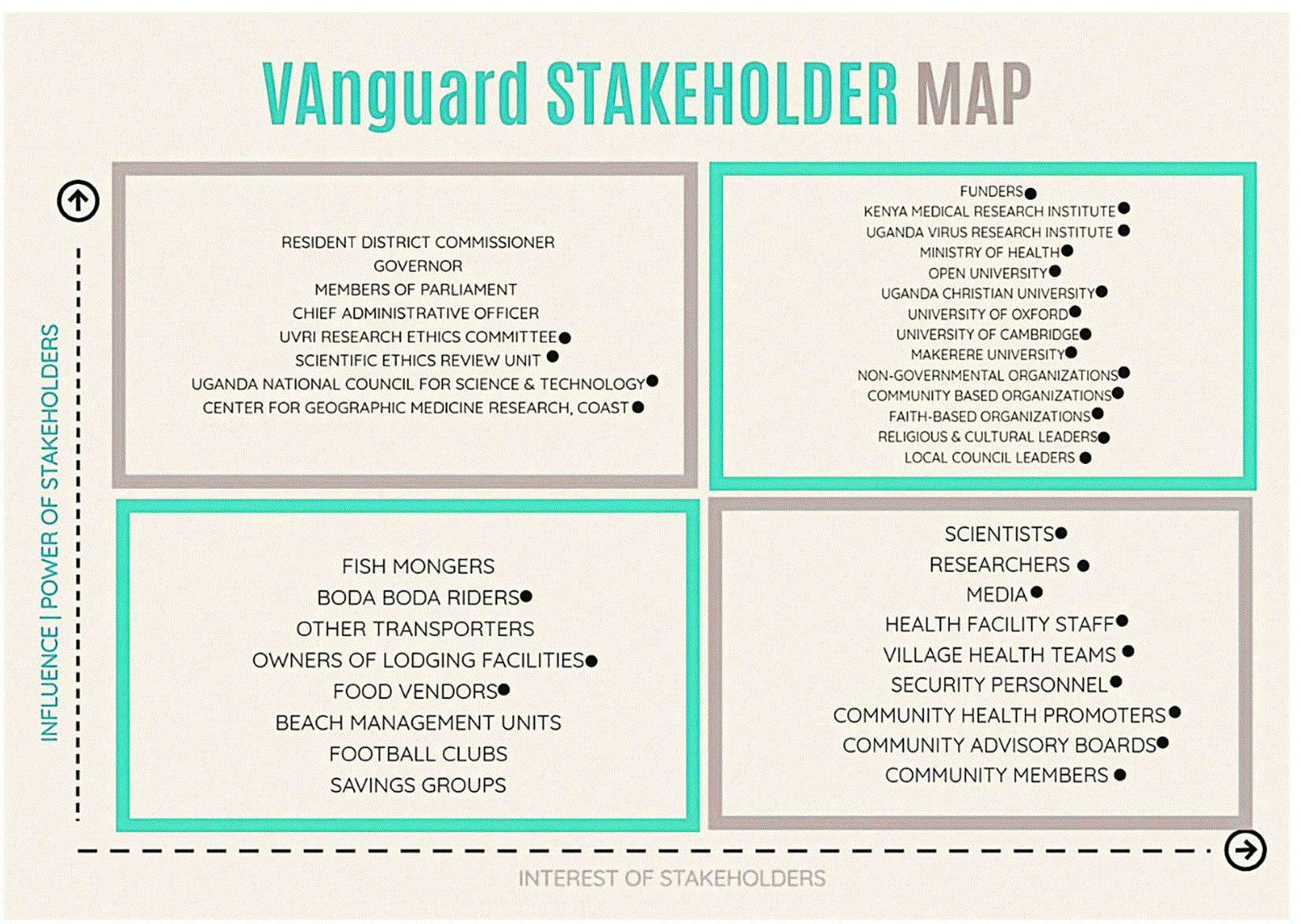
This matrix presents the mapping of key individuals, groups, and organizations involved in vaccination programmes, plotted according to their levels of interest and influence/power. Developed using the group mapping technique, this visualization served as the foundation for resource allocation and the creation of communication and engagement plans during the formative and community phases of the VAnguard project.
While in the field, we revisited the stakeholder map repeatedly to identify additional stakeholders in context of both fishing and non-fishing communities, and more importantly the vulnerable communities, which are the focus of our vaccine communication, engagement and research.
The study was conducted in strict accordance with the principles of the Declaration of Helsinki. Ethical approval for the study protocol was obtained prior to the commencement of the research from all relevant institutional review boards (IRBs) to ensure compliance with both national and international guidelines.
Ethics committee names and reference numbers: Specific approvals were granted by the following bodies:
• Kenya Medical Research Institute Scientific & Ethics Review Unit (SERU): Reference number KEMRI/SERU/CGMR/278/4655.
• National Commission for Science, Technology & Innovation (NACOSTI), Kenya: Reference number NACOSTI/P/23/25428.
• Uganda Virus Research Institute Research Ethics Committee (UVRI REC): Reference number GC/127/966.
• Uganda National Council for Science and Technology (UNCST): Reference number HS2901ES.
Additional Frameworks: The research was also performed in accordance with the UK policy framework for Health and Social Care Research and the Concordat to support Research Integrity.
We profiled stakeholders from the national and decentralized health systems based on their level of interest or influence.
The KEMRI Wellcome Trust Research Programme has over the last three decades, developed collaborations with vaccine stakeholders, owing to several completed or ongoing vaccine trials. The already mapped stakeholders were reviewed again and listed to include both government and non-government actors, funding agencies, community health extension workers, the media, county health teams, county leaders and community members. The mapping involved discussing with the current stakeholders and community groups, and adding onto the list any key groups that were not captured in the existing list.
Similarly, in Uganda, key players in vaccination include both government and non-government actors, funders, local communities, community health workers, district health teams, local council leaders, sub county leaders, community members and the media.
We carried out transect walks and small group discussions with community members in order to profile the various stakeholders, their interests, roles and influence.
National level stakeholders
The Kenya government provides oversight through the Ministry of Health. The ministry governs health through specific departments and working groups like the National Vaccines and Immunization Programme (NVIP). This is the main body within the Ministry of Health charged with vaccine oversight and ensuring that the country has enough safe and effective vaccines. The Kenya National Immunization Technical Working Group (KENITAG), established in 2014/2015, comprises key committee members whose main responsibility is supporting the ministry in shaping immunization policies in the country. The Kenya Medical Research Institute (KEMRI) was given the mandate to undertake health/biomedical research.
The Kenya Medical Association, National Nursing Council and the Kenya Medical and Dentists Practitioners Board leadership comprise this group of associations/councils. During the COVID-19 pandemic, for instance, medical associations and councils were quite instrumental in debunking some of the myths surrounding COVID-19 disease and more specifically, vaccines. In Kilifi specifically, researchers could not approach health care workers for COVID-19 trials before first engaging the Kenya Medical Association, National Nursing Council and the Kenya Medical and Dentists Practitioners Board leadership. These bodies wield a lot of power to both their members as well as the general public, and are capable of swaying attitudes towards or against uptake of vaccines.
Governors discuss and pass bills that can impact on health matters in the country and counties. During the COVID-19 pandemic in Kenya, for instance, local members of parliament and the Governor’s office led campaigns either promoting or discouraging uptake of vaccines, among their population.
The government of Uganda, through the Ministry of Health, implements immunization through the Uganda National Expanded Programme on Immunization (UNEPI), which was officially launched in October 1983. The government sets policies, standards and guidelines, provides funding, technical support and regulates the distribution and administration of vaccines. It also engages in quality assurance, surveillance and research. The Uganda National Immunization Technical Advisory Groups (UNITAGs) consist of multidisciplinary independent experts who provide evidence based solutions to the Ministry of Health, policy makers and programme managers to aid policy decisions in Uganda. They solicit funding from relevant bodies and improve credibility of national vaccine and immunization strategies. UNITAGs are chaired by an expert independent committee of the government immunization programme.
Members of Parliament discuss and pass bills that can impact on health matters in the country and district. Ugandan members of parliament play an active role to secure community buy-in during vaccine campaigns.
The Kilifi County Department of Health
This is the overall health management body in Kilifi County (one of the 47 counties in Kenya’s devolved government system) which is led by a County Executive Committee Member (CECM), who serves in a similar role to that of the national Cabinet Secretary. The CECM oversees implementation of national Ministry of Health policies at County level, while ensuring formulation and implementation of local health policies. Within the County Department of Health, key departments include:
• Division of Monitoring, Evaluation and Research: responsible for data collection, storage, and analysis, on all major health indicators, including vaccination and child immunization. This division is also responsible for approval of all research conducted within the County.
• Division of preventive and promotive services: responsible for community level health programmes, health information and education for community members. Implementation of the Community Health Strategy falls under this division. The local immunization initiatives fall under this division.
• Division of Health Services and Health Products: responsible for vaccine acquisition and deployment within Kilifi County. This team works closely with the Kenya Medical Supplies Agency (KEMSA) to stock the local warehouse and arrange deployment of vaccines to primary health care facilities across Kilifi County.
• County level, Sub-county and facility/hospital level management teams: responsible for policy implementation and health service provision, including carrying out routine vaccination.
• At the community level, Community Health Promoters (CHPs) are responsible for offering basic community level health services such as taking vitals and making referrals for individuals found to be sick. CHPs are also instrumental in mobilizing community members during mass vaccination campaigns. They also take note of vaccination gaps amongst children and expectant women and encourage uptake of vaccine in this target group.
The Mukono District Health Office (DHO)
Uganda operates a decentralized health system. At the district level, immunization services are managed through the District Health Office, with different roles for the district, health sub-districts, health facilities and the community.
The roles of the DHO include to build the capacity of the communities through mobilization and awareness creation to enable them to actively participate in vaccination programmes; empower the marginalized and vulnerable groups to participate fully; and network and coordinate with relevant government departments and other key actors.
Local Non-Governmental Organizations (NGOs)/Community Based Organizations (CBOS)/Faith Based Organizations (FBOs)
These are key stakeholders in vaccination, providing support and services to communities, advocating for health-related issues, conducting vaccine research and influencing decision-making, as well as supporting county departments of health to implement immunization programmes. Some of the key Kilifi based organizations include: The Kenya Red Cross Society; UNICEF; WHO; LVCT Health; Kenya AIDS NGOs Consortium. These organizations work closely with the local county department of health to support with vaccine education in the community, provide financial and material support for vaccine catch-up campaigns and work to ensure the County is not lagging behind in terms of immunizations milestones in all relevant population groups.
In Uganda key partners include Makerere University Walter Reed Project, Clinton Health Access Initiative (CHAI) and Programme for Appropriate Technology for Health (PATH), among others.
Religious leaders
Religious leaders are important stakeholders when it comes to health and research. The KEMRI Wellcome Trust Research Programme has closely engaged with the county inter-faith council for over 10 years. Different groups of mainstream and traditional religions have visited the research programme’s campus to learn more about research. During the COVID-19 pandemic for example, a number of engagements were held with religious leaders to help them understand the vaccines under trial, to support with passing on accurate information to their members. Religious groups have large congregations in mosques and churches and wield considerable levels of power over their members.
In Uganda the leaders from the Anglican Church, Roman Catholic Church and Muslim clerics play a crucial role in mobilizing people to take part in various government health programmes including vaccination programmes.
Local administration/councils
In Kenya, these are located at the lowest level of administration in the national government system and are governed by a Chief who oversees a location. Assistant Chiefs are administrators for a sub-location, which is made up of a number of villages. 2–3 sub locations (sometimes 4 depending on how vast a location is) make up one location. Chiefs are required by national government to oversee all activities taking place within their [sub] locations. For example, where national and local health managers call for mass vaccinations, local Chiefs are required to ensure residents within their jurisdictions are aware and participate in the campaigns. The KEMRI Wellcome Trust Research Programme has a database of all Chiefs within the Kilifi Health and Demographic Surveillance System (KHDSS) area and no community level activities can take place in a location without approval from a Chief. Chiefs also seat on primary health facility management committees. They are responsible for ensuring that government policies are implemented at community level.
In Uganda, the Local Council (LC) structure, which is a form of elected government within the districts, consists of the LC V chairman at the district, LC IV at the county, LC III at the sub-county, LC II at the parish and LC I at the village level. LCs are mandated to support the implementation of district health services. However, the variations that exist in the implementation of national immunization guidelines in the districts tend to reflect the quality of leadership at different levels and power structures between technical personnel and elected or appointed leaders (Dorit et al., 2025).
In Kenya, health workers administer vaccines, keep vaccine schedules, participate in 24-hour outreach campaigns and are the main source of information concerning vaccine availability.
Community Health Promoters (CHPs) are individuals drawn from the community (level 1) and trained to support health prevention and promotion at village/household level. They work directly under the county department of health, advising women to have their babies immunized, and promoting uptake of vaccines like (COVID-19 vaccines).
Similarly, in Uganda Community Health Workers (CHWs) are an important link between the healthcare system and communities and their role is crucial in addressing barriers to health care access, especially in underserved areas. For instance, they administer vaccines and provide health education to community members, provide quality care to patients, reducing the incidence of infectious diseases, and improving the health of the population, and contribute to training, and delivery of supplies and equipment in order to promote vaccination. They also interact directly with patients and are trusted sources of health information.
These are mostly the end users of vaccines and health programmes and they work together with community leaders and other stakeholders who support them through health education and participation in immunization programmes. Within a research context, community members or their children participate in vaccine trials. In Kilifi, community members have participated in malaria, pneumonia, shigella, yellow fever and COVID-19 vaccine trials. Similarly, in Uganda communities have participated in vaccines studies on HIV, COVID-19, schistosomiasis, malaria and Crimean Congo Hemorrhagic Fever, among others.
Community members in Kilifi Kenya have elected fellow community members or Community Advisory Groups as their representatives to the KEMRI Wellcome Trust Research Programme (KWTRP). Their main role is to share concerns from community members about research and activities at KWTRP. They also give input into research planning and implementation through deliberative consultations and other qualitative research methods.
Similarly, in Uganda, one of the ways researchers engage with the communities is through the Community Advisory Boards (CABs) with one of the CABs hosted at the Uganda Virus Research Institute and members of the community belong to several CABs in the target districts.
In both Kenya and Uganda, the media plays a crucial role in disseminating information and shaping public opinion on vaccination. In Kenya, for instance, media is among the top trusted sources of information for government and faith based organizations and people obtain information from multiple channels (Fesshaye et al., 2023). Therefore, positive coverage of information by the media led to acceptance of COVID-19 vaccines and vice versa. In Uganda, radio and TV are major sources of vaccine information. However, social media was a major source of vaccine misinformation during the COVID-19 pandemic (Amodan et al., 2025).
Vaccination programmes require adequate funds and support for effective implementation. Funders support vaccination programmes in both Kenya and Uganda and work hand in hand with the government and other development partners to promote health access and equity. In both countries, GAVI and the Vaccine Alliance have supported the acquisition and distribution of vaccines, especially for children, overtime.
In the early stages of the VAnguard project, the response from the various stakeholders in the community was positive and this was attributed to a number of factors:
Our earlier research work in some of the communities in Kenya and Uganda was done with active community engagement and some stakeholder groups were already identified and involved.
In Kenya, the KEMRI Wellcome Programme has undertaken a series of vaccine trials in the community and primary health facilities (Angwenyi et al., 2014; Mumba et al., 2022; Tindana et al., 2017; Tolppa et al., 2025) and facilitated various community engagement processes (Tindana et al., 2017). Through these vaccine trials, the KEMRI team has engaged extensively the national vaccine immunization programme, the local department of health and specifically the immunization focal person, other health stakeholders and community members. These prior engagement activities enhanced interactions with these stakeholders and promoted a successful engagement and mapping exercise.
Furthermore, community members had just experienced the effects of the COVID-19 pandemic and the distribution and uptake of COVID-19 vaccines, so they had fresh memories of how vaccines were initiated among the members of the community and managed. They were able to reflect on their own challenges and fears and these experiences were articulated during the initial discussions of the stakeholder mapping process.
In Uganda the MRC/UVRI and LSHTM, Uganda Research Unit has previously worked in a fishing community and continuously engaged with local communities and leaders especially during the POPVAC trial (Nkurunungi et al., 2020). The study team worked closely with the Village Health Team members, head teachers, students, and parents/guardians. The study laid a good foundation for the VAnguard study through the establishment of effective community engagement structures.
The commitment of Village Health Team members, Local Council leaders, health workers and Community Advisory Board members.
Our project initially relied on key gate keepers like Local Council leaders and Village Health Team members/Community Health Promoters for effective community entry. Likewise, the support from health workers and Community Advisory Boards was important during the stakeholder mapping and consultation in both Kenya and Uganda.
The ongoing community processes like regular or periodic community meetings, and other group economic or recreational activities.
During the mapping exercise, we learned about some people in fishing and island communities who had previously resisted vaccination like some caregivers, both male and female and older people (Bakibinga et al., 2020). This led to development of further approaches to address attitudes and perceptions around HPV and other vaccines, for example. We therefore aimed to target some of these groups in our subsequent community meetings, informal conversations and interviews in order to understand more about their perspectives and allay their fears.
The findings from our stakeholder mapping and analysis in Kenya and Uganda highlight the landscape of actors involved in vaccination programs, revealing both the potential and challenges inherent in stakeholder engagement in vaccination. Our methodological approach, which combined literature review with interactive stakeholder consultation (Brugha & Varvasovszky, 2000), underscores the importance of a deeper understanding of the local contexts in designing and implementing vaccination strategies.
We found that some of the challenges in vaccination, relate mainly to the lack of effective stakeholder analysis and engagement (Dimitrova et al., 2023; Sodha & Dietz, 2015; Utazi et al., 2019). The mapping also revealed patterns about the multifaceted nature of vaccination efforts and key stakeholders from government agencies, community organizations, health workers, and community members (Hopkins et al., 2023; Oyo-Ita et al., 2021), as well as the power dynamics between them and any prior engagement efforts which laid a strong foundation for current stakeholder engagement (Nkurunungi et al., 2020).
These prior experiences facilitated trust-building and enabled more effective communication during the mapping and analysis process. This highlights the value of sustained and consistent engagement whether through physical or virtual meetings and interactive engagements with stakeholders at different levels.
Similar to our approach of mapping stakeholders at the beginning and in the course of the study, Dwivedi (2021) emphasized the importance of this exercise in enlisting the support of various stakeholders, especially community members, who feel the social and structural impacts of poor vaccine decisions (Dwivedi, 2021; Zirimenya et al., 2024) and according to Hopkins et al., this is expected to lead to an improved theory of change for future projects and the ability to track vaccination targets in a timely manner and address needs of vulnerable populations (Hopkins et al., 2023), for instance those living in fishing communities and urban slums. Effective collaboration among the different stakeholders could potentially address structural barriers, such as vaccine supply chain issues and access disparities, thereby improving vaccination coverage.
Our analysis was also in line with the findings that community leaders, such as religious figures, local administration officials, and health volunteers, exert significant influence over community perceptions and behaviors related to vaccination. Their involvement is crucial for addressing vaccine hesitancy and misinformation, especially in contexts where cultural or religious beliefs shape health decisions (Zirimenya et al., 2024). Similarly, the study by Ogutu et al., (2023) found that healthcare is administered via a combination of national, county sub-county facilities, all working together to improve public health outcomes (Ogutu et al., 2023).
The dynamic nature of stakeholder influence was evident, with some actors’ roles evolving during the project’s course. For example, local health workers and Community Advisory Boards proved instrumental in facilitating community outreach, but their engagement levels depended on ongoing support and recognition. This underscores the need for adaptive stakeholder management approaches that respond to changing contextual factors and stakeholder priorities.
In sum, the identification and profiling of stakeholders at both national and local levels revealed a combination of interests and influences that can significantly impact the success of vaccination programmes (Dwivedi, 2021; Gobat et al., 2025). As earlier indicated, stakeholders such as government ministries, health workers, community leaders, and civil society organizations play pivotal roles in shaping vaccination uptake. This aligns with existing literature that emphasizes the necessity of multi-sectoral collaboration in public health interventions and the need to reach marginalized populations (Hopkins et al., 2023; Mboussou et al., 2024; Norman et al., 2024; WHO & UNICEF, 2023). Our stakeholder mapping and analysis process, which utilized a dynamic matrix to assess interest and influence, enabled us to visualize these relationships and rethink how engagement activities can be targeted and prioritized.
However, despite these positive insights, several challenges remain. Power imbalances and conflicting interests among stakeholders can hinder consensus-building and coordinated action. Additionally, resource constraints limit the scope of engagement activities, particularly in remote or underserved areas. Addressing these challenges requires continuous stakeholder mapping and analysis to identify potential stakeholders with power or influence and interest.
Stakeholder mapping and analysis are valuable tools for understanding and optimizing the vaccination landscape in Kenya and Uganda. They uncover a multiplicity of relationships between government agencies, international organizations, NGOs, heath care providers, and community members as they facilitate targeted engagement, enhance coordination and support adaptive strategies to overcome barriers. To sustain progress towards higher immunization coverage, health programmes ought to prioritize and fast track stakeholder mapping and analysis, invest in relationship-building and promote inclusive participation across all levels of the health system and community, including underserved populations.
Informed consent was obtained from all individuals participating in the stakeholder mapping and analysis. Due to the nature of the study, which involved interactions with large stakeholder groups, including county, district and sub-county leaders, religious and cultural leaders, health workers, Community Health Promoters, Village Health Teams (VHTs), and community members. Verbal informed consent was obtained rather than written consent. This approach was chosen to facilitate open participation in a group setting and was deemed appropriate for the community-engaged research framework employed. The process for obtaining verbal consent, including the provision of study information and the recording of consent, was reviewed and approved by the KEMRI Scientific and Ethics Review Unit (SERU) and the Uganda Virus Research Institute Research and Ethics Committee (UVRI-REC).
Provide sufficient details of any financial or non-financial competing interests to enable users to assess whether your comments might lead a reasonable person to question your impartiality. Consider the following examples, but note that this is not an exhaustive list:
Sign up for content alerts and receive a weekly or monthly email with all newly published articles
Register with NIHR Open Research
Already registered? Sign in
If you are a previous or current NIHR award holder, sign up for information about developments, publishing and publications from NIHR Open Research.
We'll keep you updated on any major new updates to NIHR Open Research
The email address should be the one you originally registered with F1000.
You registered with F1000 via Google, so we cannot reset your password.
To sign in, please click here.
If you still need help with your Google account password, please click here.
You registered with F1000 via Facebook, so we cannot reset your password.
To sign in, please click here.
If you still need help with your Facebook account password, please click here.
If your email address is registered with us, we will email you instructions to reset your password.
If you think you should have received this email but it has not arrived, please check your spam filters and/or contact for further assistance.

Comments on this article Comments (0)