Keywords
Cystic fibrosis, pulmonary exacerbation, respiratory infection, airway microbiome, environmental exposure

Cystic fibrosis, pulmonary exacerbation, respiratory infection, airway microbiome, environmental exposure
Cystic fibrosis (CF) is a life-limiting, autosomal recessive disorder caused by pathogenic variants in the cystic fibrosis transmembrane conductance regulator (CFTR) gene,1 affecting more than 89,000 people worldwide,2 including over 11,000 people in the United Kingdom (UK).3 CF lung disease arises from defective CFTR-mediated ion transport, leading to airway surface liquid depletion, impaired mucociliary clearance, chronic infection, and inflammation.1,4 Although outcomes have improved substantially, particularly with highly effective CFTR modulator therapies, pulmonary exacerbations remain a frequent and clinically significant complication.5,6
Pulmonary exacerbations are associated with substantial morbidity, reduced quality of life, accelerated lung function decline, and increased mortality, as well as high healthcare utilisation.1,7,8 However, there are no universally agreed diagnostic criteria, and exacerbations are typically defined clinically by worsening respiratory symptoms such as cough, sputum production, breathlessness, and decline in lung function.9,10 Management usually involves prolonged courses of oral or intravenous antibiotics, alongside chronic suppressive antibiotic and mucolytic therapies aimed at prevention. These treatments are burdensome and contribute to antimicrobial resistance, making reduction of exacerbation frequency a major goal in CF care.7
Despite their central role in disease progression, the mechanisms underlying CF pulmonary exacerbations remain poorly understood.1 Exacerbations are commonly conceptualized as episodes of increased bacterial growth, particularly of established pathogens such as Pseudomonas aeruginosa.1,4 However, microbiome studies challenge this model, showing little consistent change in bacterial burden or community composition at exacerbation onset, despite symptomatic improvement with antibiotics.11–17 These findings suggest that exacerbations may occur in a background of chronic infection and inflammation, where additional triggers disrupt airway homeostasis and amplify host inflammatory response.18–20
Exacerbations show marked heterogeneity in presentation and course,21,22 likely reflecting differences in both precipitating factors and host susceptibility.23 Multiple distinct biological mechanisms may therefore underlie clinically similar exacerbation events, which are not adequately differentiated using current clinical or laboratory assessments. Improved understanding of exacerbation triggers, mechanisms and risk factors is needed to enable more targeted, evidence-based strategies that reduce exacerbation burden while minimising unnecessary antibiotic exposure.
CF-Tracker is a community-based surveillance study designed to address these gaps by investigating the causes of pulmonary exacerbations in people with CF. Deploying a systems biology approach, the study integrates data on airway infection, inflammatory pathways, immunology, clinical status, and exposure to infectious and environmental triggers to identify exacerbation phenotypes and quantify the relative contribution of different triggers. This protocol describes a prospective, longitudinal, observational, multicentre, study following people with CF over a 12-month period across the United Kingdom. The study has been co-developed with patients, CF clinicians, virologists, and multidisciplinary clinical and basic science experts to ensure a detailed yet pragmatic approach to exposome surveillance. The protocol has been written in accordance with modified Standard Protocol Items: Recommendations for Interventional Trials (SPIRIT guidance),24 Recommendations for Observational Studies (SPIROS) guidance,25 and Strengthening the Reporting of Observational Studies in Epidemiology (STROBE) guidance.26
Primary objective
The primary objective of the study is to identify the clinical and biological factors associated with an increased likelihood of pulmonary exacerbation in people with CF, including a shorter time to exacerbation and a higher overall exacerbation frequency, and use these factors to identify individuals at a risk.
Secondary objectives
The CF-Tracker study will generate a rich dataset of longitudinal clinical data and biological samples. Included among the secondary outcomes we plan to investigate are:
1) Establish the prevalence and clinical impact of different respiratory viral infections in CF, including:
2) Identification of distinct host molecular fingerprints in relation to exacerbation severity.
3) The identification of key molecular pathways involved in response to environmental or infective exacerbation triggers.
4) Identification of potential biomarkers linked to increased risk of exacerbations.
5) The role of the airway microbiome as a risk factor for exacerbations.
6) The reliability of alternative microbiology techniques, including use of saliva as an alternative to sputum collection.
7) The relationship of exacerbations to patient-reported symptoms.
8) The impact of airborne pollution on exacerbation profiles and airway inflammation.
The CF-Tracker study is an observational study comprising a baseline assessment in clinic followed by a 6-month period of home monitoring. It follows a tiered design, with 200 participants across all centres completing the Group A tier, which comprises a single, face-to-face study visit at baseline. The core centres will offer a more intensive study schedule (“Group B”) consisting of 2–3 face to face visits. In both cases the home monitoring is the same (see Figure 1).
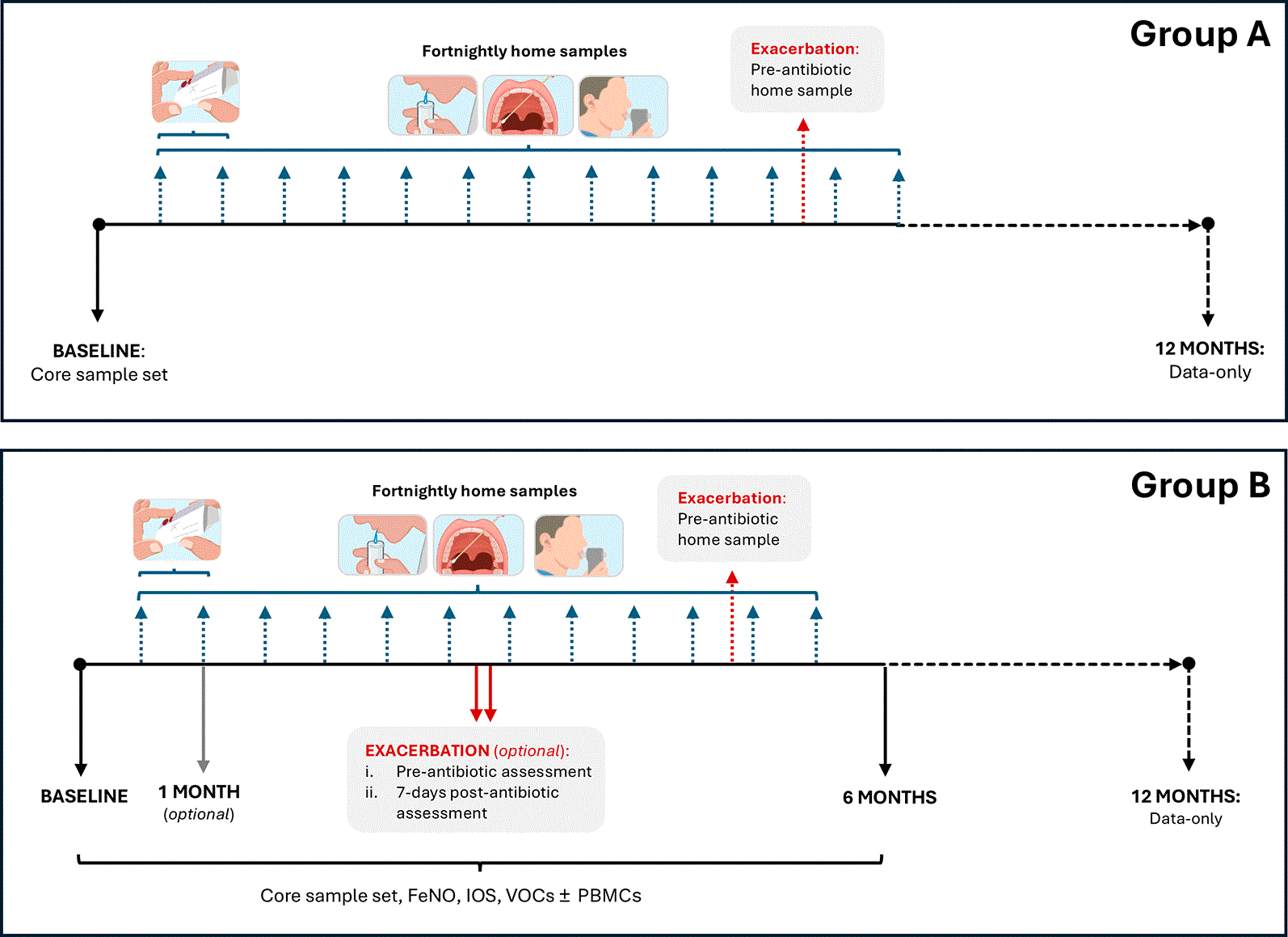
Core sample set and questionnaires: saliva, cough swab, sputum (spontaneous or induced), nasal liquid, nose and throat swab for viral PCR, urine, immune cell profiling, dried blood spot C-reactive protein, and sweat chloride if required. (FeNO: Fractional Exhaled Nitric Oxide; IOS: Impulse Oscillometry; VOCs: Volatile organic compounds; PBMCs: Peripheral blood mononuclear cells). Baseline and follow-up visit requirements are explained in the text.
The CF-Tracker study is a key component of the PULSE-CF innovation Hub, a Research Innovation Hub run from the University of Manchester but representing a national collaboration across translational science teams in four UK universities (Manchester, Liverpool, Queens University Belfast, and Southampton), and across adult CF centres in Manchester, Newcastle, Leeds, and Cardiff. Funding for the Hub comes from the Cystic Fibrosis Trust and the medical research charity LifeArc, running from 1st January 2025 for 5 years.
Individuals will be eligible for inclusion if they have a confirmed diagnosis of CF, defined as either two pathogenic CF-causing CFTR mutations with clinical features consistent with CF, or at least one pathogenic CF-causing CFTR mutation together with a sweat chloride concentration > 60 mmol/L (measured prior to initiation of CFTR modulator therapy) and clinical features consistent with CF. Participants must be aged ≥16 years, receiving care at a UK adult CF centre, and be able to provide written informed consent after understanding the participant information materials, including consent for home sample collection and return.
Eligible participants must have experienced at least one pulmonary exacerbation requiring treatment with oral and/or intravenous antibiotics within the preceding 12 months. Participants must have access to home spirometry, either through a personal device or one provided by their CF centre and be able to perform spirometric measurements. The ability to provide sputum samples, either spontaneously or following induction using physiotherapy manoeuvres or hypertonic saline, is required for the baseline visit. Participants enrolled in the heightened monitoring Group B must also be willing to attend additional face-to-face study visits at 26 weeks and during episodes of clinical deterioration.
Participants will be excluded if they have Mycobacterium tuberculosis infection, or non-tuberculous mycobacterial (NTM) infection on an antibiotic treatment regimen or anticipated to start an NTM treatment regimen within 12 months of enrolment. Individuals with active allergic bronchopulmonary aspergillosis (ABPA), defined as receiving treatment currently or within the previous 12 months, or considered at high risk of requiring treatment within the next 12 months, will also be excluded. Additional exclusion criteria include long-term systemic immunosuppression, defined as oral corticosteroid therapy for >2 months at a dose equivalent to ≥10 mg/day prednisolone, or other long-term immunosuppressive therapy, including treatment for solid organ transplantation, therapy for autoimmune disease, or monoclonal antibodies for chronic conditions such as severe asthma or inflammatory bowel disease.
Participants who are unable to perform home spirometry, have previously demonstrated poor adherence to home monitoring, or have any medical condition, comorbidity, or circumstance that, in the opinion of the investigator, would preclude completion of the study protocol or render them unsuitable for inclusion, will be excluded.
Participation in other observational studies or open-label trials will be permitted at investigator discretion, with consideration of participant burden. Individuals enrolled in interventional trials that are ongoing but expected to complete during the 12-month study period may be considered following discussion with the study team. Participants enrolled in, or planning to commence during the study period, a blinded interventional clinical trial of an investigational medicinal product or other intervention will be excluded, as treatment allocation would be unknown and could not be incorporated into planned statistical analyses.
Up to 40 healthy volunteers will be recruited from the Manchester site to act as controls and will attend a single visit for sample collection. Eligible volunteers will be male or female, aged 16–65 years, and in good general health with no history of chronic respiratory disease, or chronic inflammatory disorders, or active infection. Participants must be well at the time of assessment, defined as no viral symptoms in the preceding four weeks, and no antibiotic use within the past three months. Healthy volunteers must be non-smokers; former smokers are eligible only if their smoking history is ≤ five-pack years.
Written informed consent will take place either at the start of visit 1, prior to any other procedures, or may occur during an earlier contact with the participant. Consent will be taken either by the principal investigator, by a delegated sub-investigator, by a delegated research nurse or advanced care practitioner, or by a delegated and appropriately trained research practitioner. Adult subjects without capacity to consent will not be approached and will not be eligible to take part.
Three cohorts will be recruited to the study:
1. Group A: 200 adults with CF aged ≥16 years, attending a UK adult CF centre
2. Group B: An additional 100 adults with CF recruited from 5 core adult CF centres: Manchester, Leeds, Newcastle, Cardiff, and Liverpool
3. Healthy controls: up to 40 healthy volunteers providing samples on a single occasion.
For participants in groups A and B, the baseline visit must take place during a period of clinical stability, defined as no acute change in baseline respiratory symptoms, no new viral symptoms, no use of additional antibiotic or antiviral therapy beyond usual maintenance medications, and completion of any such additional therapy at least four weeks prior to the visit.
Group A:
Participants in Group A will attend a single in-person baseline visit at their site, during which consent and core study assessments will be completed. The core sample set and questionnaires include saliva, cough swab, sputum (spontaneous or induced), nasal liquid, nose and throat swab for viral PCR, urine, immune cell profiling, dried blood spot C-reactive protein, and sweat chloride if required. Questionnaires include the Cystic Fibrosis Respiratory Symptom Diary (CFRSD-CRISS), Cystic Fibrosis Questionnaire-Revised (CFQ-R), EuroQol 5 Dimension 5-Level questionnaire (EQ 5D-5L), the Pittsburgh sleep quality index (PSQI), and the Medication Adherence Report Scale (MARS-5) questionnaire. All subsequent assessments will be conducted by participants at home ( Table 2).
Group B:
Group B follows the same core procedures as Group A, but includes enhanced sampling, additional scheduled in-person visits, and participation in unscheduled assessments during periods of illness ( Table 2). At participating centres, individuals may consent to either Group A or Group B. Participants may reduce their level of participation from Group B to Group A; however, movement from Group A to Group B after baseline is not permitted because essential baseline assessments required for Group B will not have been collected.
Healthy Volunteers
Healthy volunteers will attend a single in-person baseline visit in Manchester, during which consent and study assessments will be completed. No further visits including home sampling will be required.
For those taking part in Group A or healthy volunteers, they will attend one scheduled in-person assessment.
Group B participants will attend three scheduled in-person visits ( Table 1).
| Assessments | Group A and B Visit 1 | Group B Visit 2 | Group B Visit 3 | Group B Unscheduled | Healthy volunteer (HV) | |
|---|---|---|---|---|---|---|
| Core assessments | Consent | ✓ | ✓ | |||
| Recording of demographic data | ✓ | ✓ | ||||
| Saliva | ✓ | ✓ | ✓ | ✓ | ✓ | |
| Cough swab | ✓ | ✓ | ✓ | ✓ | ✓ | |
| Sputum1 | ✓ | ✓ | ✓ | ✓ | ✓ | |
| Nasal liquid | ✓ | ✓ | ✓ | ✓ | ✓ | |
| Viral swab | ✓ | ✓ | ✓ | ✓ | ✓ | |
| Spirometry2 | ✓ | ✓ | ✓ | ✓ | ✓ | |
| Venous blood3 draw for clinical bloods and inflammatory markers | ✓ | ✓ | ✓ | ✓ | ✓ | |
| Venous blood collection for immune cell profiling | ✓ | ✓ | ✓ | ✓ | ✓ | |
| Blood prick CRP | ✓ | ✓ | ✓ | ✓ | ✓ | |
| Urine5 | ✓ | ✓ | ✓ | ✓ | ✓ | |
| Sweat chloride4 | ✓ | (✓)4 | (✓)4 | |||
| Questionnaires | Symptom questionnaire (CFRSD) | ✓ | ✓ | ✓ | ✓ | |
| Quality of life questionnaires (CFQ-R and EQ 5D-5L) | ✓ | |||||
| MARS-5 questionnaire | ✓ | |||||
| PSQI | ✓ | |||||
| Background questionnaire | ✓ | |||||
| Group B and Healthy Volunteers only | ||||||
| Group B & HV only | VOC | ✓ | ✓ | ✓ | ✓ | ✓ |
| FeNO | ✓ | ✓ | ✓ | ✓ | ✓ | |
| Impulse oscillometry | ✓ | ✓ | ✓ | ✓ | ✓ | |
| PBMC | ✓ | ✓ | ✓ | ✓ | ||
| Rectal swab5 | ✓ | ✓ | ✓ | ✓ | ||
1 Sputum is considered an important sample and will be collected by sputum induction using hypertonic saline if it cannot be produced spontaneously.
2 Lung function (spirometry) performed in clinic, or lung function laboratory spirometry, and repeated on home spirometer.
3 There will be a single venous blood draw to collect both serum inflammatory markers and immune cells including PBMCs.
The baseline visit must occur during clinical stability. Visits at 4 weeks and 6 months should ideally also occur during clinical stability; however, if this is not achievable within the visit window, the visit should still proceed and be recorded as occurring during clinical instability. If logistically challenging, participants in Group B can omit Visit 2 and send in a home sample instead.
In addition to scheduled visits, Group B participants will complete unscheduled assessments when experiencing worsening respiratory symptoms from baseline consistent with viral infection or pulmonary exacerbation. Participants who may require oral or intravenous antibiotics should attend clinical review as soon as feasible; research assessments should be aligned with this visit where possible, and samples collected prior to antibiotic initiation. A follow-up research assessment will be offered after 7 days of antibiotic therapy (window 5–10 days).
Home sampling:
Study participation will run for 12 months. During the first 6 months, participants will undertake fortnightly home sampling. At the baseline visit, participants will be provided with a study chest containing sampling kits sufficient for 13 scheduled postal returns (“kits”) to the Pulse-CF Hub (Manchester).
Each scheduled home assessment will include a combined throat and nose respiratory viral swab, a saliva sample, home spirometry measurements, and completion of an electronic symptom assessment using the CFRSD questionnaire. At the first two clinically stable time points and any exacerbations, participants will additionally collect a finger-prick dried blood spot for inflammatory marker analysis ( Table 3).
To support study adherence and facilitate timely completion and return of samples, participants will have the option to download the CF-Tracker study application (“app”). The app functions as a centralized repository for all study information, a scheduler for sample returns and clinic visits, and a reminder system that delivers push notifications for upcoming home assessments. The app also provides secure access, via SnapSurvey (Bristol, UK), to the electronic CFRSD questionnaire through a personalised link linked to the participant’s study ID and date of completion.
The app is branded with the study name and logo but is powered by Mi-Trial (mi-trial.com, Sheffield, UK), a commercially available trial companion platform available for download via Android and Apple stores. For participants who decline to use the app, or in the event of technical failure, paper copies of questionnaires and study materials will be provided within the study chest.
Participants who become unwell – defined as worsening respiratory symptoms from baseline consistent with respiratory tract infection or pulmonary exacerbation – will complete an additional unscheduled sampling set, particularly when oral antibiotics are initiated. Three pre-labelled exacerbation kits are supplied at baseline for this purpose. These kits include a QR code linking participants to a dedicated exacerbation symptom questionnaire.
Environmental and mould monitoring:
Participants consenting to Group B at the Manchester Adult CF Centre will be offered an additional optional assessment comprising of home pollution and mould monitoring (n = 50). Participants living further away (including those at other Group B centres) may opt for participant-led installation of pollution monitors without mould sampling.
Exposure to air pollutants is an emerging risk factor for respiratory exacerbations. As individuals spend up to 80% of their time indoors, indoor environments may represent a major source of exposure.25,26 While outdoor air pollutants are subject to regulatory standards, indoor pollutants lack equivalent oversight and standardised exposure metrics.27 Air pollution has recognized adverse effects on lung function across respiratory diseases, and recent UK data demonstrate detrimental impacts in people with CF,28 with emerging evidence suggesting increased susceptibility of the CF epithelium to pollutant-related injury.29
This sub-study will investigate associations between indoor pollution exposure and inflammatory markers and clinical outcomes. Participants will have AirGradient One (AirGradient limited, Chiang Mai, Thailand) pollution monitors installed in both the kitchen and bedroom of their home for 12 months to characterise residential environmental exposures. Monitors will continuously record ambient temperature, relative humidity, nitrogen oxides (NOx), total volatile organic compounds (TVOCs), and particulate matter (PM 2.5).
Airborne mould sampling will be conducted twice during the 12-month monitoring period using a standardised protocol supported by the Mycology Reference Centre Manchester (MRCM). A volumetric impactor device will sample one cubic metre of air onto fungal culture agar plates, which will subsequently be cultured and analysed by the MRCM for mould identification and quantification (colony counts). Samples will be obtained from the kitchen and bedroom (monitor locations), up to two additional rooms, and an outdoor environmental control sample.
Environmental data will be analysed alongside temperature and humidity measurements, sputum mycology results, fungal (Aspergillus) serology, and responses from a lifestyle and home questionnaire capturing residential environmental characteristics, socioeconomic factors, and self-reported daily time-activity patterns relevant to exposure assessment.
The study will be discontinued if the participant withdraws consent or if a change in circumstance results in the participant meeting trial exclusion criteria and becomes unsafe to engage in the study; these participants will remain in the analysis for data collected up until the date of withdrawal.
The CF-Tracker study will use a systems biology approach, which can only be delivered by drawing together information from multiple sources relating to inflammatory pathways, airway infection, immunology, clinical status and exposure to infectious and environmental triggers. This demands the use of a diverse range of outcomes relating to different aspects of disease activity in different clinical and biological domains. The following summarises the outcomes we propose to use but may undergo refinement as the study progresses based on finding.
For the purposes of this study, a pulmonary exacerbation will be defined as a worsening of respiratory or upper respiratory tract symptoms above baseline that leads to treatment with oral or intravenous antibiotics, as determined by the treating clinical team. An exacerbation episode will be considered complete when antibiotic treatment has stopped because symptoms are judged by the treating clinician to have resolved. Prolonged or repeated antibiotic treatment without clinical recovery will be considered part of the same exacerbation episode.
Primary outcome measures
Risk of exacerbation: (1) Time to first exacerbation treated with oral or intravenous antibiotics. (2) Total number of exacerbations treated with antibiotics in 12 months.
Time to first exacerbation is the primary outcome against which sputum proteomics marker data will be assessed.
Secondary clinical measures
• Exacerbation severity characteristics, such as need for intravenous antibiotics, hospitalisation, or duration of treatment
• Symptom-defined exacerbation characteristics, including CFRSD symptom burden
• Virologically associated exacerbation events, including presence and type of respiratory virus at or around exacerbation
• Change in lung function associated with exacerbation events
Mechanistic secondary measures
• Airway microbiology and microbiome measures
• Inflammatory markers
• Immune phenotyping
• Lung physiology (oscillometry)
• Breath metabolomics/volatilomics
• Environmental exposure measures
• Patient-reported symptom and behavioural measures.
Secondary outcome measures will include participant demographics and clinical characteristics, microbiological and molecular microbiome data, lung physiology, breath and blood metabolomics, virology, symptom and treatment data, inflammatory markers, and detailed immune phenotyping. Outcomes associated with the different collected samples and data are described in Table 4.
Pseudomonas status
Pseudomonas status was classified using an algorithm developed for this study and based on consensus amongst core centre PIs. The Leeds criteria define Pseudomonas aeruginosa infection in pwCF based on respiratory culture results over the preceding 12 months.30 Patients are classified as ‘chronic’ if >50% of cultures are positive, ‘intermittent’ if ≤50% of cultures are positive, and ‘free of Pseudomonas’ if no growth is detected over this period in those with prior colonisation. In the post-modulator era, this definition may underestimate chronic colonisation, as pwCF are often unable to provide sputum samples as frequently, or produce samples of smaller volumes, following the introduction of CFTR modulator therapy.
The CF-Tracker algorithm ( Figure 2) was therefore developed with input from the Steering Committee. The main differences from the Leeds Criteria are that: 1) There is an assumption that chronic infection status does not change unless there is good evidence that eradication has occurred. 2) The requirements differ for those on CFTR modulators and those not receiving these treatments (reflecting the differences in sputum production). 3) There is a new category of “indeterminate” infection status, instead of the previous “intermittent” category. This was felt to more accurately reflect the clinical assessment of how likely these patients are to be harbouring chronic Pseudomonas infection. This algorithm is used to classify infection status for CF-Tracker study participants.
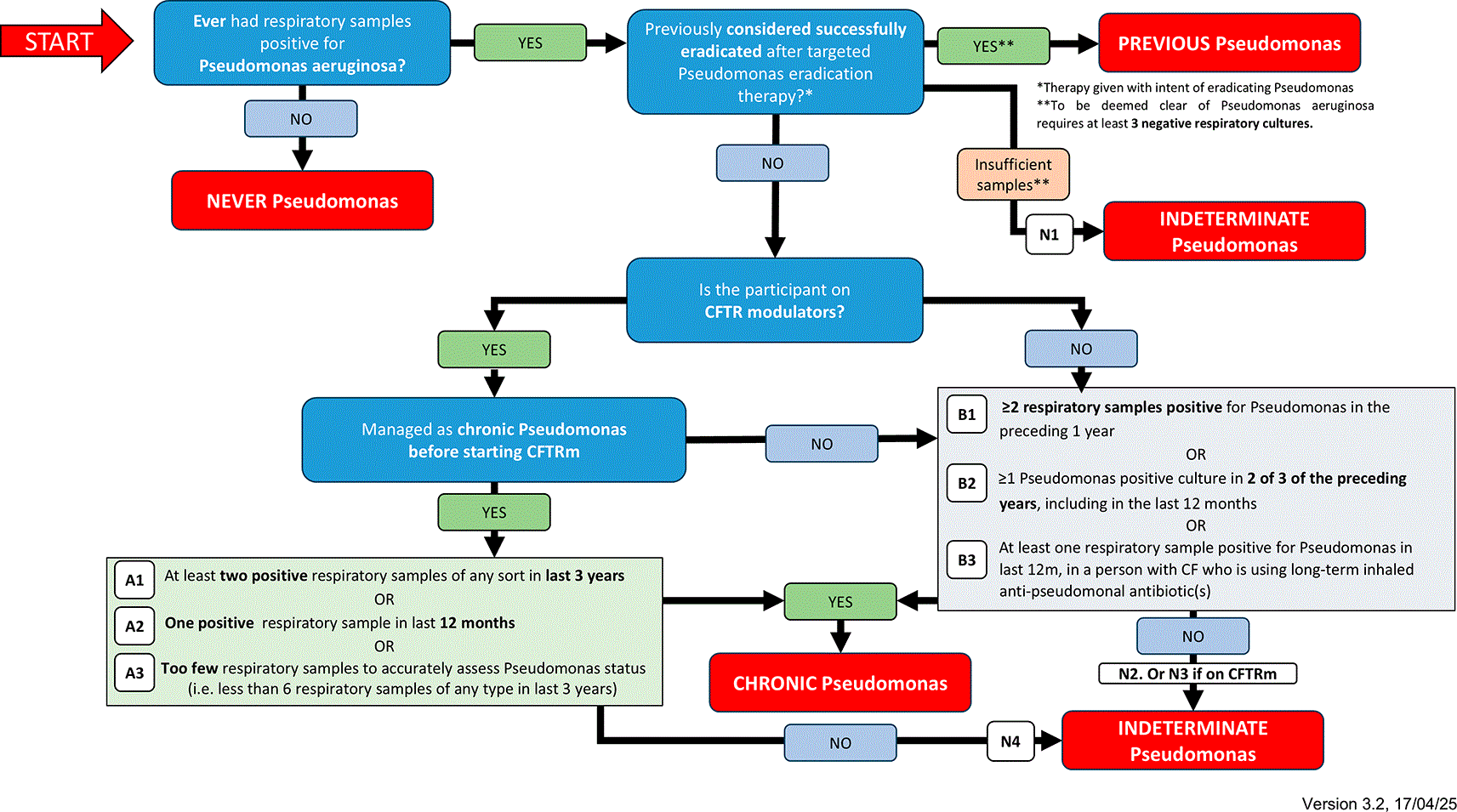
Codes in white boxes (A1 etc) are used to assist understanding of why participants were put into the separate categories.
Optional outcome measures
Environmental parameters
Optional outcome measures will include environmental and behavioural monitoring. Environmental parameters include ambient temperature, relative humidity, nitrogen oxides (NOx), total volatile organic compounds (TVOCs), particulate matter (PM 2.5), and the presence and quantitative load of airborne fungal spores (colony counts).
Sleep monitoring
Optional sleep and activity monitoring will include subjective sleep quality and objective device-derived measures such as sleep duration, regularity, efficiency, and activity metrics.
Sample size was estimated using a previously published CF sputum proteomics dataset from Maher et al.31 Baseline samples in that study were obtained from patients spanning a range of disease severities. Unsupervised clustering of the high-dimensional proteomic data identified three patient subgroups that were independent of disease severity but appeared by be associated with the risk of pulmonary exacerbations: Cluster 1 predominantly comprising patients with mild/moderate disease; Cluster 2 included patients with moderate to severe disease who, in all but one case, did not require IV antibiotics; and Cluster 3 was significantly enriched by patients that required IV antibiotics for an exacerbation within 90 days, with other patients either moderate or severe presentation. Cluster 3 was therefore used as a proxy for patients in close proximity to an exacerbation.
Power calculations were performed comparing Clusters 3 and 2 using the MultiPower package.32 To achieve 80% power at a 5% false discovery rate, 64 samples per group were required. Assuming the presence of three clusters similar to those observed in the reference dataset, this corresponds to a total of 192 participants at baseline.
To ensure enough exacerbation events for analysis – assuming 65% of participants experience at least one exacerbation – we estimate a required sample size of 295 participants. To allow for attrition and contingency, a total of 300 participants will be recruited.
Recruitment to Group A will be across the CF Clinical Trials Accelerator Platform (CTAP) network, a network run by the CF Trust to support research delivery in clinical CF centres. Recruitment to Group B will be recruited from 5 core adult CF centres: Manchester, Leeds, Newcastle, Cardiff, and Liverpool.
Participants will be screened by clinicians and researchers to establish eligibility and will be approached by a member of their direct clinical care team and asked about partaking in research, or if a member of the research team can contact them to discuss the study and provide a patient information sheet.
All clinical and standard laboratory test data will be entered and managed using the REDCap (Research Electronic Data Capture, Vanderbilt University, Nashville, USA) electronic data capture system hosted at the University of Manchester. Data handling procedures will comply fully with the UK General Data Protection Regulation (UK GDPR) and the UK Data Protection Act 2018.
Participants will be assigned a unique study identification number within REDCap. The database will contain study ID codes and date of birth but will not include directly identifying information such as participant names, addresses, or other personal identifiers. A separate, secure linkage file containing identifiable information will be maintained outside the REDCap study database and accessible only to authorised study personnel where required.
Data quality assurance procedures will include routine validation checks, monitoring for missing or inconsistent entries, and review of extreme values. Any data queries or exclusions will be documented and resolved according to the data management plan.
Upon completion of the study, curated datasets and analysis methods will be made available to support transparency and reproducible research, subject to ethical and governance approvals. Metadata will be shared in federated platforms such as the Health Data Research Gateway of Health Data Research UK. The actual clinical and routine laboratory data will be stored within REDCap, where it will remain pseudonymised and will be fully accessible by request. Requests will be reviewed by the Core Management Group, or a delegated representative, prior to data release. Direct participant identifiers, including names, addresses, and full dates of birth, will not be shared. De-identified datasets will be shared under data sharing and data processing agreements that prohibit onward disclosure to third parties and restrict attempts to re-identify participants or link the data with external datasets that could increase identifiability.
Study data will be securely retained within REDCap for up to 15 years following study completion, in accordance with institutional and regulatory requirements.
High-dimensional or heavily multivariate datasets generated during the study, such as those from omics analyses, will be deposited in appropriate public repositories suitable for these data types (e.g. PRIDE, European Nucleotide Archive (ENA), etc.). Publicly released datasets will contain metadata necessary for reuse while maintaining participant confidentiality.
All analysis will be performed using open-source software, primarily the R statistical computing environment. Version control will be implemented using Git to track analytical changes, enable collaborative development, and maintain reproducible workflows. Analysis code and processing pipelines will be made publicly available upon publication to support transparency and reproducibility.
Data quality will be assessed prior to analysis, including evaluation of alternative normalisation approaches to optimise signal detection while minimising technical variability. The extent and mechanisms of missing data will be examined (missing at random, or not at random). Analytical approaches that avoid imputation will be prioritised where feasible; otherwise, appropriate and documented imputation methods will be applied. Data transformation and scaling will be undertaken as required according to data type and distributional characteristics.
Both univariate and multivariate statistical methods will be used to identify candidate biomarkers and explore underlying biological mechanisms. Univariate analyses will employ statistical tests selected according to data distribution, study design, and measurement structure (e.g. longitudinal or independent observations). Results may inform variable selection for composite biomarker development.
Multivariate analyses will include dimensionality reduction (e.g Principal Component Analysis) and clustering approaches (e.g. k-means and hierarchical clustering) to characterise data structure and identify potential patient subgroups. Unsupervised analyses will evaluate whether distinct clusters are associated with differences in exacerbation frequency or severity. Similar approaches will be applied to environmental datasets to investigate relationships between household-level signals and clinical outcomes.
Where appropriate, integrative network and systems biology analyses will be conducted to combine multiple data modalities across samples with complete observations.
As this is an observational study an adverse event in this protocol is defined as any untoward medical occurrence in a patient or clinical investigation that has occurred from research interventions only. Therefore, we will only report adverse events and serious adverse events that relate directly to participation in the study. All adverse events (AEs) and serious adverse events (SAEs) will be recorded on an AE/SAE log in the site file to capture start and end dates. Grading and definition of AEs will be according to the Common Terminology Criteria for Adverse Events (CTCAE), Version 5.0. The core management group will review AEs to ensure that there are no emerging safety concerns related to study delivery. Serious AEs, defined as CTCAE grade 3 or higher, must be reported within 1 working day to the study team in Manchester. Any clinically significant results as part of the research will be shared with the participant’s lead clinician or general practitioner for further action as required.
The Pulse-CF Hub Core Management Group (CMG) have regular study meetings in which this study is reviewed. The CMG meets bimonthly, and the executive committee (steering committee) meets quarterly. The executive committee includes representation from funders, sponsors, and patient and public involvement (PPI). Data meetings, and workstream meetings occur monthly. Additional meetings are arranged as required.
Audit of sites occurs through continuous review of data as well as formal compliance monitoring. Remote compliance monitoring will be conducted after each site recruits its first 5 participants, and subsequently on a quarterly basis. However, if notable errors or issues are repeatedly being raised from centralised and remote monitoring, further study monitoring would be recommended. Monitoring will occur through video call and sharing of documents to confirm maintenance of site files and training logs.
Data entered in REDCap are subject to continuous monitoring for field completion and extreme values. Errors will be raised in real time and consistent errors will be a prompt for formal monitoring or review by the Chief Investigator.
Patients are embedded within the Pulse-CF Hub infrastructure, including our working groups, and Executive (steering) Committees. A patient representative is a Hub co-applicant and member of the Executive Committee. Patients were involved in the development of the clinical research study including the overarching aims, choice of outcomes, consent processes, and structure of the study visits. Patients review all patient facing material. The patient and public involvement groups will continue to support the implementation of this project as well as data interpretation and dissemination in the future.
Trial registration.
ClinicalTrials.gov (NCT06940531). Registered on 15 April 2025. Available at: https://clinicaltrials.gov/study/NCT06940531
This manuscript describes a multicentre, longitudinal observational study, designed to investigate whether pulmonary exacerbations arise from a range of distinct triggers that may be identifiable through enhanced clinical and laboratory assessment. Understanding both susceptibility to exacerbations and the diversity of potential triggers represents an essential prerequisite for developing evidence-based strategies to reduce exacerbation burden and unnecessary antibiotic exposure. At present, knowledge in these areas remains limited, representing a major unmet need in CF care.
A comparable paradigm shift has occurred in chronic obstructive pulmonary disease (COPD), where exacerbations have been shown to cluster into distinct biological phenotypes, including eosinophilic inflammation.33 Recognition of these phenotypes has enabled more targeted treatment approaches, improved corticosteroid use, and supported successful phase 3 trials of new therapeutic classes.34 A similar phenotypic framework may ultimately improve the prevention and management of CF pulmonary exacerbations.
The outcomes of this study aim to improve understanding of the interaction between exacerbation triggers and predisposing factors. Addressing this complexity requires a systems biology approach integrating information on inflammatory pathways, airway infection, immunology, clinical status, and environmental and infectious exposures. A major challenge in studying exacerbations is their unpredictability. Current knowledge is largely derived from patients who have already developed sufficiently severe or prolonged symptoms to seek medical care, limiting insight into early triggering events and introducing subjectivity into exacerbation identification.7–9,21–23,35–42 This approach also excludes milder or self-limiting exacerbations, which are essential for understanding the full spectrum and relative risks of different triggers.
To address these limitations, CF-tracker employs a prospective, longitudinal community surveillance design to capture events earlier, while minimising participant burden. The study was co-developed with patients, CF clinicians, virologists, and multidisciplinary clinical and basic science experts to ensure a detailed yet pragmatic design. It will prospectively evaluate how host factors and infection responses influence exacerbation risk, quantify the risk associated with respiratory viral exposure, and explore the contribution of environmental factors, including airborne pollution, to exacerbation occurrence. An important aid to study delivery is the study app, which provides reminders to participants about returning study samples, as well as providing a link to the study symptom questionnaire that only becomes live during the sample window.
Conducted across five major UK centres and up to 15 additional Adult CF Centres, the study aims to recruit a population reflective of people with CF across the UK. The findings are expected to inform development of a clinical trials platform for interventions targeting prevention and treatment of pulmonary exacerbations. Ultimately, reducing exacerbation burden will likely require multiple therapeutic strategies beyond antibiotics, aligned with the diverse biological causes of exacerbations in this population.
Study recruitment commenced May 2025 and is due to complete in December 2027. Current protocol version 1.4 (29 October 2025).
This study was approved by the East of England - Essex NHS Research Ethics Committee (reference 24/EE/0271) prior to commencing research activities. The study will be conducted in full conformance with the protocol and associated standard operating procedures, all relevant legal requirements, the principles of the Declaration of Helsinki, Good Clinical Practice (GCP) and the UK Policy Framework for Health and Social Care Research 2017.
Protocol amendments will be managed through a structured governance process to ensure transparency, regulatory compliance, and consistency across all participating sites. Decisions to amend the protocol will be made by the Chief Investigator in consultation with the Core Management Group. All substantive amendments will be submitted for review and approval to the appropriate Research Ethics Committee, and relevant regulatory authorities prior to implementation. Version control will be maintained using protocol identifiers, version numbers, and dates, alongside a documented amendment log to ensure the most current protocol is clearly identifiable. Once approved, amendments will be communicated to the wider study team and participating sites via formal written notifications, updated protocol documents, and where necessary, site meetings or training sessions to ensure that all staff understand and implement the changes consistently. Early consideration of potential extenuating circumstances during trial planning will also support the development of pre-approved mitigation strategies where appropriate.
Provide sufficient details of any financial or non-financial competing interests to enable users to assess whether your comments might lead a reasonable person to question your impartiality. Consider the following examples, but note that this is not an exhaustive list:
Sign up for content alerts and receive a weekly or monthly email with all newly published articles
Register with NIHR Open Research
Already registered? Sign in
If you are a previous or current NIHR award holder, sign up for information about developments, publishing and publications from NIHR Open Research.
We'll keep you updated on any major new updates to NIHR Open Research
The email address should be the one you originally registered with F1000.
You registered with F1000 via Google, so we cannot reset your password.
To sign in, please click here.
If you still need help with your Google account password, please click here.
You registered with F1000 via Facebook, so we cannot reset your password.
To sign in, please click here.
If you still need help with your Facebook account password, please click here.
If your email address is registered with us, we will email you instructions to reset your password.
If you think you should have received this email but it has not arrived, please check your spam filters and/or contact for further assistance.

Comments on this article Comments (0)