Keywords
COVID-19 vaccine, inflammatory conditions and vaccine effectiveness

COVID-19 vaccine, inflammatory conditions and vaccine effectiveness
1. Adults with IMIDs prescribed immunosuppressants had COVID-19 hospitalisation and death, even after one or two vaccine doses.
2. Excess risks were present across diseases, drugs, age, and vaccine technology.
3. Highest risk was seen in people prescribed mycophenolate or calcineurin inhibitors, and in those with SLE/connective tissue disease or GCA/vasculitis.
Immune-mediated inflammatory diseases (IMIDs) such as rheumatoid arthritis (RA), inflammatory bowel disease (IBD), psoriasis, and systemic lupus erythematosus (SLE) are common long-term conditions where immunosuppressive medication is a key intervention for maintaining disease control. These drugs can increase susceptibility to infection and have been associated with increased risk of serious outcomes of COVID-19.1,2
In England, the COVID-19 vaccination programme launched on the 8th December 2020 and rapidly expanded through 2021, with UK guidance prioritising primary vaccination and booster doses towards immunosuppressed patients.3 At the time, there was no real-world evidence that immunosuppressed patients could be less likely to benefit from vaccination against COVID-19, and booster vaccinations were administered based on expert opinion. Evidence of magnitude of benefit in immunosuppressed populations was limited because pivotal vaccine efficacy trials excluded immunocompromised participants.4 Subsequent studies evaluated breakthrough infection risk and delineated heterogeneity across different IMIDs and drugs.5,6 A North American study reported increased risk of COVID-19 hospitalisation in vaccinated immunosuppressed compared to immunocompetent individuals but had limited power for COVID-19 hospitalisations and did not evaluate deaths.7
We sought to quantify the health outcomes of people with IMIDs prescribed immunosuppressive drugs following COVID-19 vaccination when compared with a control population. We also explored variation in these outcomes across different IMIDs and immune-suppressing drug classes.
Study setting: We used data from Clinical Practice Research Datalink (CPRD) Aurum. CPRD Aurum is an anonymised, longitudinal database of electronic health records for more than 19 million people.8 Individuals that contribute data to this database are representative of the UK population in terms of age, sex, and ethnicity.9 The data in CPRD Aurum are collected during routine clinical care at general practices in England and include patient demographics, lifestyle factors, diagnoses, test-results, vaccinations, and prescriptions. These data are enhanced by linkage with records on hospitalisation (Hospital Episode Statistics (HES)) and mortality (Office of National Statistics (ONS)).
Approval: This study was approved by the CPRD’s Research Data Governance (protocol: 21_000670), which has an overarching research ethics committee approval for studies using anonymous data (reference 05/MRE04/87). Practices that contributed data to the CPRD consented to using anonymized patient data for approved research projects and additional patient consent is not required prior to individual studies.
Informed consent: Practices that contributed data to the CPRD consented to using anonymized patient data for approved research projects and additional patient consent is not required prior to individual studies. Practices choose to support public health research by sharing pseudonymised, clinically coded data with CPRD. Practices are responsible for notifying their patients that they contribute data to CPRD. Individual patients can choose to opt out of sharing their data for research. Please find here: https://www.cprd.com/protecting-patient-data/collecting-data-research, a detailed explanation of how CPRD handles patient consent.
Participants: Adults aged ≥18 years, registered for at least 1 year in a GP practice contributing data to CPRD Aurum on the 1st of December 2020 and with date linked to HES and ONS databases, and in receipt of at-least one vaccine dose against COVID-19 between the launch of vaccination against COVID-19 in the UK and 31/12/2021 were included.
Exposed: A participant was defined as exposed if they had been diagnosed with either RA, IBD, atopic eczema, psoriasis ± arthritis, ankylosing spondylitis, reactive arthritis, SLE, polymyalgia rheumatica, giant cell arteritis, connective tissue diseases (scleroderma, mixed connective tissue diseases, myositis) or vasculitis and were in receipt of at least one prescription of either methotrexate, thiopurines, mycophenolate, leflunomide, ciclosporin, tacrolimus, sirolimus, sulfasalazine, or 5-aminosalicylates in the 90 days preceding the first COVID-19 vaccination date. Participants prescribed hydroxychloroquine alone were excluded as this drug is not believed to be immunosuppressive.10
Unexposed: Up to five age (±5 years), sex, technology of the first COVID-19 vaccine dose administered and time between 1st December 2020 and first vaccination (±10 days) matched participants without IMID and not prescribed relevant immune suppressing drug in the 90 days before cohort entry (i.e., 1st December 2020), were ascertained for each exposed participant.
Primary outcome was hospitalisation due to COVID-19. Secondary outcomes were [1] death due to COVID-19, [2] primary-care consultation for COVID-19 either clinically diagnosed or test confirmed, [3] primary-care consultation for test confirmed COVID-19.
Primary-care consultation, hospitalisation, and/or death due to burns was included as a negative control outcome, and primary-care consultation, hospitalisation and/or death due to fragility fracture was included as a positive control outcome.
Covariates: To minimise confounding, the following covariates were selected: body mass index (BMI), Charlson’s comorbidity index, ethnicity, deprivation, alcohol intake, smoking, COVID-19 infection prior to vaccination, chronic respiratory disease, ischaemic heart disease, atrial fibrillation, chronic neurological disease, Addison’s disease, asplenia or dysfunction of the spleen, severe mental illness.
CPRD Aurum medical codes were used to ascertain outcomes and covariates in primary-care records, and ICD-10 codes were used to ascertain outcomes in HES and ONS databases respectively (Table S1).
Follow-up after first COVID-19 vaccine dose: Follow-up started from the date of first vaccination against COVID-19 to earliest of date of outcome, transfer out of GP practice, last data collection date from GP practice by CPRD, death, and study end (31/12/2021).
Follow-up after second COVID-19 vaccine dose: In line with the UK vaccination policy for a two-dose primary vaccination course, we ascertained from the matched age, sex, first vaccine technology, and time to first vaccination cohort participants that had received the second dose of COVID-19 vaccine within 12 weeks of the first vaccine dose.11 We restricted the second dose to within twelve weeks following the first dose, and any third dose to be ≥12 weeks after the second dose. Participants with a second dose >12 weeks after the first dose and those with a third dose within 12 weeks of the second dose were excluded. Follow-up started seven days after the date of the second COVID-19 vaccine dose, to allow participants to mount an immune response to primary vaccination, and ended at the earliest of date of third COVID-19 vaccine dose, outcome, transfer out of GP practice, last data collection date from GP practice by CPRD, death, or study end (31/12/2021). Covariates were re-ascertained at seven days after second vaccine dose (date of start of follow-up).
Statistical analysis: Mean (standard deviation (SD)) and n (%) were used for descriptive purposes. Multiple imputation handled missing data on smoking, alcohol consumption, BMI and ethnicity using chained equations. Twenty imputations were carried out in models that included all listed confounders, the exposure, Nelson-Aalen cumulative hazard function, and outcome variables.12
Nelson-Aalen cumulative hazard graphs were plotted for all outcomes. Cox regression was used, after checking that the proportional hazard assumption was met (Table S2). We estimated the hazard ratios (HRs) and 95% CIs for the association between IMIDs and outcomes of interest. As our main study had several outcomes (primary-care diagnosed COVID-19, primary-care diagnosed test-confirmed COVID-19, hospitalisation due to COVID-19, and death due to COVID-19, and one positive control outcome and a negative control outcome, we undertook six separate analyses with the respective outcomes. The analyses were adjusted for BMI (kg/m2), ethnicity (categorised as White (reference), Mixed, Bangladesh/Indian/Pakistan, Black, Chinese/Other Asian, other ethnicity), smoking status (current smoker, ex- smoker, non-smoker), alcohol intake (excess (>21 units/week), moderate (14–21 units/week), low (<14 units/week), and no alcohol intake), practice level socioeconomic deprivation (Index of Multiple Deprivation quintiles),9 and other at-risk conditions that may increase the severity of COVID-19. The latter was defined as presence of either chronic respiratory disease, ischaemic heart disease, atrial fibrillation, chronic neurological disease, Addison’s disease, asplenia or dysfunction of the spleen, or severe mental illness.
To check the validity of results, fragility fractures and burns were considered as positive and negative control outcomes respectively.
Exploratory subgroup analyses: Exploratory subgroup analyses were conducted according to the type of IMIDs, immune-suppressing drugs, oral corticosteroid prescription within preceding 30 days, type of vaccine technology (mRNA vs vectored DNA), COVID-19 infection prior to vaccination, age (<65 years vs ≥65 years), deprivation (IMD quintile 1–2 vs. 3–5), and ethnicity (White vs. non-White). The reference group comprised of all unexposed participants in the respective subgroup. As these were exploratory subgroup analyses, test for interaction was not undertaken.
The above analyses were undertaken in people that had completed the two-dose primary vaccination schedule against COVID-19. Data management and analyses were performed using Stata 18 SE (StataCorp, College Station, TX).
A total of 83,838 adults with IMIDs prescribed immune suppressing drugs, and 356,673 adults without IMIDs in receipt of at least one COVID-19 vaccine dose were included in this study (Figure S1). 90% and 95% of the cohort had their first vaccine dose by the 20th of March and 5th May 2021 respectively. Of these, 70,246 adults with IMIDs and 300,633 without IMID that had completed primary vaccination against COVID-19 were included in the sensitivity analyses (Figure S1 and Table S3).
RA (43.3%), IBD (39.1%), and atopic dermatitis (22.4%) were the most common IMIDs. Sulfasalazine or 5-ASA (47.5%) and methotrexate (42.9%) were the most prescribed immune-suppressing drugs ( Table 1).
| Matched adults with no IMID (n = 356,673) | Immunosuppressed adults with IMID (n = 83,838) | |
|---|---|---|
| Continuous covariates | ||
| Age (years); mean (SD) | 59.91 (16.3) | 59.90 (16.1) |
| BMI; mean (SD) | 28.17 (6.3) | 27.98 (6.3) |
| Missing BMI; n (%) | 28,306 (7.9) | 4322(5.2) |
| Categorical covariates, n (%) | ||
| Sex | ||
| Male | 149,293 (41.9) | 34,576 (41.2) |
| Female | 207,380 (58.1) | 49,262 (58.8) |
| Ethnicity | ||
| White | 276,937 (77.6) | 70,734 (84.4) |
| Mixed | 19,470 (5.5) | 2,871 (3.4) |
| Bangladesh\Indian\Pakistan | 11,687 (3.3) | 3,920 (4.7) |
| Black | 7,038 (2.0) | 1,290 (1.5) |
| Chinese\Other Asian | 4,391 (1.2) | 1,251 (1.5) |
| Other | 4,194 (1.2) | 949 (1.1) |
| Missing | 32,956 (9.2) | 2,823 (3.4) |
| Index of multiple deprivation | ||
| 1 (least deprived) | 63,220 (17.7) | 15,832 (18.9) |
| 2 | 61,064 (17.1) | 14,934 (17.8) |
| 3 | 76,042 (21.3) | 18,092 (21.6) |
| 4 | 74,655 (20.9) | 17,167 (20.5) |
| 5(most deprived) | 79,619 (22.3) | 17,338 (20.7) |
| Missing | 2,073 (0.6) | 475 (0.6) |
| Smoking status | ||
| Non-smoker | 209,069 (58.6) | 44,730 (53.4) |
| Current smoker | 45,849 (12.9) | 9,454 (11.3) |
| Ex-smoker | 97,825 (27.4) | 29,178 (34.8) |
| Missing | 3,930 (1.1) | 476 (0.6) |
| Alcohol intake | ||
| Non-drinker | 58,101 (16.3) | 16,680 (19.9) |
| Low (<14 units/week) | 160,824 (45.1) | 36,363 (43.4) |
| Moderate (14–21 units/week) | 21,682 (6.1) | 4,481 (5.3) |
| Excess (> 21 units/week) | 28,088 (7.9) | 5,523 (6.6) |
| Former drinker | 45,118 (12.7) | 12,691 (15.1) |
| Missing | 42,860 (12.0) | 8,100 (9.7) |
| Charlson’s comorbidity index | ||
| 0 | 234,419 (65.7) | 25,471 (30.4) |
| 1 | 27,249 (7.6) | 30,374 (36.2) |
| 2 | 42,837 (12.0) | 7,397 (8.8) |
| 3 | 25,357 (7.1) | 9,225 (11.0) |
| ≥4 | 26,811 (7.5) | 11,371 (13.6) |
| Clinical risk groups | ||
| Chronic respiratory disease | 4,498 (1.3) | 2,707 (3.2) |
| Ischaemic heart disease | 26,456 (7.4) | 7,097 (8.5) |
| Atrial fibrillation | 20,308 (5.7) | 5,140 (6.1) |
| Chronic neurological disease | 12,734 (3.6) | 2,296 (2.7) |
| Addison’s disease | 207 (0.1) | 89 (0.1) |
| Asplenia or dysfunction of the spleen | 3,739 (1.1) | 847 (1.0) |
| Severe mental illness | 3,278 (0.9) | 607 (0.7) |
| COVID-19 prior to vaccination | ||
| No | 341,785 (95.8) | 79,906 (95.3) |
| Yes | 14,888 (4.2) | 3,932 (4.7) |
| Primary care consultation or hospitalisation with COVID-19 prior to vaccination | ||
| No | 341,785 (95.8) | 79,906 (95.3) |
| Yes | 14,888 (4.2) | 3,932 (4.7) |
| Hospitalisation with COVID-19 prior to vaccination1 | ||
| No | 335,763 (98.4) | 76,902 (96.5) |
| Yes | 5,492 (1.6) | 2,756 (3.5) |
| Corticosteroid use | ||
| No | 353,216 (99.0) | 77,259 (92.2) |
| Yes | 3,457 (1.0) | 6,579 (7.9) |
| Vaccine technology | ||
| mRNA vaccine | 35,464 (42.3) | 152,221 (42.7) |
| Vectored DNA vaccine | 48,374 (57.7) | 204,452 (57.3) |
| Inflammatory disease type2 | ||
| Rheumatoid arthritis | −/− | 36,256 (43.3) |
| Polymyalgia rheumatica | −/− | 3,908 (4.7) |
| Systemic lupus erythematosus | −/− | 1,934 (2.3) |
| Reactive arthritis | −/− | 607 (0.7) |
| Connective tissue diseases | −/− | 1,875 (2.2) |
| Giant cell arteritis | −/− | 975 (1.2) |
| Ankylosing spondylitis | −/− | 1,378 (1.6) |
| Psoriatic arthritis | −/− | 8,546 (10.2) |
| Vasculitis | −/− | 2,174 (2.6) |
| Psoriasis | −/− | 12,592 (15.0) |
| Atopic eczema | −/− | 18,774 (22.4) |
| Inflammatory bowel disease | −/− | 32,739 (39.1) |
| Immune-suppressive drugs 3 | ||
| Methotrexate | −/− | 35,952 (42.9) |
| Azathioprine or 5-mercaptopurine | −/− | 11,440 (13.7) |
| Sulfasalazine or 5-acetyl salicylates | −/− | 39,825 (47.5) |
| Tacrolimus | −/− | 424 (0.5) |
| Sirolimus | −/− | 17 (0.02) |
| Ciclosporin | −/− | 478 (0.6) |
| Mycophenolate mofetil | −/− | 1,911 (2.3) |
| Leflunomide | −/− | 3,219 (3.8) |
Immune-suppressed people with IMIDs were more often of White ethnicity (84.4% vs 77.6%), ex-smoker (43.8% vs 27.4%), ex- alcohol drinker (19.9% vs 16.3%), prescribed corticosteroids (7.9% vs 1.0%), with Charlson’s comorbidity index ≥4 (13.6% vs 7.5%) and hospitalised with COVID-19 prior to receiving COVID-19 vaccine (3.5% vs 1.6%) than people without IMIDs ( Table 1).
During the follow-up period, the incidence rate of hospitalisation due to COVID-19, death due to COVID-19, primary-care consultation for COVID-19 (regardless of COVID-19 test result), and primary care consultation for test positive COVID-19 was higher in people with IMIDs than in those without IMIDs at 43.76 vs. 20.33, 5.85 vs 3.05, 75.94 vs 70.29, and 68.95 vs 65.29 per 1,000 person years respectively ( Table 2). Similarly, the incidence rate of fragility fractures (positive control outcome) was higher in people with IMIDs than those without IMIDs (31.92 vs 21.08 per 1,000 person years). The excess risk for COVID-19 outcomes and the positive control outcome mostly originated during the last 2–3 months of follow-up (Figure S2–5). There was no difference in the incidence rate of burns (negative outcome) in people with and without IMIDs (Figure S6).
| Immunosuppressed IMID | Events | Person-time (years) | Event rate (95% CI)/1000 person-years | Model 11 HR (95% CI) | Model 22 HR (95% CI) | Model 33 HR (95% CI) | |
|---|---|---|---|---|---|---|---|
| Follow-up after 1 st vaccine dose administered | |||||||
| Hospitalised due to COVID-19 | No | 5461 | 268662 | 20.33 (19.80–20.87) | 1 | 1 | 1 |
| Yes | 2746 | 62749 | 43.76 (42.16–45.43) | 2.16 (2.06–2.26) | 1.67 (1.59–1.75) | 1.66 (1.58–1.75) | |
| Death due to COVID-19 | No | 819 | 268948 | 3.05 (2.84–3.26) | 1 | 1 | 1 |
| Yes | 368 | 62871 | 5.85 (5.28–6.48) | 1.96 (1.73–2.21) | 1.46 (1.28–1.66) | 1.44 (1.27–1.64) | |
| Primary-care consultation for COVID-19 (either clinical or test positive) | No | 19333 | 275033 | 70.29 (69.31–71.29) | 1 | 1 | 1 |
| Yes | 4908 | 64627 | 75.94 (73.85–78.10) | 1.08 (1.04–1.11) | 1.07 (1.03–1.11) | 1.07 (1.03–1.11) | |
| Primary-care consultation for COVID-19 (test positive) | No | 17989 | 275538 | 65.29 (64.34–66.25) | 1 | 1 | 1 |
| Yes | 4466 | 64777 | 68.95 (66.95–71.00) | 1.05 (1.02–1.09) | 1.06 (1.02–1.09) | 1.05 (1.01–1.09) | |
| Positive control outcome | |||||||
| Primary care consultation or hospitalization or death due to osteoporotic fractures | No | 5644 | 267727 | 21.08 (20.54–21.64) | 1 | 1 | 1 |
| Yes | 1992 | 62416 | 31.92 (30.54–33.35) | 1.53 (1.46–1.61) | 1.31 (1.24–1.38) | 1.30 (1.23–1.38) | |
| Negative control outcome | |||||||
| Primary care consultation or hospitalisation or death due to burns | No | 525 | 268778 | 1.95 (1.79–2.13) | 1 | 1 | 1 |
| Yes | 151 | 62817 | 2.40 (2.05–2.82) | 1.23 (1.02–1.47) | 1.10 (0.90–1.34) | 1.11 (0.92–1.36) | |
| Follow-up after 2 nd vaccine dose administered | |||||||
| Hospitalised due to COVID-19 | No | 1066 | 147968 | 7.20 (6.78–7.65) | 1 | 1 | 1 |
| Yes | 511 | 33391 | 15.30 (14.04–16.69) | 2.16 (1.94–2.40) | 1.64 (1.47–1.83) | 1.60 (1.43–1.79) | |
| Death due to COVID-19 | No | 70 | 148179 | 0.47 (0.37–0.59) | 1 | 1 | 1 |
| Yes | 34 | 33486 | 1.02 (0.73–1.42) | 2.21 (1.47–3.33) | 1.46 (0.96–2.21) | 1.42 (0.93–2.17) | |
| Primary-care consultation for COVID-19 (either clinical or test positive) | No | 13916 | 151539 | 91.83 (90.32–93.37) | 1 | 1 | 1 |
| Yes | 3322 | 34442 | 96.74 (93.51–100.08) | 1.09 (1.05–1.14) | 1.10 (1.06–1.14) | 1.09 (1.05–1.14) | |
| Primary-care consultation for COVID-19 (test positive) | No | 13148 | 151704 | 86.67 (85.20–88.16) | 1 | 1 | 1 |
| Yes | 3083 | 34488 | 89.39 (86.29–92.61) | 1.07 (1.03–1.11) | 1.08 (1.03–1.12) | 1.07 (1.03–1.12) |
2 Adjusted for age, sex, BMI, Charlson’s comorbidity index, ethnicity, deprivation, alcohol intake, smoking, and COVID-19 infection prior to vaccination
3 Adjusted for age, sex, BMI, Charlson’s comorbidity index, ethnicity, deprivation, alcohol intake, smoking, COVID-19 infection prior to vaccination, chronic respiratory disease, ischaemic heart disease, atrial fibrillation, chronic neurological disease, Addison’s disease, asplenia or dysfunction of the spleen, severe mental illness
After controlling for confounding, people with IMIDs were more likely to be hospitalised due to COVID-19, die due to COVID-19, consult in primary care for COVID-19 (either clinical or test positive), and consult in primary care for test positive COVID-19, compared to people without IMIDs with aHR (95% CI): 1.66 (1.58–1.75), 1.44 (1.27–1.64), 1.07 (1.03–1.11), and 1.05 (1.01–1.09) respectively ( Table 2).
In stratified analyses, there was clinically important heterogeneity across subgroups (Table S4). Across IMID types, the largest likelihood of hospitalisation due to COVID-19 was observed in SLE/other connective-tissue diseases (aHR: 2.70, 95% CI: 2.26–3.23) and GCA/vasculitis (aHR 2.34, 95% CI: 1.97–2.78). The increased likelihood of death due to COVID-19 was not statistically significant in IBD, polymyalgia rheumatica, psoriasis (+/− arthritis) and spondyloarthritis ( Figure 1A, Table S4).
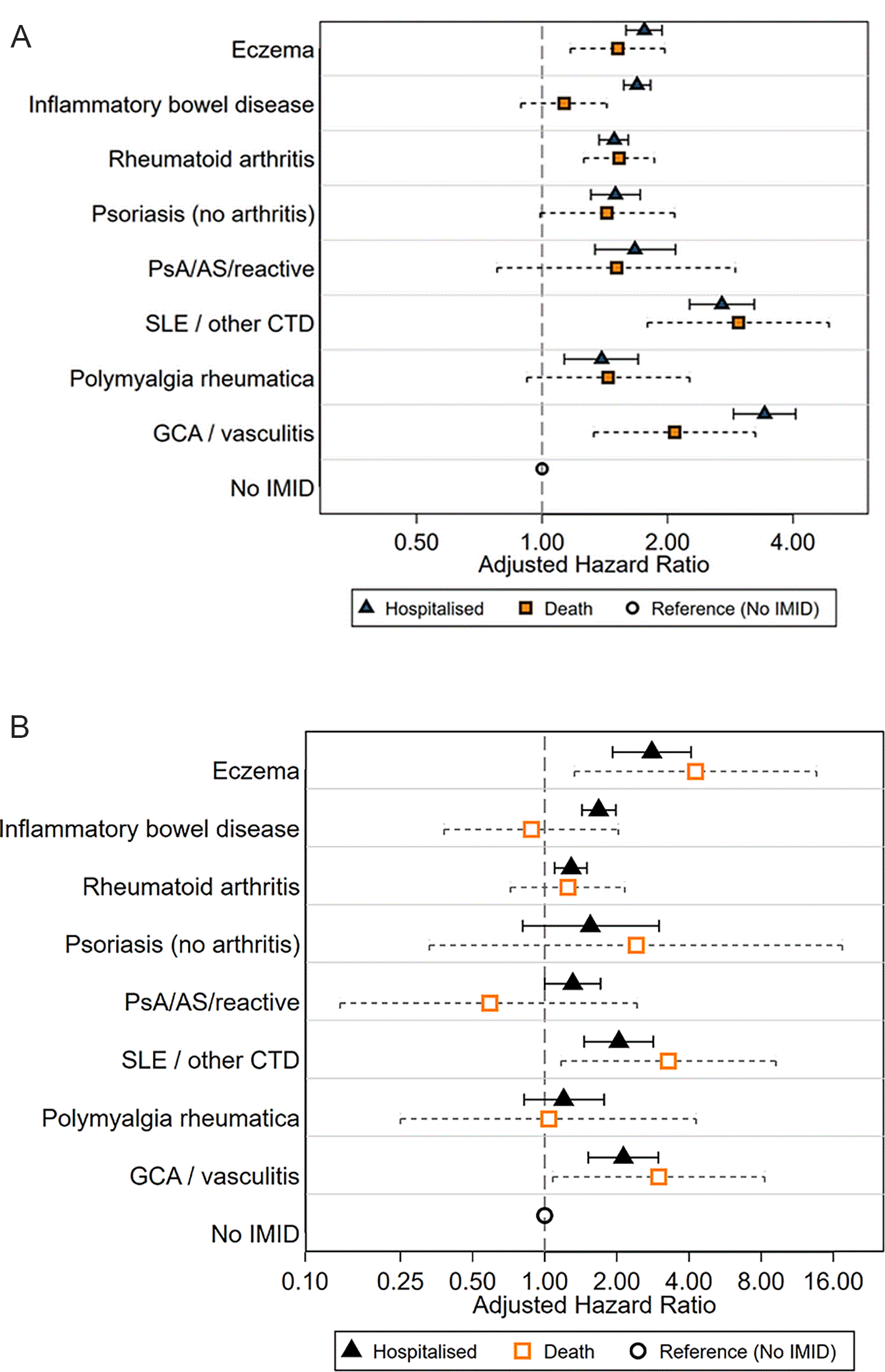
B) Forest plot displaying hazard ratios for combined COVID hospitalisation and death, stratified by IMID in cohort followed up from second vaccine dose administration. All HRs are plotted on a logarithmic scale, such that equal spacing reflects proportional differences in risk. A HR of 1.0 represents no difference relative to the reference category - adults with no IMID diagnosis.
By drug class, the largest point estimate was observed in patients prescribed calcineurin inhibitors or mycophenolate (aHR (95% CI) hospitalisation 3.81 (3.33–4.37); death 4.38 (3.02–6.36); Figure 2A, Table S4).
B) Forest plot displaying hazard ratios for combined COVID hospitalisation and death, stratified by ISD in cohort followed up from second vaccine dose administration. All HRs are plotted on a logarithmic scale, such that equal spacing reflects proportional differences in risk. A HR of 1.0 represents no difference relative to the reference category - adults with no IMID diagnosis.
Increased likelihood of hospitalisation due to COVID-19 also persisted regardless of age group, vaccine type and COVID-19 prior to vaccination and in individuals without a prescription of oral corticosteroids. The likelihood of hospitalisation due to COVID-19 was increased in both White (aHR 1.63, 95% CI: 1.55–1.72) and non-White groups (aHR 2.10, 95% CI: 1.76–2.51) (Table S4). The likelihood of hospitalisation due to COVID-19 was increased in both the first two IMD quintiles (aHR 1.68, 95% CI: 1.55–1.83) and the last three quintiles (aHR 1.65, 95% CI: 1.55–1.75). Estimates for death due to COVID-19 were less precise across ethnicity and deprivation strata, with very few deaths in the non-White group (Table S4). Similar results were observed for the likelihood of death among people aged 65 or older, without oral corticosteroid prescription or prior COVID-19 but the association in people younger than 65 years, with a corticosteroid prescription within 30 days and a diagnosis of COVID-19 prior to the first vaccine dose lacked statistical significance ( Figure 3A, Table S4 and S5).
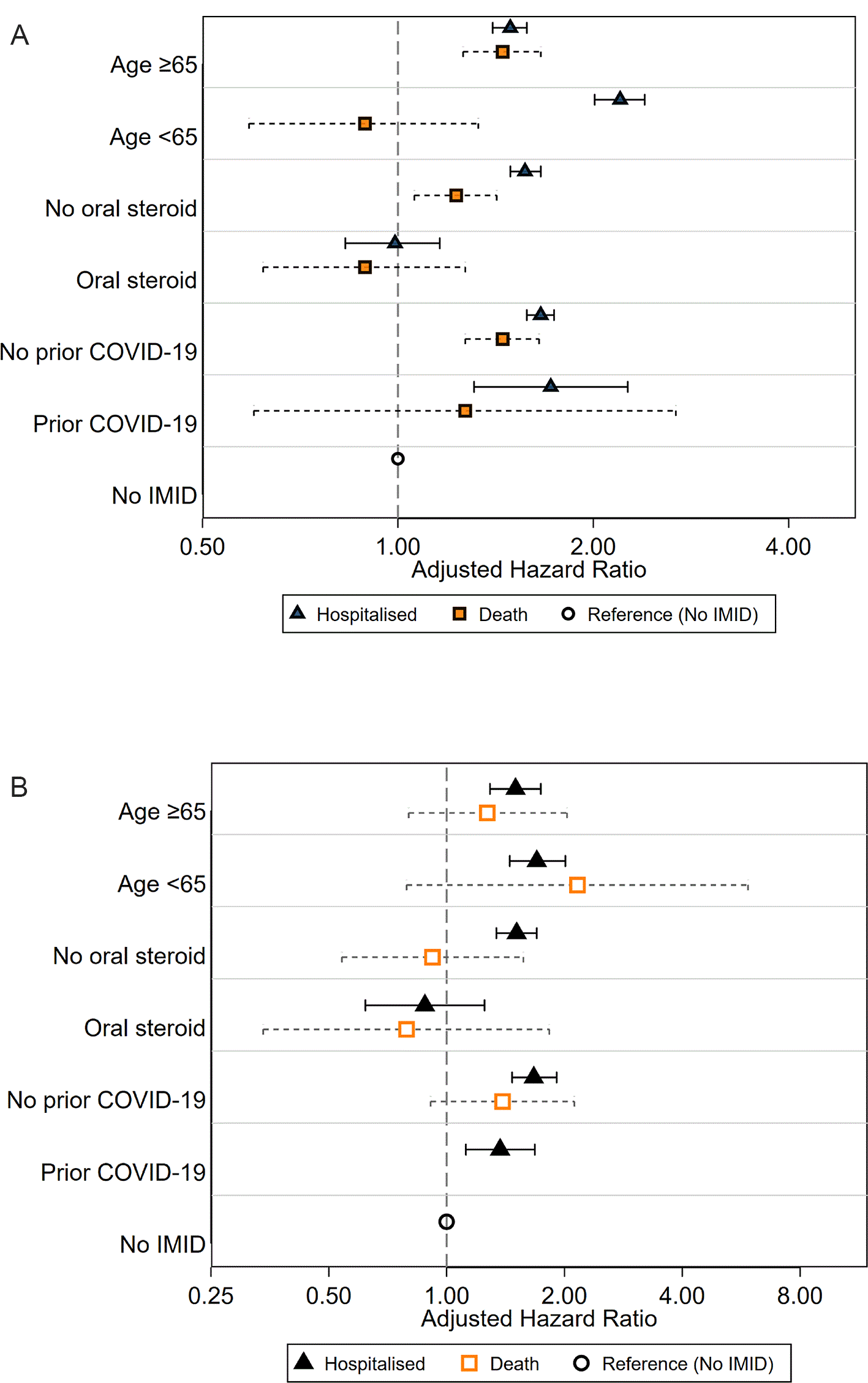
B) Forest plot displaying hazard ratios for combined COVID hospitalisation and death, stratified by age, oral steroid usage, and prior COVID-19 infection in cohort followed up from second vaccine dose administration. All HRs are plotted on a logarithmic scale, such that equal spacing reflects proportional differences in risk. A HR of 1.0 represents no difference relative to the reference category - adults with no IMID diagnosis. Note that there is no plotted estimate for death in those with prior COVID-19 due to lack of events.
In the cohort of individuals that completed a two-dose primary vaccination course, hospitalisation due to COVID-19 remained significantly higher in people with IMIDs compared to those without IMIDs (15.30 vs 7.20 per 1,000 person-years; aHR 1.60, 95% CI: 1.43–1.79). Death due to COVID-19 was also higher in individuals with IMIDs (1.02 vs 0.47 per 1,000 person-years), although this association lacked statistical significance (aHR 1.42, 95% CI: 0.93–2.17) ( Table 2).
In this cohort, results from the stratified analyses were broadly similar to those in individuals with at least one vaccine dose. The likelihood of hospitalisation due to COVID-19 was increased regardless of IMID type, with highest estimates in GCA/vasculitis (aHR 2.13, 95% CI: 1.52–2.98) and SLE/other connective-tissue diseases (aHR 2.04, 95% CI: 1.46–2.84). Statistically significant increase in death due to COVID-19 was observed in only CTDs, GCA/vasculitis and eczema ( Figure 1B, Table S6). The increased risk of hospitalisation was observed across most drug types with high point estimate for calcineurin inhibitors or mycophenolate (aHR 2.95; 95% CI 2.13–4.09), but the risk of death lacked statistical significance for all drug types except calcineurin inhibitors or mycophenolate ((aHR 8.43; 95% CI 3.96–17.97), Figure 2B, Table S6). The likelihood of hospitalisation due to COVID-19 was increased regardless of age group, prior COVID-19, in people without a corticosteroid prescription and vaccine type ( Figure 3B, Tables S6 and 7). The likelihood of hospitalisation due to COVID-19 remained increased in both White (aHR 1.56, 95% CI 1.39–1.76) and non-White groups (aHR 1.89, 95% CI 1.34–2.68) (Table S6). Similarly, increased likelihood of hospitalisation due to COVID-19 was observed in both the first two IMD quintiles (aHR 1.77, 95% CI 1.45–2.17) and the last three quintiles (aHR 1.51, 95% CI 1.33–1.73) (Table S6). There was no difference in death due to COVID-19 by ethnicity or death as estimates were imprecise and lacked statistical significance. In individuals prescribed corticosteroids 30 days prior to vaccination, there was no statistically significant association between IMID and hospitalisation with COVID-19 (aHR 0.88, 95% CI 0.62–1.26) ( Figure 3B, Tables S7). The association between IMID and death due to COVID-19 lacked statistical significance irrespective of age group, oral corticosteroid prescription, vaccine type and in individuals without COVID-19 prior to vaccination. It was not possible to assess the risk of death associated with IMID in individuals with prior COVID-19 due to very few events (< 5 deaths) ( Figure 3B, Tables S6 and 7).
In this large, primary-care based matched cohort study, we found that people with IMIDs prescribed glucocorticoid sparing immune-suppressive drugs and vaccinated with at least one COVID-19 vaccine dose were at an increased risk of hospitalisation with COVID-19, death due to COVID-19, and primary care consultation for COVID-19 compared to those without IMIDs. This increased risk was present regardless of technology of the vaccine, age, ethnicity, deprivation and type of IMID. It was greater in those with SLE or other connective-tissue diseases, GCA or vasculitis, and in those prescribed calcineurin inhibitors and mycophenolate. In individuals who completed a two-dose primary vaccination course, the increased risk of primary care consultation for COVID-19, hospitalisation with COVID-19 persisted but there was no evidence of increased risk of death due to COVID-19 except among those prescribed calcineurin inhibitors or mycophenolate.
These findings are supported by immunogenicity studies which have shown lower seroconversion rates after COVID-19 vaccination in immunocompromised patients compared to immunocompetent controls.13 For instance, in a large prospective cohort, there were significantly lower neutralising antibody titres six months after COVID-19 booster vaccination in individuals that were immunosuppressed compared with the general population.14 Lower COVID-19 vaccine effectiveness has previously been reported in patients with immunosuppression than in those without immunosuppression at 59.2% vs. 91.3%.13–15
Our findings are consistent with those of Shen et al., who examined vaccine effectiveness in immunosuppression using a Michigan electronic health database. The outcome effect size in Shen et al study is higher than in our study but with wide confidence intervals due to few events. In addition, Shen et al. did not evaluate COVID-19 mortality, and their definition of immunosuppression was based on medication exposure alone. These differences mean the effect estimates are not directly comparable yet nonetheless, the findings are complementary and suggest that despite primary vaccination, residual risk persists for COVID-19 infection, hospitalisation and death.7 Similarly, in a Dutch cohort, higher comorbidity burden was associated with lower COVID-19 vaccine effectiveness.16
In our study, there was no difference in the risk of death due to COVID-19 in people with IBD compared to those without IMID. This finding was in line with previous evidence of low rates of severe breakthrough disease after vaccination in IBD, with risk largely concentrated to populations prescribed stronger therapies such as anti-TNF or monoclonal antibody therapy.17,18 In a previous study, among people who received at least one dose of SARS-CoV-2 vaccine between December 10, 2020, and September 16, 2021, in the USA, RA was associated with 20% increased risk of COVID-19 contracted on after the 14th day of vaccination compared to people without RA.19 Our study extends their findings and reports 49% and 53% increased risk of hospitalisation and death with COVID-19 respectively among people with RA compared to people without IMIDs.
We found higher risk of hospitalisation and death due to COVID-19 in patients prescribed mycophenolate and calcineurin inhibitors. Similar findings have been reported in the US,20 and for other drugs including Rituximab.21 Large excess risk was also observed in SLE/connective-tissue diseases and GCA/vasculitis, conditions usually treated with strong immune suppressing drugs.
Our finding that the risk of hospitalisation with COVID-19 outcomes in adults with IMIDs who completed the primary course of vaccination was increased irrespective of age, history of COVID-19 prior to vaccination and vaccine technology compared to people without IMIDs suggest that attenuated immune response, rather than demographic factors or vaccine characteristics underlies much of the residual susceptibility. Therefore, it is imperative to implement interventions that optimise immune response in people with immunosuppression. For example, randomised controlled trials have shown that a 2-week interruption of methotrexate treatment immediately after COVID-19 booster vaccination enhance the S1-RBD antibody response.2,22,23
Our findings extend real-world evidence and support policy decisions to prioritise vaccination of immunosuppressed patients by quantifying post-vaccination risk in patients with IMIDs using primary care, hospitalisation, and mortality data and by providing stratified estimates across diseases, drug classes, age, and vaccine platform.
Our study is strengthened by using CPRD, a large generalisable dataset of routine primary care records from patients treated within the National Health Service. CPRD has been widely used in medical research and has high validity for diagnoses of IMIDs. We ascertained a large cohort of patients with a range of common IMIDs age and sex matched to contemporaneous patients from the general population, enabling robust comparison. Vaccinations are delivered in primary-care in the UK and are recorded in the CPRD. We ascertained death or hospitalisation using ICD-10 codes recorded in hospitalisation and mortality records, which are obtained from hospital discharge summaries and death certification, respectively. These documents are both completed by doctors in the UK and therefore are deemed to have high validity. Lastly, our analysis was conducted with rigorous adjustment for confounding variables, with multiple imputation applied to account for missing data on a few confounders (BMI, smoking, alcohol, and ethnicity). The lack of association with burns as a negative control outcome and the expected positive association with fragility fracture support internal validity and point towards a low level of residual confounding.
However, the limitations of our study ought to be considered when interpreting its findings. Firstly, since biologics are only prescribed in hospitals and not recorded in CPRD we could not account for their usage or adequately estimate vaccine effectiveness for patients on biologics. Due to the potent immunosuppressive effect of these drugs, it is likely that we are underestimating any drug-class gradient in reduction of vaccine effectiveness. Secondly, while we adjusted analyses for several key confounding variables, unmeasured confounding may have influenced vaccine effectiveness estimates. Thirdly, we assumed data would be missing at random when conducting imputation. It is possible that missing data was not random and could be explained using variables outside of our imputation model. Fourth, we were unable to conduct stratified analyses for characteristics such as ethnicity due to limited statistical power and similarly estimates for rarer IMIDs such as vasculitis are not sufficiently powered to identify differences. Lastly, since our study only reports follow-up data until 31st December 2021, we are unable to comment on the effectiveness of vaccinations beyond this point so our estimates should be considered alongside contemporary evidence in later years.
In conclusion, people with IMIDs prescribed immunosuppressive drugs are at an increased risk of severe COVID-19 outcomes despite having either a single dose of the COVID-19 vaccine or completing the two-dose primary vaccination schedule. Greater risk was evident for some conditions and drugs. However, the substantial evidence of the effectiveness of COVID-19 vaccines in people with immunosuppression, underscores that vaccination offers considerable advantage and regular boosters should be promoted in this at-risk group.24–26 These data justify the decision to offer periodic booster vaccinations to immunosuppressed patients.
AA reports personal fees from UpToDate, Eli Lilly, Novartis, Alesta, and SOBI outside the submitted work. JSN-V-T was seconded to the Department of Health and Social Care, England (DHSC) from 2017–2022 wherein he advised on vaccination policies. The views expressed in this manuscript are those of its authors and not necessarily those of DHSC or its agencies or independent advisory bodies. JSN-V-T has subsequently undertaken paid consultancy and/or paid lecturing for the following companies: AstraZeneca, Avanzanite, Gilead, GlaxoSmithKline, Moderna, Novavax, Pfizer, Pharmajet, Roche, Sanofi, Seqirus, Shionogi, StablePharma, Takeda, Vietnam Vaccines Corporation.
HCW, MJG, NSK, TC, CMD and GN declare no competing interests.
This study was shaped by questions from immunosuppressed people with inflammatory conditions who sought evidence on the safety of COVID-19 vaccination. We worked with these patients to agree how study findings would be shared, including the modes of dissemination. A PPI representative from the Nottingham NIHR-BRC-MSK-PPI group is a member of the study team and serves on the steering committee, providing ongoing input throughout the project.
Provide sufficient details of any financial or non-financial competing interests to enable users to assess whether your comments might lead a reasonable person to question your impartiality. Consider the following examples, but note that this is not an exhaustive list:
Sign up for content alerts and receive a weekly or monthly email with all newly published articles
Register with NIHR Open Research
Already registered? Sign in
If you are a previous or current NIHR award holder, sign up for information about developments, publishing and publications from NIHR Open Research.
We'll keep you updated on any major new updates to NIHR Open Research
The email address should be the one you originally registered with F1000.
You registered with F1000 via Google, so we cannot reset your password.
To sign in, please click here.
If you still need help with your Google account password, please click here.
You registered with F1000 via Facebook, so we cannot reset your password.
To sign in, please click here.
If you still need help with your Facebook account password, please click here.
If your email address is registered with us, we will email you instructions to reset your password.
If you think you should have received this email but it has not arrived, please check your spam filters and/or contact for further assistance.

Comments on this article Comments (0)