Keywords
Invasive ventilation, acute respiratory distress syndrome, tidal volume, driving pressure, systematic review

Invasive ventilation, acute respiratory distress syndrome, tidal volume, driving pressure, systematic review
There are few interventions that improve clinical outcomes in patients receiving invasive mechanical ventilation.1–3 One such intervention is the use of a low-tidal volume ventilation strategy. The landmark ARMA trial showed in adults with acute respiratory distress syndrome (ARDS) that a lower tidal volume ventilation strategy, which involved an initial tidal volume of 6 ml/kg ideal body weight and plateau pressure < 30 cmH2O reduced hospital mortality.2 This clinical benefit is likely driven by the avoidance of lung injury associated with high ventilatory pressures.4
The opportunity to improve outcomes through minimisation of ventilator-induced lung injury has driven interest in other ventilation strategies that aim to further minimise tidal volumes (ultra-low tidal volumes [ULTV]) and associated pressures beyond those used in the ARMA trial. A parallel strategy is through minimising driving pressure, which has been associated with reduced mortality in observational studies.5 These two interventions might however drive harm through mechanisms such as respiratory acidosis and their effect may be influenced by lung mechanics.6
Our recent scoping review summarised all the evidence underpinning key innovative ventilation technologies. We identified an expanding body of evidence in relation to ventilatory strategies that target ultra-low tidal volumes or the minimisation of driving pressure, and a lack of recent high-quality systematic reviews or that reviews typically focused on a specific technology.7,8 On this basis, we undertook a systematic review and meta-analysis to evaluate the clinical and cost-effectiveness of a ventilatory strategy that targets ultra-low tidal volumes or minimises driving pressure, compared with standard care, in adults and children receiving invasive mechanical ventilation on an intensive care unit.
This review forms part of a larger evidence synthesis project exploring innovative ventilation technologies in the intensive care unit.9 Through that larger project, individuals with personal experience of adult and paediatric intensive care participated in an expert advisory group, which informed the decision to undertake this review and provided advice on scope and outcomes. One patient and public representative provided detailed advice throughout the conduct of the review and co-authors this manuscript.
The review protocol was prospectively registered on the International Prospective register of Systematic Reviews (PROSPERO) and funded by the National Institute for Health and Care Research, (CRD42024554619).9 This manuscript is written in line with the PRISMA (preferred reporting items for systematic reviews and meta-analyses) statement guidelines.10 A completed checklist is included in the supplementary materials.
We included parallel group and cluster randomised controlled trials that evaluated the clinical effectiveness of a ventilatory strategy that primarily targeted either ULTV (including apnoeic ventilation) or the minimisation of driving pressure in adults (18-years or above) or children (one-month to 17-years) receiving invasive mechanical ventilation on an intensive care unit. We defined an ULTV strategy as one that targeted a tidal volume of 4 ml/kg predicted body weight (PBW) or less. We did not define a specific target for driving pressure. For health economic studies, we additionally included full economic evaluations (for example, cost-benefit, cost-effectiveness, cost-utility and cost-consequence analyses). Grey literature, including studies published only as abstracts and research letters were eligible for inclusion.
Our primary clinical outcome was duration of invasive mechanical ventilation. Secondary clinical outcomes included length of stay (ICU, hospital); Mortality (ICU, 28-day), health-related quality of life, ventilator-free days (28- or 30-days), reintubation rate, intervention efficacy (tidal volume, driving pressure, mechanical power), and clinically important adverse events. Our economic outcomes were costs and quality-adjusted life years gained, and incremental cost-effectiveness ratios. Our outcomes align with the core outcome set for critical care ventilation trials.11
We searched MEDLINE (Ovid), Embase (Ovid), Cochrane Library, Science Citation Index and Conference Proceedings Citation Index- Science (Web of Science), CEA Registry, and Dissertations & Theses Global database (ProQuest) in October 2025, with no limits on publication date or language. The search strategy was iteratively developed by an information specialist. We sought additional relevant citations through engagement with clinical experts and searches of ClinicalTrials.gov, Google.co.uk (targeted searching), and the reference lists of key relevant reviews and included studies. Full details of the search are included in the supplementary materials.
Records retrieved from electronic database searches and other sources were imported to EndNote and then de-duplicated. The remaining records were uploaded to Rayyan review management software. The review of titles and abstracts was independently conducted by two reviewers. Full texts of each eligible article were then obtained and independently evaluated by the same two reviewers. In cases of disagreement, the two reviewers reached consensus through discussion.
Data were extracted to an Excel spreadsheet by one reviewer and then checked for accuracy by another reviewer. Discrepancies were resolved through discussion. Extracted data included study design and setting, details of the intervention and comparator group, outcomes and timepoint/method of assessment, patient characteristics, and reporting of key demographic information based on PROGRESS-PLUS criteria.12 For economic studies, we additionally extracted details of methods (e.g., type of economic analysis), results and other key information (e.g., source of funding). We highlight cases where a completed trial has not been published. For trials that reported continuous outcomes as median and interquartile range, we estimated the mean and standard deviation using the approach described by Wan and colleagues.13
For duration of mechanical ventilation, we preferentially extracted data for all patients (both survivors and non-survivors) in line with the core outcome set for ventilation studies.11 For the outcome of 28-day mortality, we used mortality data at similar time-points (30-day or hospital), where a study did not report 28-day mortality.
For randomised controlled trials, we assessed risk of bias using the Cochrane risk of bias tool version two (RoB2).14 The Consolidated Health Economic Reporting Standards (CHEERS) checklist was used to assess reporting quality of economic evaluation studies.15 The methodological quality of the economic evaluations was assessed by two commonly used tools for the appraisal of model-based16 and trial-based economic evaluations.17 Risk of bias assessments were undertaken by two reviewers independently, with discrepancies resolved through discussion or deferral to a third reviewer. The GRADE approach was used to assess the certainty of evidence for each outcome.18 GRADE assessment was undertaken by two researchers independently using GRADEpro GDT software. Further details of our approach to our GRADE assessment are included in the supplementary materials.
For each pairwise comparison, we synthesised data to obtain effect size estimates, namely risk ratio (RR) and 95% confidence intervals (CI) for dichotomous outcomes, and mean difference (MD) and 95% CI for continuous outcomes. For dichotomous outcomes, we additionally report the risk difference (RD) and 95% CI. We also calculated 95% prediction intervals for duration of ventilation and 28-day mortality.19 We used a random effects model to incorporate the assumption that different studies are estimating different, yet related, treatment effects.20 We synthesised data from ULTV and driving pressure minimisation studies separately, but present on the same forest plot to facilitate comparison of treatment effects. We explored statistical heterogeneity through visual inspection of forest plots and the χ2 test. The I2 statistic was calculated to evaluate the proportion of total variance arising from between-study heterogeneity. We planned to use funnel plots and related methods to assess publication bias/small study effects if there was a sufficient number of studies (i.e., ten or more) included in the meta-analysis. Due to the context-specific nature of economic evaluations, we planned to summarise economic studies narratively.
We planned, where feasible, to undertake the following subgroup analyses for the primary outcome: ARDS at randomisation; baseline PaO2/FiO2 ratio; baseline PaCO2; adults v children; baseline respiratory system elastance; use of extracorporeal life support strategies to facilitate achieving the target tidal volume/driving pressure; and trial risk of bias. We subsequently decided to extend these analyses to the outcome of 28-day mortality. Based on the available data, we present the planned sub-group analysis for risk of bias as a sensitivity analysis. We undertook a post-hoc sensitivity analysis in which we explored duration of ventilation in different groups (survivors and non-survivors) in line with the core outcome set.11 We undertook an additional post-hoc sensitivity analyses that explored studies where target intervention treatment was delivered and a sub-group analysis of patients presenting with and without COVID-19.
Our search identified 12,672 unique study records after duplicates were removed. After initial title and abstract screening, 104 full text articles were assessed for eligibility. Twelve clinical effectiveness trials (13 trial reports) and three health economic evaluations met the inclusion criteria and were included in the review. For one of the included trials (the REST trial), we included two reports (a primary results paper and long-term outcomes paper) and an economic evaluation based on findings from the trial. The PRISMA flow diagram is included as Figure 1.
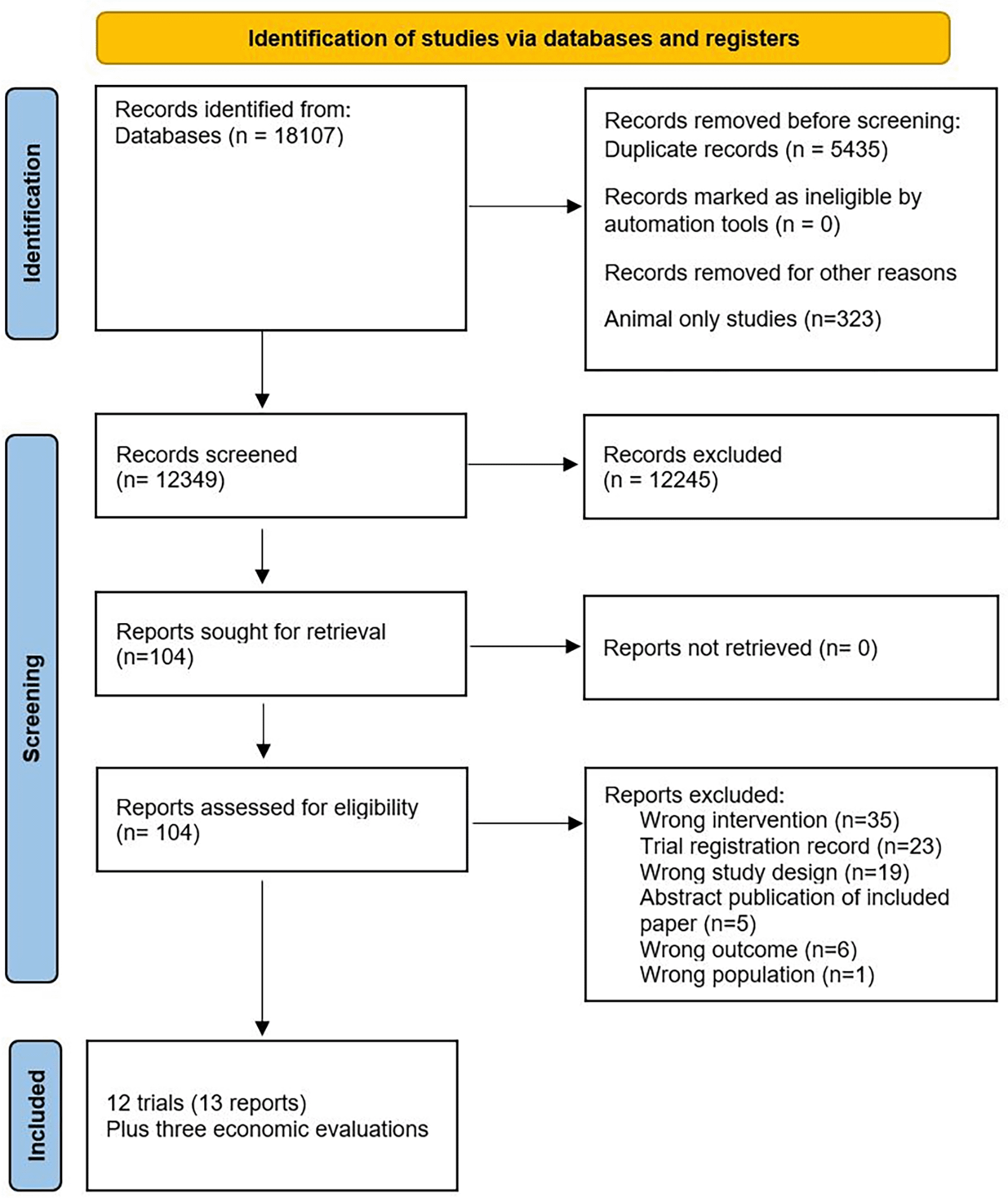
Footnote: Two reports included in the clinical effectiveness review and one economic evaluation included in the cost-effectiveness review were related to the REST trial.
We included 12 clinical effectiveness trials (13 trial reports). Seven trials21–28 compared ULTV ventilation to standard care and five compared limited driving pressure ventilation to standard care (Table 1; supplementary materials Table S1).29–33 The precise tidal volume or driving pressure target varied across studies. Four trials used extracorporeal carbon dioxide removal (ECCO2R) or extracorporeal membrane oxygenation (ECMO) to support intervention delivery, all of which were studies that targeted ULTV ventilation.21,22,24–26
Three trials23,28,31 specifically recruited patients who did not have ARDS, with the remaining nine trials either including only patients with ARDS or including patients both with and without ARDS. Three studies included patients with COVID-19 ARDS.27,29,32 Most trials were conducted in Europe (n = 7) and were multi-centre (n = 8). We identified no trials in children. Trials often failed to achieve clear separation between the intervention and control group in relation to tidal volume, mechanical power, and driving pressure (supplementary materials Table S2). Key information about participant demographics, as per the PROGRESS-PLUS criteria,12 was infrequently reported in trials (supplementary materials Table S3).
We identified eight ongoing trials. Six trials are comparing ULTV ventilation to standard care and two trials are comparing limited-driving pressure ventilation to standard care (supplementary materials Table S4).
Risk of bias was considered to be low in six trials.21,24,25,27,29,32 We deemed three trials to be at high risk of bias.23,28,31 This was largely driven by concerns of bias arising from deviations from the intended interventions as these trials did not achieve their target tidal volume or driving pressure and there was no separation between trial arms. We deemed three trials (four trial reports) as having some concerns for risk of bias.22,26,30,33 Risk of bias judgments for key outcomes across comparisons are presented in Figure 2. We were unable to formally assess publication bias as the number of trials identified for each outcome was less than ten. For all outcomes, GRADE certainty of evidence was ranked as low or very low (supplementary materials).
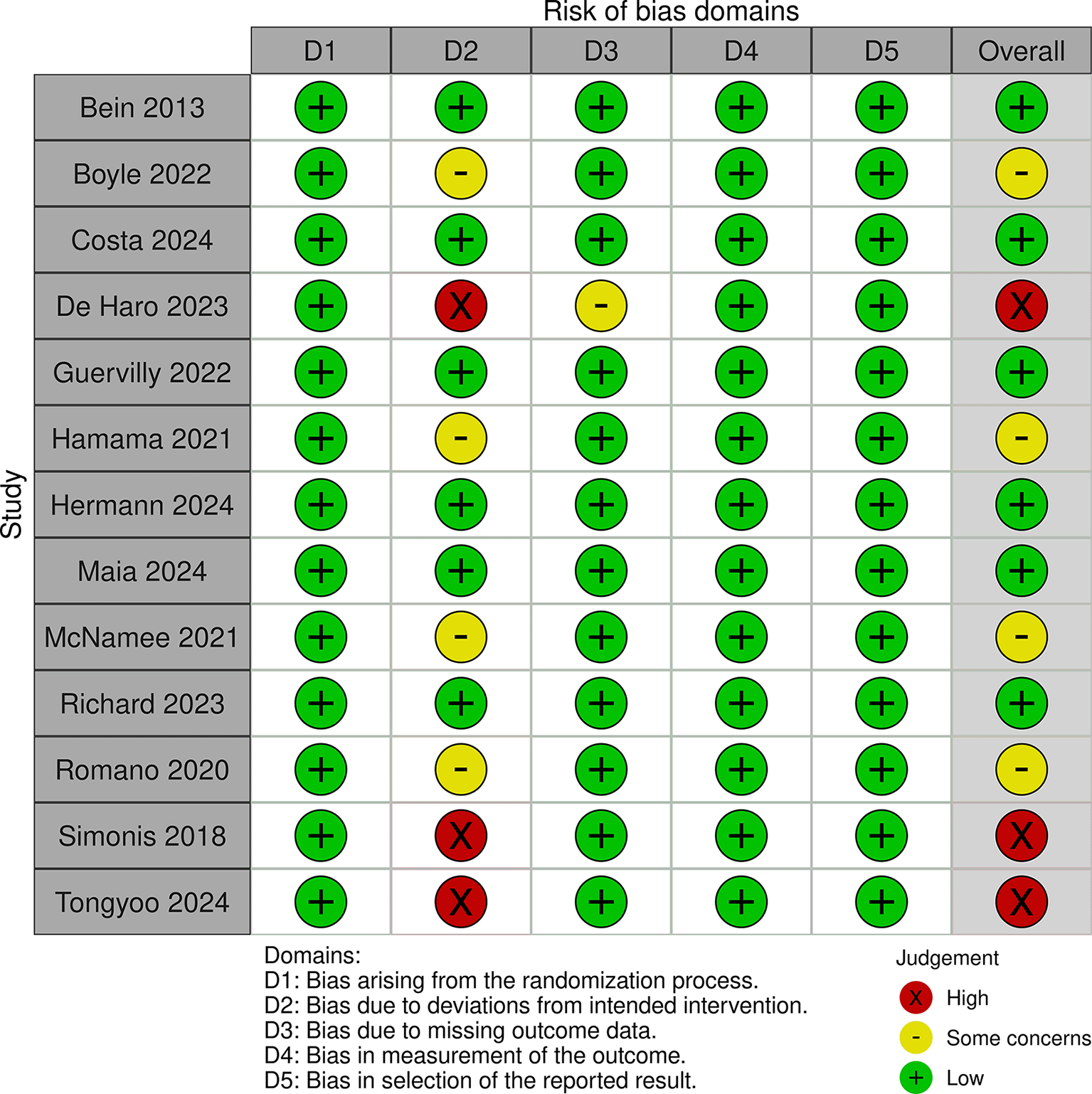
Footnote: McNamee 2021 and Boyle 2022 are two reports of the REST trial.
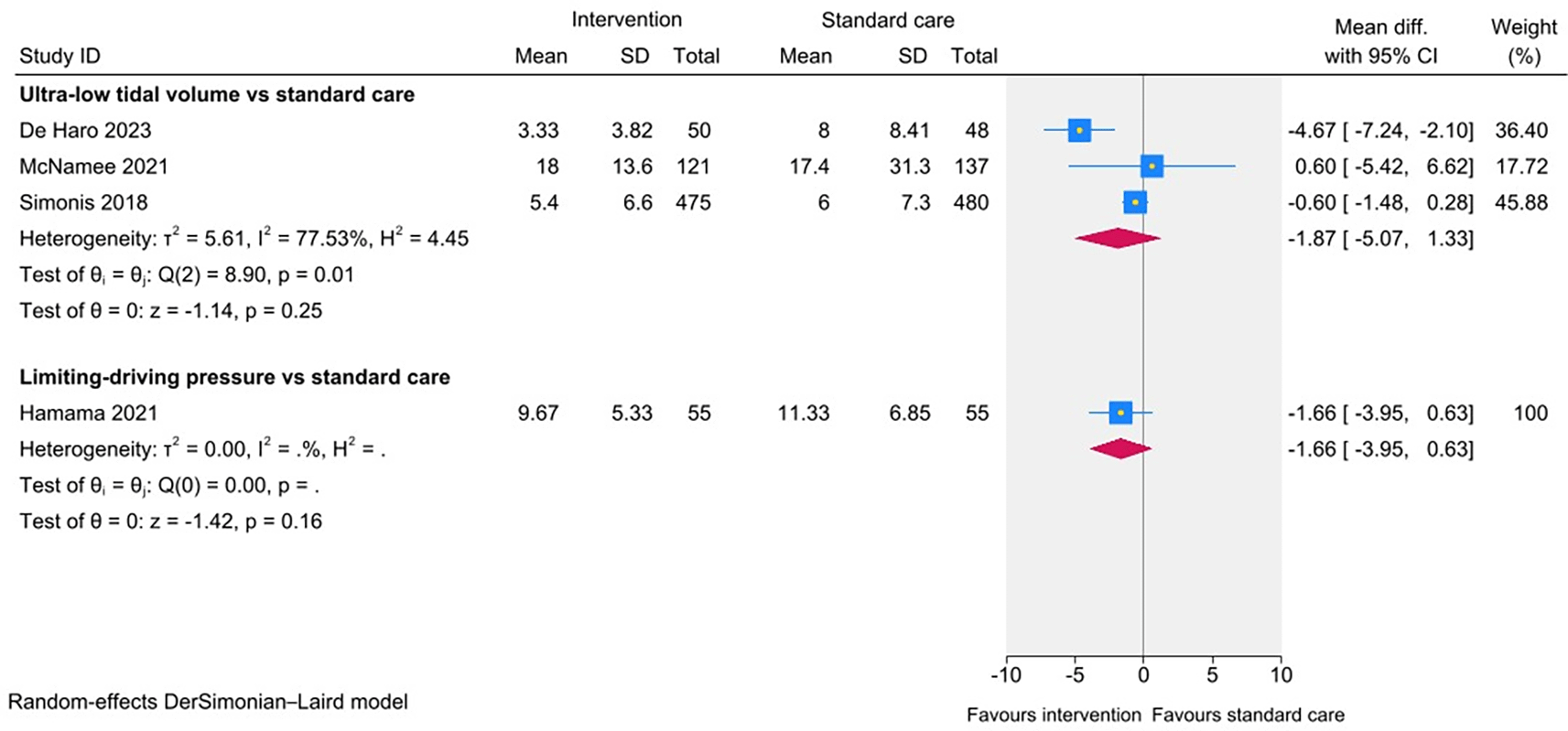
Duration of mechanical ventilation was reported in four (3 ULTV; 1 driving pressure minimisation) trials (Figure 3; supplementary materials Table S5). Two trials reported duration of mechanical ventilation in survivors only, one trial reported duration of mechanical ventilation in both survivors and all patients, and in the fourth trial, it was not stated whether duration of mechanical ventilation was reported in all patients or just survivors. For duration of invasive ventilation, the evidence is very uncertain about the effect of both ULTV strategies (MD -1.87 days, 95% CI -5.07 to 1.33; I2 77.53%; 3 trials; 1311 participants) and minimisation of driving pressure strategies (MD -1.66 days, 95% CI -3.95 to 0.63; I2 0%; 1 trial; 110 participants).
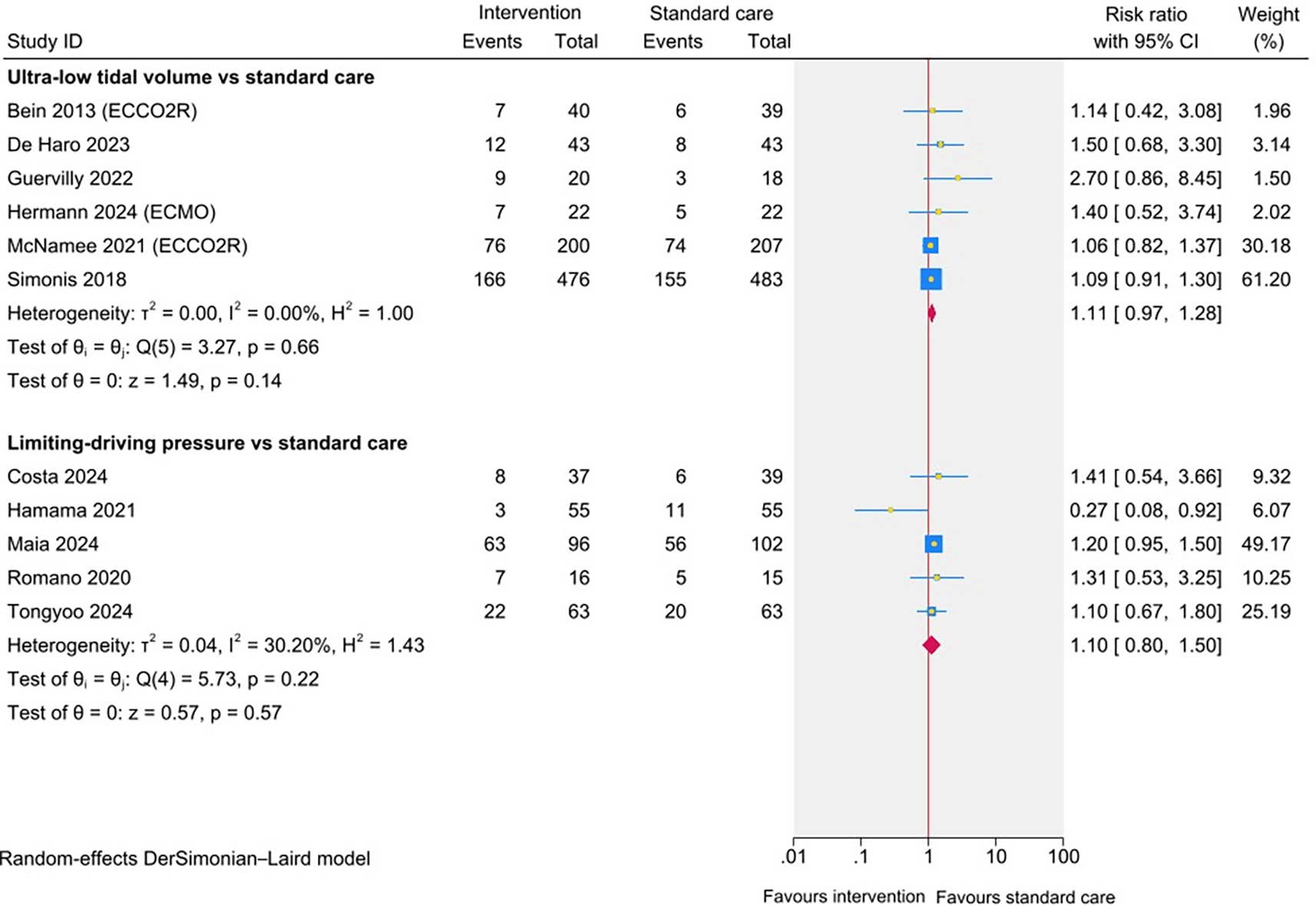
Mortality at 28-days and ICU discharge was reported in 11 (6 ULTV; 5 driving pressure minimisation) and 7 (4 ULTV; 3 driving pressure minimisation) trials respectively (Figures 4 and 5; Table S5). We found that evidence is very uncertain about the effect of ULTV strategies on mortality at 28-days (RR 1.11, 95% CI 0.97 to 1.28; RD 3.4%, 95% CI -0.9% to 8.7%; I2 0%; 6 trials; 1613 participants; very low certainty evidence) and mortality at ICU discharge (RR 1.10, 95% CI 0.74 to 1.63; RD 2.6%, 95% CI -6.7% to 16.1%; I2 41.17%; 4 trials; 1084 participants). We similarly found very uncertain evidence for the effect of minimisation of driving pressure strategies on mortality at 28-days (RR 1.10, 95% CI 0.80 to 1.50; RD 3.6%, 95% CI -7.2% to 17.9%; I2 30.2%; 5 trials; 541 participants) and mortality at ICU discharge (RR 1.10, 95% CI 0.85 to 1.42; RD 4.8%, −7.2% to 20.1%; I2 19.85%; 3 trials; 355 participants).
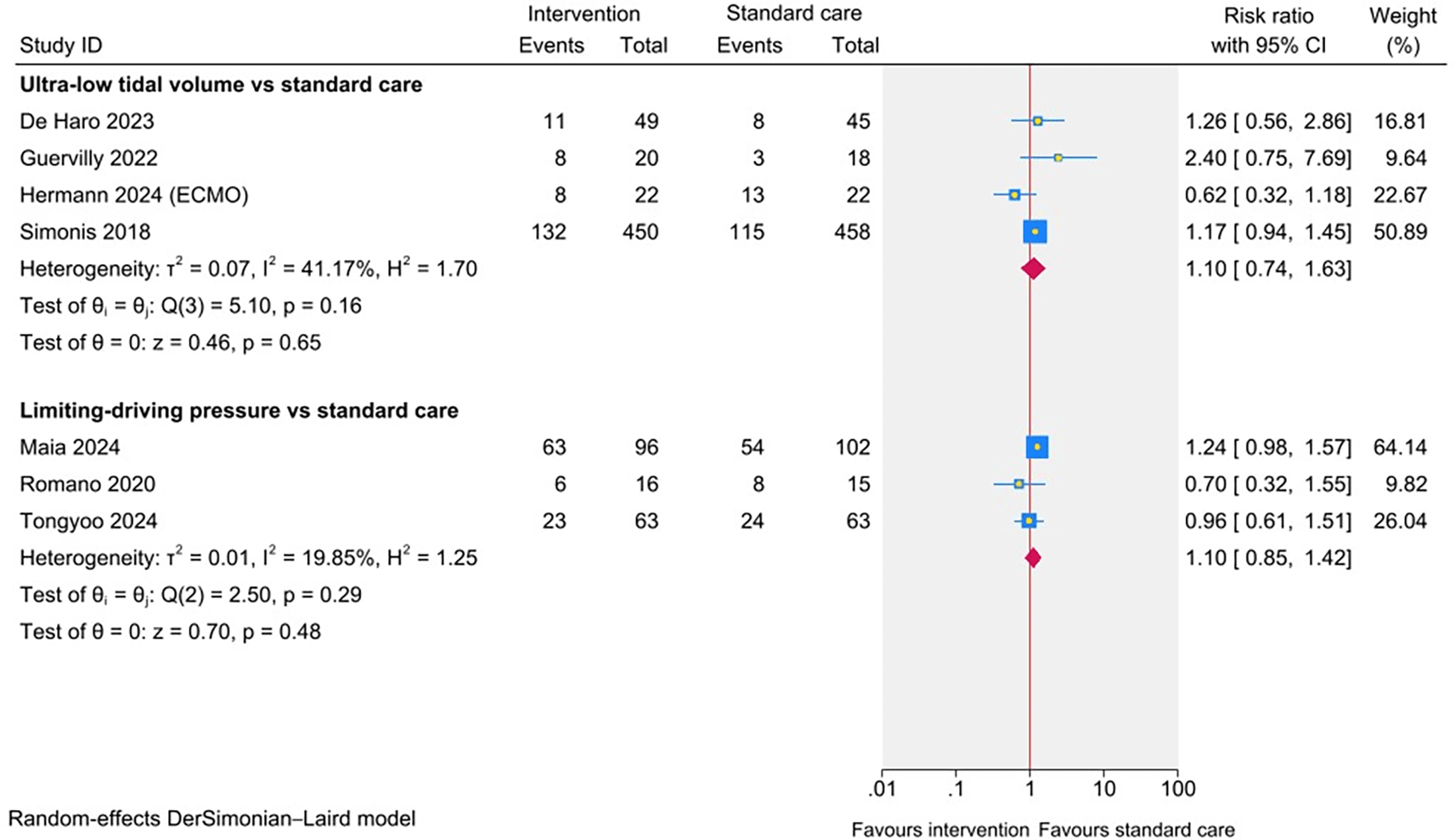
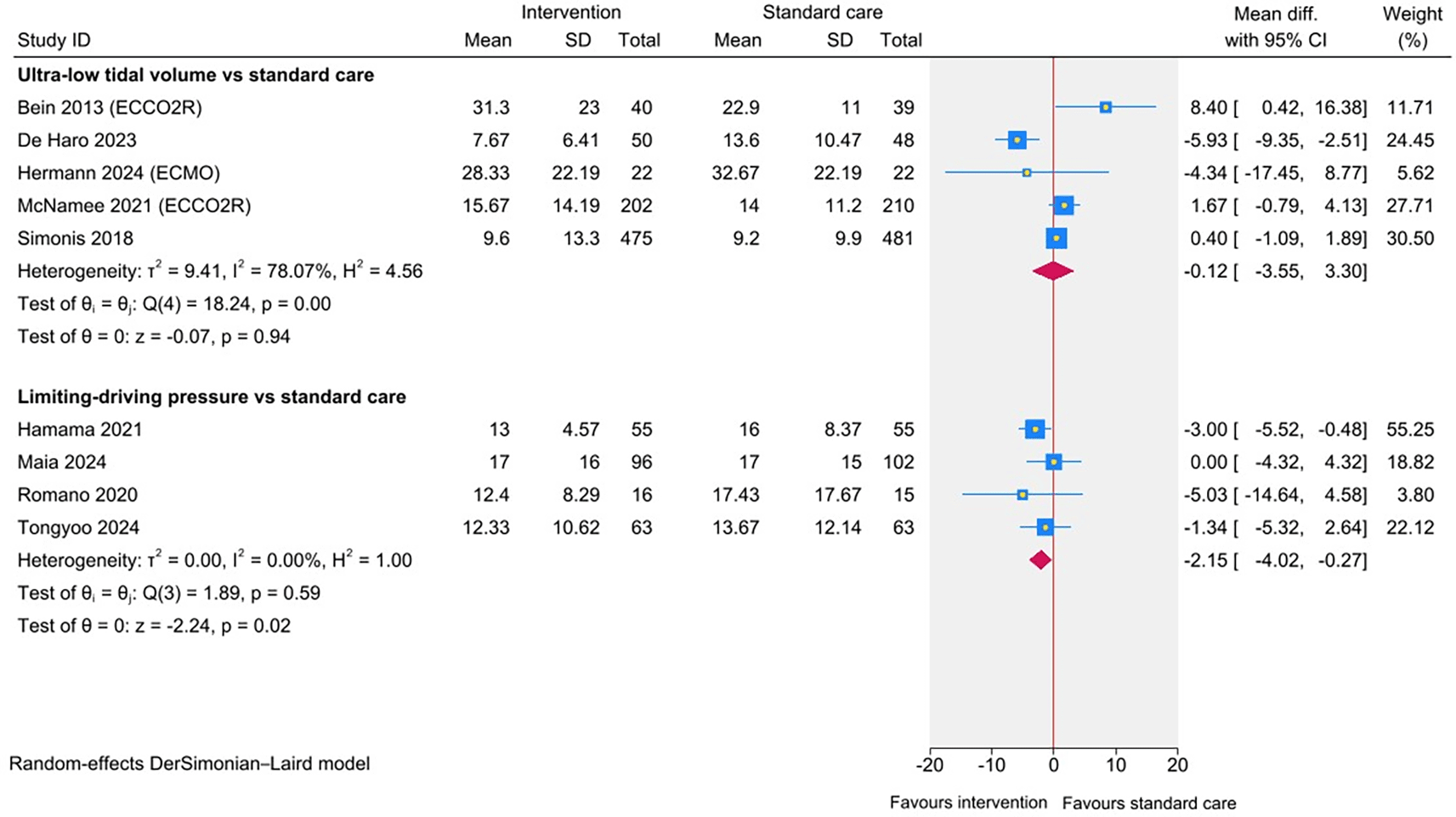
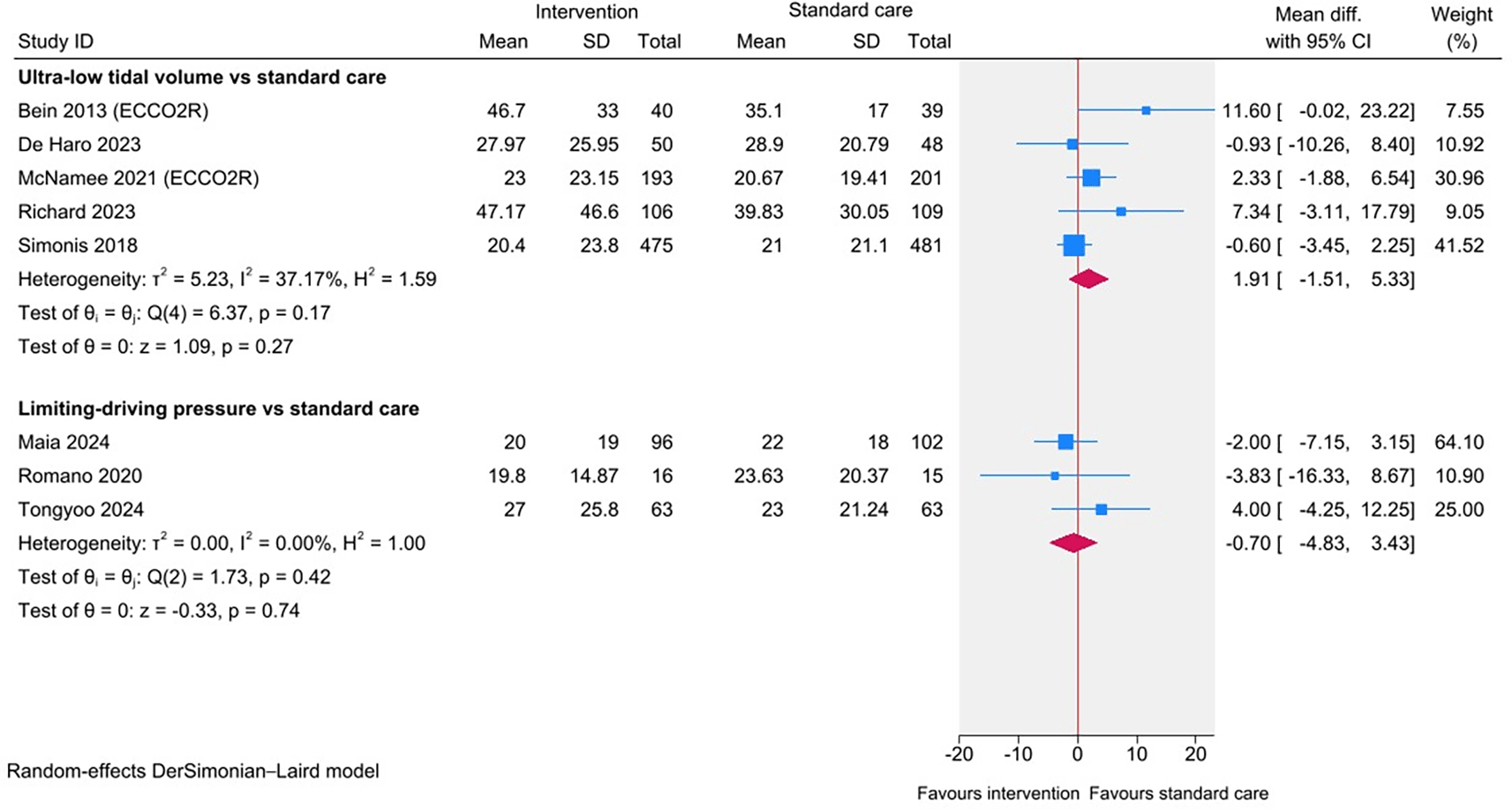
Length of stay on ICU and in the hospital was reported in nine (5 ULTV; 4 driving pressure minimisation) and eight (5 ULTV; 3 driving pressure minimisation) trials respectively (Figures 6 and 7). The evidence is very uncertain about the effect of ULTV on ICU length of stay (MD -0.12 days, 95% CI -3.55 to 3.30; I2 = 78.07%; 5 trials; 1589 participants) and hospital length of stay (MD 1.91 days, 95% CI -1.51 to 5.33; I2 = 37.17%; 5 trials; 1742 participants). We similarly found that evidence is very uncertain about the effect of driving pressure minimisation strategies on ICU length of stay (MD -2.15 days, 95% CI -4.02 to −0.27; I2 = 0%; 4 trials; 465 participants) and hospital length of stay (MD -0.7 days, 95% CI -4.83 to 3.43; I2 = 0%; 3 trials; 355 participants).
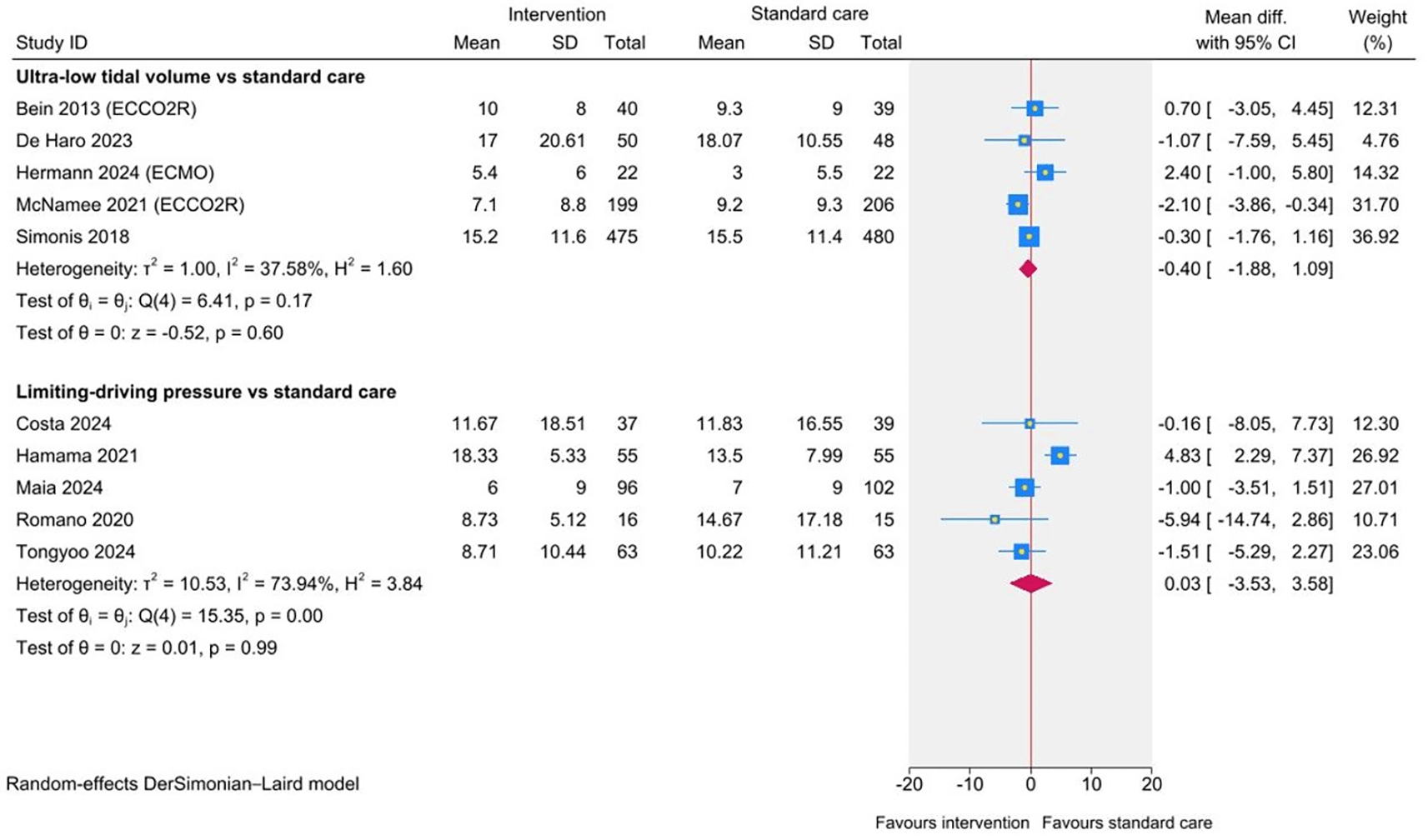
The evidence is also very uncertain about the effect of ULTV (MD -0.4 days, 95% CI -1.88 to 1.09 days; I2 = 37.58%; 5 trials; 1581 participants) or driving pressure ministration strategies (MD 0.03 days, 95% CI -3.53 days to 3.58 days; I2 = 73.94%; 5 trials; 541 participants) on number of ventilator free days to day-30 (Figure 8). One ULTV trial reported health-related quality of life.22 At 12-months, the effect of ULTV on health related quality of life was very uncertain (utility score: MD −0.004, 95% CI −0.13 to 0.12; visual analogue score MD 6.4, 95% CI −1.4 to 14.2).
Across six adverse events (ventilator-associated pneumonia, barotrauma, intracranial haemorrhage, development of atelectasis, development of ARDS, reintubation), we found that evidence is very uncertain about the effect of the interventions on the rate of these events (supplementary materials figures S1 to S6). Strategies that target ULTV reduced tidal volume, driving pressure, and mechanical power (supplementary materials figures S7 to S9). In contrast, strategies that target minimisation of driving pressure did not reduce tidal volume, driving pressure, or mechanical power.
Our ability to undertake sub-group analyses was limited by either an absence of evidence (e.g. studies in children), lack of reporting of relevant data in included studies, and the limited number of studies that reported our primary outcome. We undertook a post-hoc sensitivity analysis in which we analysed data for survivors only (supplementary materials figure S10). Due to the available data, we were not able to analyse ventilation duration in non-survivors.
For the outcome of 28-day mortality, our sub-group and sensitivity analyses explored use of extracorporeal support (ULTV only), ARDS status (ULTV and minimisation of driving pressure), risk of bias (ULTV and minimisation of driving pressure), COVID-19 status (minimisation of driving pressure only), and achievement of target treatment separation (ULTV and minimisation of driving pressure) (supplementary materials figures S11-S16). These analyses were consistent with our primary analysis with no evidence of differences across sub-groups. Of note, our sub-group analysis of extracorporeal support in ULTV studies compared studies that ECMO, ECCO2R, and no extracorporeal support with the analysis finding no evidence of sub-group differences (p = 0.38).
We included three economic analyses, all of which analysed ULTV facilitated by ECCO2R.34–36 Two related studies (with one being an extension of the other) undertook a model-based economic analysis,34,35 and the other undertook a trial-based economic evaluation.36 Both model-based analyses reported that ULTV was likely to be cost-effective, whilst the trial-based analysis found that ULTV was unlikely to be cost-effective. Further details of the findings of health economic studies are included in the supplementary materials (including Tables S6 to S13).
In this systematic review, strategies that target ULTV effectively reduced tidal volume and driving pressure, but this did not translate into improvements in patient-centred clinical outcomes. Strategies that target minimisation of driving pressure did not reduce tidal volume or driving pressure and did not affect clinical outcomes, except intensive care length of stay. We found no evidence in children. Health economic evidence was limited to three studies, with the only trial-based evaluation reporting that a ULTV strategy facilitated by ECCO2R was unlikely to be cost-effective. GRADE certainty in evidence for all outcomes was assessed as low or very low, which means that we have very little confidence in the effect estimates and the true effects could be substantially different from the estimated effects.
Across included trials, we found that the driving pressures or tidal volumes delivered in the intervention group often exceeded the protocolised target. For example, in the largest of the minimisation of driving pressure trials included in this review, the delivered tidal volume (ml/kg PBW) in the intervention group was 5.9, 6.6, and 7.4 at days one, two, and three respectively. Whilst this was significantly lower than that of the control group, it was markedly higher than the target of 4 ml/kg PBW.28 This may reflect the real-world application of these interventions, but it inevitably dilutes any potential treatment effect and would bias towards the null hypothesis. In the original ARMA trial, the delivered treatment adhered closely to the protocolised treatment in both the intervention (delivered: 6.2 ml/kg/PBW; target 6 ml/kg/PBW) and control (delivered: 11.8 ml/kg/PBW; target 12 ml/kg/PBW) groups.2 However, this lower target tidal volume is frequently exceeded in clinical practice. For example, in the LUNG-SAFE study, around 35% patients received a tidal volume over 8 ml/kg and 60% received a tidal volume over 7 ml/kg.37
Four of the included trials used an extracorporeal strategy (ECCO2R or ECMO) to support intervention delivery of ULTV.21,22,24–26 Importantly, despite potential differences in patient populations across trials that did and did not use extracorporeal strategies, our sub-group analysis that compared the three groups of ECCO2R, ECMO and no extracorporeal strategy found no evidence of a difference in treatment effect across sub-groups. However, as there were only two or three studies in each sub-group, the analysis might be under-powered to detect these sub-group differences. Extracorporeal strategies potentially facilitate intervention delivery by obviating the potential harms of reduced minute ventilation, such as respiratory acidosis. However, such strategies carry the inherent risks associated with any extracorporeal circuit, such as infection, thrombosis, and bleeding.38 The REST trial which used ECCO2R to facilitate delivery of ULTV recorded nine cases of intracranial haemorrhage that were categorised as serious adverse events, all of which occurred in the ULTV group who were receiving systemic anticoagulation. However, across two trials, we found very low certainty evidence that ULTV did not increase the incidence of intracranial haemorrhage. A recent large observational study of 11,972 patients reported an association between a large relative reduction in PaCO2 in the 24 hours after commencing ECMO with an increased rate of neurological complications (odds ratio 1.7, 95% CI 1.3 to 2.3).39 The association between a change in PaCO2 and intracranial haemorrhage is biologically plausible, but these data provide evidence only of correlation and need to be interpreted in the context of baseline risk of developing risk of developing an intracranial haemorrhage in a critically ill patient population.39,40
The very limited economic studies that we identified reported conflicting findings for the cost-effectiveness of ECCO2R supported ULTV ventilation. A key difference that might have contributed to the discrepant results was estimated clinical benefits from ULTV ventilation. The two model-based studies assumed better survival and shorter duration on mechanical ventilation with ULTV ventilation based on observational evidence, but these benefits were not observed in the REST trial which provided evidence for the trial-based economic evaluation.36
Our review has several important limitations. First, few studies reported our primary outcome of duration of ventilation. This outcome was determined a priori and is a clinically important outcome that reflects the proposed mechanism of the interventions. Whilst there are challenges with its interpretation due to the competing risk of death, its relevance is reflected by patients and clinicians selecting it as a core outcome in the core outcome set for invasive mechanical ventilation trials.11 The infrequent reporting may reflect both that some studies were designed prior to the development of the core outcome set and sub-optimal uptake of the outcome set in critical care trials. Importantly, across all reported outcomes, we found no clear evidence of benefit or harm. Second, our review included both studies that target ULTV and minimisation of driving pressure. The decision to include both strategies was made a priori, and reflects some overlap in clinical objective across the two interventions. Nevertheless, important clinical differences meant that we analysed each intervention separately. Third, available evidence precluded some pre-planned sub-group analyses, such as baseline elastance, which might have provided key clinical insights into potential differences across physiological phenotypes. Fourth, there was heterogeneity across studies in the targeted tidal volume and driving pressure. For ULTV, we selected a threshold of 4 ml/kg. For driving pressure, we were unable to define a specific target. Underlying this are a number of assumptions, including the clinical appropriateness of targeting of a single parameter, and that there is a linear association between reductions in the parameter and clinical outcome. It is possible that different thresholds for inclusion might have influenced review findings. Fifth, the included trials recruited a heterogeneous study population (ARDS, non-ARDS, COVID, hypoxemic respiratory failure). Sixth, we identified no relevant evidence in children. Seventh, we found only three health economic studies, all of which focused on ULTV ventilation facilitated by an extracorporeal strategy. Given the additional costs associated with use of an extracorporeal strategy in relation to both the equipment and staff training, these findings may not be generalisable to interventions that do not require use of an extracorporeal strategy and which can be delivered through a conventional ventilator. Finally, in line with our review protocol, we undertook a frequentist analysis, such that, in contrast to a Bayesian analysis, we are unable to report the probability of a clinically meaningful treatment effect.
In conclusion, across 12 randomised controlled trials and three health economic analyses, we found that ULTV and driving pressure minimisation strategies did not meaningfully influence key clinical outcomes, with evidence certainty characterised as low or very low. This may partly be attributable to difficulty achieving the target tidal volume or driving pressure described in the protocol, which would tend to bias towards the null hypothesis. Ongoing uncertainty should drive the need for further trials, including trials in children, to better inform clinical practice.
Provide sufficient details of any financial or non-financial competing interests to enable users to assess whether your comments might lead a reasonable person to question your impartiality. Consider the following examples, but note that this is not an exhaustive list:
Sign up for content alerts and receive a weekly or monthly email with all newly published articles
Register with NIHR Open Research
Already registered? Sign in
If you are a previous or current NIHR award holder, sign up for information about developments, publishing and publications from NIHR Open Research.
We'll keep you updated on any major new updates to NIHR Open Research
The email address should be the one you originally registered with F1000.
You registered with F1000 via Google, so we cannot reset your password.
To sign in, please click here.
If you still need help with your Google account password, please click here.
You registered with F1000 via Facebook, so we cannot reset your password.
To sign in, please click here.
If you still need help with your Facebook account password, please click here.
If your email address is registered with us, we will email you instructions to reset your password.
If you think you should have received this email but it has not arrived, please check your spam filters and/or contact for further assistance.

Comments on this article Comments (0)