Keywords
Multiple Long-Term Conditions, Multimorbidity, Primary Health Care, South Africa, Health Systems Strengthening, Non-communicable diseases, HIV, depression, community health workers

Multiple Long-Term Conditions, Multimorbidity, Primary Health Care, South Africa, Health Systems Strengthening, Non-communicable diseases, HIV, depression, community health workers
The number of people living with multiple long-term conditions (MLTCs), also known as multimorbidity, is rising globally and represents a major global health challenge of the 21st century.1–4 Although the prevalence of MLTCs is higher in high-income countries (HICs), the burden in low- and middle-income countries (LMICs) is significant with nearly a third of the population living with MLTCs and the age of onset typically 10–15 year earlier.5 While MLTCs disproportionately affect women and economically disadvantaged individuals globally,5 their costs extend beyond the individuals and affect their families and the health system. MLTCs are associated with reduced quality of life,6 loss of ability to work,7,8 polypharmacy,9 increased healthcare utilization and expenditure as well as higher costs for the health system.8,10,11 Despite the evidence of the significant MLTC burden in LMIC, most research on interventions to address these comes from HIC.3,12,13
South Africa, a LMIC with high levels of inequality, has one of the world’s largest antiretroviral therapy (ART) programmes, providing ART to 6.3 million of the 8 million people living with HIV.14 The country also faces a large and growing burden of obesity, poor mental health and non-communicable diseases. An estimated 4 million people are living with diabetes,15 8 million have diagnosed hypertension16,17 and 3.5 million have an established cardiovascular disease (CVD).18,19 In addition, among people aged 15 years or older, 4.9% are estimated to have depression,20 11.3% arthritis,21 11.3% asthma and 1.8% chronic obstructive pulmonary disease (COPD.22 A model-based analysis of South African healthcare data from public and private sectors up to 2022 highlights the most common condition combinations among people aged 15 and older. These are hypertension and arthritis (7.6%, 95% CI 5.8% to 9.5%), hypertension and diabetes (7.5%, 95% CI 6.4% to 8.6%) and hypertension and HIV (4.8%, 95% CI 3.3% to 6.6%). The NCDs that are associated with the highest frequency of multimorbidity are COPD (2.3, 95% CI 2.1 to 2.6), stroke (2.1, 95% CI 1.8 to 2.4) and ischaemic heart disease (1.9, 95% CI 1.6 to 2.2).18
Even in the context of the growing burden of MLTCs, healthcare systems in sub-Saharan Africa including South Africa remain fragile, reactive and siloed, with vertically organised disease-specific services.23–25 This approach is inefficient, resulting in repeated healthcare visits, duplicated efforts, neglect of problems requiring active management and unclear guidance on balancing provider and patient priorities.26 Primary health care (PHC) workers in South Africa use the Practical Approach to Care Kit (PACK), also known as Adult Primary Care (APC) to guide clinical decision-making. This comprehensive evidence-informed, policy-aligned tool standardises long-term care, typically organised by individual conditions.27 When patients present to PHC with multiple conditions, the numerous checks required can become overwhelming for providers. As a result, there is often limited time for patients to express their health concerns.27 To address this, interventions that consider MLTCs while providing support for clinical decision-making are necessary.
This protocol outlines the evaluation of the EvideNce led co-created HeAlth systems interventioNs for MLTCs CarE (ENHANCE) trial. ENHANCE used a stakeholder driven process to codesign and test a health system strengthening intervention for people living with MLTCs attending public sector PHC in South Africa. This type 2 hybrid trial with dual focus on clinical effectiveness and implementation outcomes aims to establish effectiveness while providing insights on how to optimise implementation.
The main study objectives were:
i. To test and estimate the effect of the intervention in people with MLTCs attending primary healthcare on:
a) the detection of, and initiation of treatment for, additional chronic conditions (Criterion 1 of composite primary outcome);
b) treatment intensification and changes in medication for conditions present at baseline (Criterion 2 of composite primary outcome); and
c) control of previously uncontrolled chronic conditions (Criterion 3 of composite primary outcome)
ii. To assess the reach, adoption, implementation, and maintenance of the intervention using the RE-AIM framework (implementation processes and outcomes).
iii. To understand implementation processes and outcomes within the wider context of PHC, provide explanations for the observed effects of the clinical findings and identify recommendations for wider implementation of the ENHANCE intervention.
The protocol was prepared according to the SPIRIT (Standard Protocol Items: Recommendations for Interventional Trials) statement. A completed SPIRIT checklist and the CONSORT (Consolidated Standards of Reporting Trials) diagram are available through Zenodo.28
Since the pre-grant proposal phase of the study, there has been active involvement and engagement with patient and public members, beginning with their participation in formative interviews and consultation during the pre-proposal stage. These early interactions were vital in ensuring the research questions were grounded in the lived experiences of healthcare fragmentation and the practical burdens of polypharmacy and poor treatment literacy. Following the study’s inception, these members alongside a named community co-applicant who served as a full member of the Project Executive Board formed the ENHANCE Advocacy Academy.29 Throughout the study lifecycle, the Advocacy Academy met six monthly for a four-year tailored skills- enhancement programme, and ad-hoc to provide input into intervention and research design. Their involvement was critical in the design and conduct of the study through participation in co-development of the intervention tools, including the patient-health diary and treatment literacy guides, to ensure they addressed the “informational gap” identified during the formative phase. Furthermore they advocated for a focus on patient acceptability and exploration of condition control barriers, informing the outcome measures and mixed methods approach. They also provided guidance on recruitment of the study through reviewing screening and enrolment procedures and documentation and advising on feasibility of recruiting patients. The aim of this active partnership ensured that patient and public views informed the intervention and trial design to ground the study in the real-world context of MLTC care.30 The Academy remains centrally involved in exploring findings and dissemination, assisting in the interpretation of findings and preparation of culturally appropriate research information to be shared with participants and linked communities.
ENHANCE is a randomised type 2 hybrid trial testing the effect of the intervention on improving clinical outcomes, while giving equal focus to investigating implementation processes and outcomes using the RE-AIM (reach, effectiveness, adoption, implementation, maintenance) framework.31 The unit of randomisation was PHC facilities, with outcomes measured on individual patient participants. Stratification by location (4 strata in KwaZulu-Natal and 3 in the Western Cape) was used to account for differences in prevalence of, and levels of chronic conditions control at baseline. Prevalence of conditions varies between South African provinces, with KwaZulu-Natal having a higher prevalence of HIV than the Western Cape, which has a higher burden of NCDs.32 Provinces also differ in rates of control of conditions including HIV, hypertension and diabetes documented.33–35
The trial was conducted in 32 public sector PHC facilities located within the Cape Metro, Western Cape (n = 16) and uMgungundlovu district, KwaZulu-Natal (n = 16) provinces of South Africa. These provinces represent diverse health system contexts, with varying resources, patient volumes, and disease burdens. uMgungundlovu district covers an area of 9189 square kilometres that comprises of seven urban, peri-urban and rural municipalities with a population of one million. This district has 46 clinics, 17 mobile clinics, 4 district hospitals and one state aided clinic.36 The Cape Metro health district has a population of over 4 million and is situated on the South Peninsula of the Western Cape Province. It incorporates eight sub-districts that are peri-urban or urban and has approximately 152 PHC facilities and 8 district hospitals.37 Routine PHC services in these settings include the management of NCDs such as hypertension, diabetes, and chronic respiratory conditions, as well as communicable diseases including HIV. The study setting was chosen to ensure representation of typical South African PHC environments where multimorbidity and polypharmacy are prevalent.
The study population comprised 1): the facility managers and health care workers employed at fixed PHC clinics with substantive patient loads (headcounts >4000 per year) and surrounding areas, (including nurses, doctors and CHWs), 2) adult patients attending the clinics for care of at least two chronic conditions.
Inclusion criteria for PHC facilities
Eligible clinics were public sector PHC facilities that provide routine chronic disease management services including for NCDs, HIV and mental health. Clinics were considered for inclusion based on patient load, staffing capacity, and their ability to implement the intervention. Because a key element of the co-designed implementation strategy included supplementation of clinic-based care with CHW-provided treatment and condition literacy in the home, facilities had to have a designated CHW team. In the Western Cape, such CHWs are employed and supervised through non-profit organisations and are entirely community-based, whereas in KwaZulu-Natal, CHWs have been assimilated into the provincial health department staff as part of the Ward-Based Primary Health outreach team (WBPHCOT) and provide services at clinic, school and community level. Other provincial differences included a higher proportion of facility-based doctors in the Western Cape, a metropole area, whereas care in KwaZulu-Natal was largely nurse-led, with outreach doctors from district hospitals and local private sector doctors providing services at primary healthcare (PHC) facilities on a referral basis, typically for a maximum of four hours per day.
Inclusion criteria for patients
Patients were eligible for inclusion if they were aged 40 years or older, were receiving care for at least two of the following conditions, with at least one of the first five listed conditions being uncontrolled: HIV, hypertension, diabetes, asthma, depression, previous myocardial infarction or previous stroke. Patients were excluded if they were unable to participate in an hour-long interview, were planning to relocate during the study period, were unwilling to receive a CHW visit in their home, were pregnant or on current tuberculosis treatment.
Standard of Care
Participants in control facilities continued to receive standard care. In South Africa, PHC for long-term conditions is delivered free-at-point-of-care and includes the management of HIV, NCDs and mental health according to South Africa’s Ideal Clinic and Integrated Clinical Services Management model.38 This integrated approach in theory allows for simultaneous management of multiple conditions, enabled by the Essential Medicines and Standard Treatment Guidelines for Primary Healthcare39 and the PACK/APC clinical decision support tool. Patients typically attend routine monitoring every 3–6 months, while chronic medication is collected monthly through fast-track queues or decentralized dispensing systems, including community venues, wellness clubs, trailers, retail pharmacies (in KwaZulu-Natal) or e-lockers.
During the COVID-19 pandemic patients were discouraged from collecting their medication from group settings (clinics, halls, clubs) and CHWs delivered a large proportion of refill prescriptions directly to patients’ homes. Home deliveries were slowing at the time of the trial, and are being reserved for patients with mobility issues, but dispensing outside of the clinic has continued to grow, posing a challenge for linkage with monitoring and support programmes. MLTC patients, like usual patients, intermittently attend general acute care services within the same clinic. Many who receive care for a long-term chronic condition from public sector facilities also seek care from doctors in private general practice, typically for acute problems.
Intervention
Participants enrolled in intervention clinics continued with usual care as described for control clinics, and in addition, received the ENHANCE health systems intervention. Intervention components are shown in Figure 1 and included:
• Treatment literacy about chronic conditions in clinic waiting rooms/pick-up points (posters, health promotion talks)
• An integrated clinical decision support tool, the ENHANCE guide, for care of MLTCs used during the consultations with a trained clinician. The development and content of the guide is described elsewhere,29 but in brief, it integrates assessment and treatment of 11 common chronic conditions seen in South African PHC (hypertension, HIV, diabetes, depression/anxiety, CVD risk, ischaemic heart disease, stroke, epilepsy, asthma, COPD and chronic arthritis) and highlighted components designed to strengthen person-centredness of consultations.
• A paper-based patient-health diary and lay formulary used during treatment literacy interactions including contact between a CHW and a person with MLTC in their home (where possible with carer), at 2 weeks and 4 weeks post referral. Clinicians and patients were also encouraged to write in the diary.
• Referrals to additional adherence counselling if necessary.
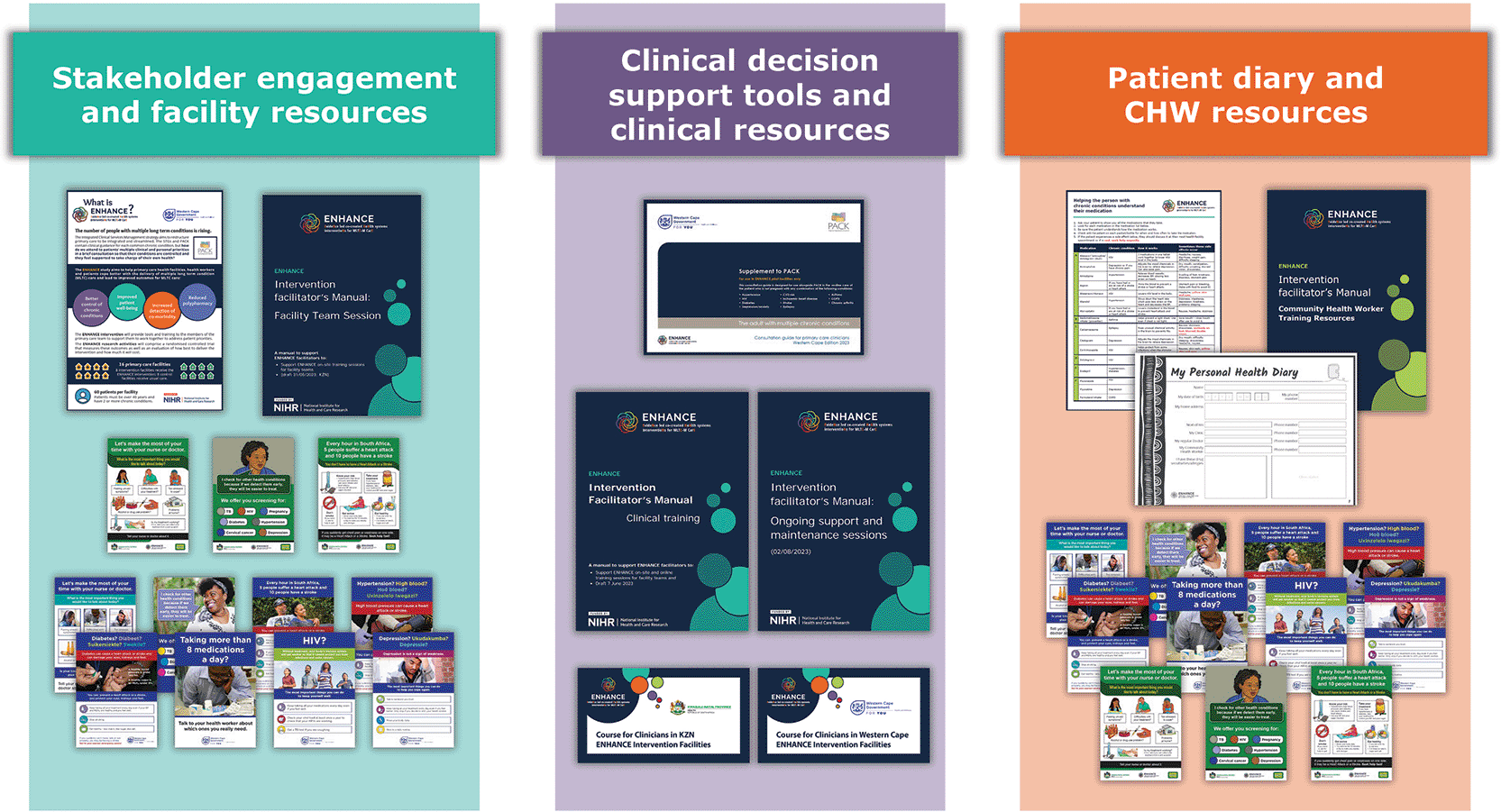
Following recruitment, participants in intervention clinics were seen by an ENHANCE trained clinician who was asked to complete a clinical review using the ENHANCE clinical decision support tool and link the participant to CHW services for follow-up in the home. In this way participants attending intervention clinics received at least one clinical review of their MLTC care and were expected to have two household support visits during the follow-up period. Additional visits were determined based on need (additional diagnoses, level of control, requirement for home-based support).
Implementation strategies comprised delivering of online and in-person onsite facility team training using case-based curricula to equip nurses and doctors to use the ENHANCE clinical decision support tool to review care of patients with MLTCs and refer them for follow-on support provided by CHWs at home. CHWs were trained in a simple approach to treatment literacy using a brief lay person formulary, and condition literacy using posters and the patient diary. Facility support visits focused on completion of training, the embedding of the intervention, clinical queries and review of referral pathways from clinicians to CHWs using a continuous quality improvement approach. Representatives from district and sub-district management, intervention facilities and CHW teams met quarterly in various forums to share learning around implementation.
Primary outcome
The primary outcome, measured at individual participant level, is a binary composite outcome variable for patient participants with any combination of the eligible index conditions which is aligned with the health system’s mandate to detect, treat and control chronic conditions to prevent adverse health outcomes. It will be considered present if a patient participant meets at least one of the following criteria at 12-month follow-up:
• Diagnosis and initiation of treatment during follow-up of one or more additional chronic conditions
• Intensification or change of treatment during follow-up for at least one of the chronic conditions present and treated at enrolment
• Improved control of at least one condition that was not optimally controlled at baseline, defined as follows: HIV - viral suppression (viral load <50 copies/mL); hypertension - systolic blood pressure < 140 mmHg and diastolic blood pressure less than 90 mmHg; diabetes - HbA1c <8%, asthma - Asthma Control Test score ≥ 16,40,41 depression - Patient Health Questionnaire 8 (PHQ-8) <10.42
Certain of these criteria align closely with clinical effectiveness, such as improved control in a condition not optimally controlled at baseline, while others align better with an assessment of implementation, such as intensification or change or treatment. Diagnosis and initiation of treatment of another chronic condition could arguably be considered both a clinical and implementation outcome.
We gave equal weight to the three components of chronic condition care - diagnosis, treatment and control - which in our view represent the core mandate of PHC facilities in relation to people living with these conditions.
Secondary clinical effectiveness outcomes
We will report a diverse set of secondary effectiveness outcomes43 including the primary outcome disaggregated by component; physical and social functioning assessed using WHODAS-2.0 (World Health Organisation Disability Assessment Schedule)44; health-related quality of life assessed using the EuroQol 5D-5L45; patient experience of care assessed using the PACIC (Patient Assessment of Chronic Illness Care)46; depressive symptoms assessed using the PHQ-8 (patient health questionnaire-8)42; patient experience with treatment and self-management assessed using a shortened version of the PETS tool47 and health care utilisation and costs. Table 1 lists the outcomes and time points for their collection.
| Data collection instrument | Number of items | Source | Recall period | Enrolment | 6 Month visit | 12 Month visit |
|---|---|---|---|---|---|---|
| All patient participants irrespective of eligible conditions | ||||||
| Sociodemographic | 21 | Self-reported | NA | | ||
| WHODAS 2.0 (44) | 12 | Self-reported | 1 month | | | |
| EQ-5D-5L63 | 5 | Self-reported | Today | | | |
| Patient Assessment of Chronic Illness Care (PACIC)46 | 20 | Self-reported | 3 months | | | |
| Patient Experience with treatment and self-management (PETS)47,64 | 22 | Self-reported | NA | | | |
| Patient Health Questionnaire- (PHQ-8)65 | 8 | Self-reported | 2 Weeks | | | |
| Health utilisation, cost of care and illness | 10 | Self-reported | 3 months | | | |
| Weight measurement | NA | Direct measure | NA | | | |
| Height measurement | NA | Direct measure | NA | | ||
| Blood pressure measure | NA | Direct measure | NA | | | |
| Restricted to patient participants with designated eligible condition(s) | ||||||
| Asthma Control Test (asthma patients only)40 | 5 | Self-reported | 4 Weeks | | | |
| Viral load (HIV patients only) | 1 | Laboratory | NA | | | |
| HbA1c (diabetes patients only) | 1 | Laboratory | NA | | | |
Secondary implementation outcomes
Implementation outcomes were collected at clinic level from intervention implementation data, semi-structured interviews and the trial patient participant questionnaires to assess reach, adoption and implementation and maintenance of the ENHANCE intervention.48 Measures of reach and adoption will capture exposure of PHC staff and patients to elements of the intervention and implementation strategy (e.g. proportion of intervention group participants visited by a CHW) and integration of intervention components into care (e.g. patient diary use). Planned subgroup analyses across intervention and control group patients will assess appropriateness of new diagnoses and treatment (e.g. in individuals with elevated blood pressure at baseline). Semi-structured interviews will explore patient, clinician and CHW perceptions of the acceptability of the ENHANCE intervention and associated barriers and facilitators to its implementation.
Safety and monitoring
We immediately referred patient participants who had severely elevated blood pressure (≥180/110) to the clinicians at the clinic, irrespective of intervention allocation. At the conclusion of data collection, we also referred patients whose control remained poor to the clinic staff for review. We systematically monitored hospitalisations and deaths, which we anticipated would be common among individuals with MLTCs, and reported these to the independent Trial Steering Committee (TSC) at six-month intervals. This committee played both a supervisory and advisory role and considered the study from the perspective of the participants, the public affected by the issues being researched, the research team and the funder. The TSC reviewed cumulative study data to evaluate safety, study conduct, scientific validity and data integrity. Specifically, it assessed the progress of the trial, monitored adherence to the protocol, the safety data, considered new information as it becomes available, the critical effectiveness endpoints and provided recommendations to the Principal Investigators.
Members of the TSC consisted of both independent members and members of the research team. The former served in an individual capacity and provided their expertise and recommendations. A charter outlined the roles and responsibilities and served as the Standard Operating Procedure (SOP) for the TSC.
Our sample size calculations were informed by outcome prevalence data and intra-cluster correlation coefficients (ICC) from our PC101,49 COBALT50 and PACK Brazil trials51 in similar settings, and similar global trials52 ( Table 2).
We estimated that a sample size of 1888 participants from 32 clinics (59 patients per clinic, 944 per group) would provide 85% power to detect a 14% (50% vs 64%) difference in the binary composite primary outcome, allowing for 15% loss to follow-up, with an intra-cluster correlation coefficient (ICC) = 0.05 and 5% significance.
Randomisation
Clusters were defined at the clinic level to minimise contamination between clinicians within the same clinic. Clinics were randomised to intervention or control groups in a 1:1 ratio, stratified first by province and by substrata. In the Western Cape facilities all in urban or peri-urban areas and were stratified by Metro Health District defined substructures. The four substructure strata are Northern and Tygerberg (NTSS) with three clinics, Mitchells Plain and Klipfontein (KMPSS) with six clinics, Khayelitsha and Eastern (KESS) with four clinics and Southern and Western (SWSS) with three clinics. The NTSS and SWSS strata were pooled to achieve an even number of clinics. In Kwa-Zulu Natal, two stratifications were also implemented to ensure balance between urban and rural areas and between clinics receiving substantial support from a local NGO. There are two urban strata, Msunduzi (urban) with nine clinics and other (less urban) with seven clinics. The latter stratum consisted of clinics from Richmond, uMngeni, Impendle, Mkhambathini and uMshwathi. Within the urban stratum six of the nine clinics were supported by the NGO and for the other stratum four of the seven clinics were supported by the NGO. The total number of strata within the KwaZulu-Natal province is therefore four.
The research team sought approval from the provincial health departments for clinics that met the eligibility criteria to be included in the trial. In both provinces the number of clinics approved for research exceeded the planned number of clusters. Additional clinics were earmarked for pilot work or to function as replacement clinics should a clinic be found not to be suitable after initial randomisation but before data collection started. PHC facilities were randomised by the trial statistician using nQuery advisor using province and substrata. Randomisation occurred before enrolment of participants or delivery of the intervention. Two clinics had to be replaced. The Western Cape intervention clinic was deemed unsafe for access by research staff due to community violence, and a KwaZulu-Natal intervention clinic could no longer start training due to severe staff shortages.
Additional clinics were randomised in each province and the first clinic allocated to the intervention arm was selected as the replacement clinic. After commencement of data collection, no clinics were replaced. The replacement strategy was presented to and approved by the TSC.
Allocation concealment and blinding
It was not possible to blind health workers, participants and fieldworkers administering questionnaires about the allocation to the intervention or control arms, however, the trial statistician was blinded up to the completion of the analysis. Outcomes for viral load and blood glucose levels were measured blindly by the National Health Laboratory Services (NHLS).
Recruitment procedures
People living with MLTCs
Eligible participants were identified by facility clinicians and, if interested in participating, were referred to a fieldworker who administered a brief screening questionnaire to determine eligibility. All potential participants received full information about the study in their preferred language (English, Afrikaans, isiXhosa, isiZulu) as described in the information sheet. In addition, they were given an opportunity to ask questions and to decide whether they chose to take part in the research. They were reassured that they could chose to not to take part or to withdraw from the study at any time and that they would continue to receive care and would not be penalised in anyway. If a participant chose to participate in the study, they were asked to sign a consent form.
Health care providers
Healthcare providers were invited to participate in the process evaluation. Eligible individuals were approached by research staff, provided with an information sheet, and given the opportunity to ask questions. Participation was voluntary, with the assurance that declining or withdrawing would not affect their employment or performance reviews. Those agreeing to take part provided signed consent.
Data collection
Trained fieldworkers administered standardised data collection forms using a REDCap (Research Electronic Data Capture) application embedded on handheld devices. Data were collected at enrolment, after consent was provided and before the participants was seen by a clinician.
Follow-up interviews took place 6 and 12 months later. The interview schedule is summarised in Table 1 and includes socioeconomic details, several generic and condition-specific instruments most of which had already been translated, validated or at least used in South Africa ( Table 1), questions on healthcare utilisation and costs, and careful documentation of participants’ medication including name of each medicine, dose and frequency with photographs of original scripts captured alongside. Fieldworkers were also trained to complete physical measurements including weight (using digital scales), height, waist circumference, and blood pressure (BP). BP was measured on three occasions at each interview using an OMRON BP monitor with readings at least two minutes apart in accordance with American Heart Association guidelines.53 The first reading was discarded, and the mean of the second and third reading was included in the analysis.
At enrolment and at 12 months, participants living with HIV and/or diabetes were asked to provide a blood sample of 5 ml (one teaspoon) for measurement of their viral load and/or HbA1c. Blood samples were drawn by the clinics’ health care workers who routinely drew bloods and we compensated clinics with additional consumables.
Participants’ medication data, collected at the time of interviews, were cross-checked with electronically collected data [Chronic Dispensing Unit (CDU) in the Western Cape, Central Chronic Medicines Dispensing and Distribution (CCMDD) Programme in KwaZulu-Natal] and any differences interrogated and resolved.
Data management
Interview data was uploaded as soon as questionnaires were completed and stored in a secure Structured Query Language (SQL) server at the trial co-ordinating centre based at the Knowledge Translation Unit, University of Cape Town. Questionnaire data were enriched with laboratory results and electronic prescription data from patient clinic folders and maintained as part of provincial records. Participant level consent was obtained to access routine health information, and access was limited to a small number of supervisory staff following agreements with the respective health departments. All personal information handling complied with laws around personal data including POPIA (Protection of Personal Information Act) in South Africa and General Data Protection Regulation (GDPR) in the United Kingdom, and staff received relevant training.
Quality control measures included in-person and telephonic supervision of fieldworkers, refresher trainings, range checks and automated skips.
Data analysis
Descriptive statistics such as means, standard deviations, frequencies, percentages, counts, medians will be compiled and reported by study arm (intervention or control). We will test and estimate the effects of the intervention on primary effectiveness and implementation outcomes and secondary effectiveness outcomes, by comparing outcomes in intervention and control groups. Analysis will be by intention to treat. We will use multilevel mixed effects regression, with clinic and participants as the random effects, and with province and strata as covariates.
The regression models, adjusted for stratification and clustering, and depending on outcome format, will be:
• Binomial regression for binary outcomes (the composite primary outcome and various secondary outcomes) estimating risk differences and risk ratios with 95% confidence intervals.
• Linear regression for continuous outcomes (the primary health related quality of life score, and other secondary outcomes) estimating mean differences with 95% confidence intervals.
• Poisson regression for count outcomes (such as numbers of additional conditions diagnosed or treated, or numbers of changes in treatment) estimating incidence rate ratios with 95% confidence intervals taking the time on the study into account.
Estimation of the regression models will be done using maximum likelihood to utilise the full maximum likelihood approach as out imputation model for missing values post enrolment. For longitudinal outcomes the enrolment value will be part of the longitudinal modelling and hence the test for an interaction between intervention and time will be the formal test for a significant intervention effect. Sensitivity analysis will be conducted adjusting for unbalanced baseline confounders in the models.
Subgroup analyses
By condition: our prior hypothesis was that some conditions would be less amenable to change in medication or control than others.
By level of control: our prior hypothesis was that patients with poorly controlled conditions would be more amenable to changes in medication or functioning than patients with well-controlled conditions.
By province: our prior hypothesis was that effects of the intervention may differ between Kwa-Zulu Natal and better-resourced Western Cape facilities, as some elements of care are arranged differently by province.
We will conduct a within-trial cost effectiveness of treatment of MLTC according to South Africa’s Ideal Clinic and Integrated Clinical Services Management model versus treatment with the ENHANCE intervention. The economic evaluation will be carried out based on the full enrolled trial sample, for the duration on the trial and adopt a societal perspective. The analysis will be reported according to the Consolidated Health Economic Evaluation Reporting Standards.54 Resource use will be measured through questionnaires and medical records, and unit costs will be sourced from health department data. Incremental costs of developing ENHANCE will be calculated, converted to mean cost per consultation, and incorporated into trial arms. Incremental Cost- Effectiveness Ratos (ICERs) will be the arithmetic mean difference in cost between ENHANCE and usual care divided by the arithmetic mean difference in effect based on trial outcomes.55
The primary trial outcomes will inform the ICERs expressed as an incremental cost per additional participant with control of at least one condition that was not controlled at baseline and incremental cost per additional participant diagnosed or initiated onto treatment. To enable comparability with other studies, quality-adjusted life years (QALYs) will be calculated based on participant responses to the self-reported EQ-5D-5L questionnaire and used to estimate an ICER expressed as an incremental cost per QALY gained. EQ-5D-5L responses will be converted into utility scores using the newly developed South African tariff.56 Quality adjusted life years (QALYs) will be calculated using the utilities and the area under the curve method.57
Univariate and two-way sensitivity analyses will investigate the impact on results of varying outcome effect sizes within confidence bounds and key cost drivers, such as staff or medicines for provider costs and travel or medical costs for participants. A key consideration for policymakers and implementers of new interventions is the affordability and feasibility of available options. A budget impact analysis over five years will model financial implications for the health system, applying inflation adjustments and scenario testing.58
Should there be no statistically or clinically meaningful difference in the primary clinical outcome between trial arms, we will undertake a cost-consequence analysis. Cost-consequence analysis transparently displays all costs (e.g., intervention, healthcare utilization) against the full spectrum of consequences in a disaggregated manner to support decision-making.59
A parallel mixed-methods ethnographic process evaluation was conducted to examine the delivery of the ENHANCE intervention within the PHC context. It assessed fidelity, acceptability, and implementation barriers and facilitators for health facilities, staff and patients, identify sources of contamination in usual care, and explain trial outcomes to inform recommendations for scale-up. Eligible participants included policy makers, facility managers, doctors, nurses, and CHWs. We observed and audio-recorded 40 (5 per facility, 20 per arm) clinical consultations, supported by observational field notes. We conducted semi-structured interviews at 12 months after randomisation with the key actors involved in delivering the intervention to obtain diverse perspectives of acceptability, barriers and facilitators to implementation and impact of the intervention on access and quality of healthcare.
Quantitative components included facility profile questionnaires and analysis of routine aggregate data, while qualitative components involved semi-structured interviews and direct observations of care delivery. To assess intervention fidelity, we draw on Medical Research Council United Kingdom (MRC UK) process evaluation guidance that understands adaptation to the local context is more appropriate than a strict assessment of fidelity.60 Interviews are transcribed verbatim, translated, and are being thematically analysed with the aid of NVivo software.
Ethical approval for the trial has been obtained from the Universities of Cape Town [HREC 686/2022] and KwaZulu-Natal [BREC/00005033/2022], and King’s College London [LRM-23/24–34161]. Permission has also been obtained from the KwaZulu-Natal and Western Cape Departments of Health. Written informed consent was obtained from all participants (patients and providers) before any research data collection was undertaken. The protocol complies with the Declaration of Helsinki.
We shall disseminate the study findings using various modalities:
• Publication in peer-reviewed journals and presentations at conferences.
• In advance of routine and specially convened meetings with local (meso and macro levels) and national government partners, plain language research reports will be shared with all as well as the large number of people involved in the development of ENHANCE to date. Health department staff frequently deplore the lack of feedback and engagement from researchers following completion of the data collection and availability of research findings. We will report back to staff at all levels, including holding feedback meetings at each of the 32 participating clinics.
• Presentation of research findings to local and national government partners and at relevant local and international conferences.
• Learning sessions and policy briefs will be compiled to frame the problem (barriers to implementing MLTC services) and communicate the findings of the research to local, national, and international policymakers.
• Press statements will mark key time points during the project, like major research publications arising from the research project and policy decisions regarding local and national implementation.
• Presentation of the research findings at specially convened fora to people with MLTCS, providers, advocacy groups and managers who participated will be arranged, with sufficient opportunity for dialogue around issues raised and lessons learned.
• Website content (http://knowledgetranslation.co.za/) and audio-visual material including written short pieces, videos and blogs will be used to convey the stories surfaced during the research process and provide a human dimension to complement more traditionally academic outputs.
This protocol describes a cluster randomised type 2 trial that aimed to evaluate a health systems strengthening intervention for MLTCs in the South African public sector. The trial addresses a critical gap in care for a high burden LMIC settings61 where epidemics of chronic infectious diseases, NCDs and mental illness are colliding. Positive outcomes can be realised for patients living with MTLC, through the adoption of patient-centredness, self-management support interventions, and additional training for healthcare workers. Crucially, such intervention elements cannot sufficiently be understood in isolation and require designs that allow for complexity.62 By evaluating a co-created integrated intervention that addresses conditions from all three of these clusters, it moves beyond the limitations of previous disease-siloed trials. The Type 2 hybrid design31 is a key feature, as it will provide urgently needed, practical evidence on not only clinical effectiveness but also insights on how to optimise implementation before wider adoption.
There are no patient data associated with this publication as it is a protocol. Data are available under the terms of the Creative Commons Attribution 4.0 International license (CC-BY 4.0). The dataset can be accessed from Zenodo (https://doi.org/10.5281/zenodo.19367535). The Trial timeline, CONSORT diagram and SPIRIT checklist are available from Zenodo (https://doi.org/10.5281/zenodo.19367535).
Provide sufficient details of any financial or non-financial competing interests to enable users to assess whether your comments might lead a reasonable person to question your impartiality. Consider the following examples, but note that this is not an exhaustive list:
Sign up for content alerts and receive a weekly or monthly email with all newly published articles
Register with NIHR Open Research
Already registered? Sign in
If you are a previous or current NIHR award holder, sign up for information about developments, publishing and publications from NIHR Open Research.
We'll keep you updated on any major new updates to NIHR Open Research
The email address should be the one you originally registered with F1000.
You registered with F1000 via Google, so we cannot reset your password.
To sign in, please click here.
If you still need help with your Google account password, please click here.
You registered with F1000 via Facebook, so we cannot reset your password.
To sign in, please click here.
If you still need help with your Facebook account password, please click here.
If your email address is registered with us, we will email you instructions to reset your password.
If you think you should have received this email but it has not arrived, please check your spam filters and/or contact for further assistance.

Comments on this article Comments (0)