Keywords
Early-years, 1001 days, best start, equity, school readiness, co-production, child development, child health, systems

Early-years, 1001 days, best start, equity, school readiness, co-production, child development, child health, systems
The early years of a child’s life (from conception to age 4) is a critical time for brain development wherein the foundations for future learning, health and emotional wellbeing are established.1 Experiences in this period shape how the brain develops and influence a child’s ability to communicate, build positive relationships, regulate emotions, and succeed in school and later life. Positive interactions such as responsive caregiving, talking, play, good nutrition, and safe, stable environments strengthen brain architecture and support healthy development.1,2
Children from social, economic, and environmental disadvantage (from here on referred to as disadvantage), are more likely to have developmental delay, poor oral and physical health, and poor school readiness.3,4 These inequities in child health and development stem from the fact that children living in disadvantage are more likely to live in poverty, inadequate housing, and have limited access to safe and healthy environments in which they can thrive. Their parents/carers are more likely to experience poor physical and mental health, lack essential skills and knowledge, and experience barriers to accessing support services. This culmination of system level, environment and family circumstances interact to reduce the likelihood that children living in disadvantage will have positive early-life experiences.5,6 These inequities in child health and development are entirely avoidable, yet persist in countries worldwide and remain deeply entrenched, with little change in over two decades of available data.7,8
Systems-level research on the social determinants of health inequities highlights that a whole systems approach is needed to solve the multiple and intersecting causes of child health and developmental inequities, wherein all of the drivers of inequity are addressed (i.e. at system, environment and family levels) and ensure that services are designed and delivered in ways that empower families to overcome all of the health and developmental risks that they may face.9–11
There are multiple universal early years services available to support children to be healthy, happy, and safe. These include midwifery services, the 0 to 19 healthy child programme, Early Child Education and Care (ECEC), Early Help, Family Hubs, and Voluntary and Charitable Sector (VCS) organisations (hereafter described as early-years services). The way that these early-years services are delivered can undermine a whole system approach, albeit unintentionally. Early years services are provided by multiple distinct organisations (e.g., GPs, Midwifery Services, Paediatrics, Health Visiting and School Nurses, Children’s Services, Early Help, Children’s Social Care, Schools, Private Nurseries, Voluntary and Charitable Sector organisations) each operating within its own governance framework, budgets, data, performance targets and regulatory bodies. Whilst there is commitment and strong motivation for effective co-working and integration, public and voluntary sector agencies often ‘revert to type,’ pulled, for a variety of reasons, to their own professional lens, distinct performance indicators, and ensuring compliance with inspection. This serves as an unintended barrier to progressing true place-based integration. As a consequence, many services and programmes offered to families tend to be designed and delivered within individual organisations and often focus on a single target such as a specific age group or on one specific developmental/health issue.10–12
When large scale policy programmes have been designed to adopt a system-wide approach, they have shown significant improvements in reducing inequities. For example, the introduction of high quality, universal, free ECEC has been shown to improve cognitive, language and social development, with the benefits most apparent in children experiencing disadvantage.8,13,14 Children’s Centres (e.g., Sure start), which paved the way for integrated early years health, education and parenting support, have shown cost-effective improvements in health and educational attainment for disadvantaged children.15,16 Structured, enhanced home visiting programs, undertaken as a part of health visiting services (UK) or by family nurses (Australia & USA) have also been shown to improve parent-child relationships and outcomes for children in vulnerable families,17 and those born to teenage mothers (in some contexts).18
However, despite the success of these programmes, they remain vulnerable to policy change and budget cuts. For example, in the decade from 2011–12 and 2021–22, local authority spending on early intervention services decreased by 40%, much of which was linked to the national decommissioning of Sure start centres, and cuts to the 0 to 19 healthy child programme.19,20 The economic costs of not investing in these critical early years are clear, with the ‘cost of doing nothing’ estimated at ~3% of GDP.21
Recent Families First Reform and Best Start in Life programmes implemented by the UK Government enable the conditions for transformation that could, if designed and implemented appropriately, dissolve silos and create true system-wide integration.22 In 2025 the UK Government announced an ambitious goal to ‘reduce the gap’ in child development and opportunities between the most and the least disadvantaged: By 2028, 75% of children in England should reach a Good Level of Development (GLD) at the end of reception year (up from 63% in 2025). A GLD in England is measured using the Early Years Foundation Stage Profile which encompasses multiple domains of a child’s healthy physical, personal, social, emotional and communication development alongside specific learning goals in literacy and maths.23 Achieving a GLD has been shown to predict later educational outcomes, making it a useful predictor of a child’s readiness to learn in schools and as an outcome of inequity in early childhood experiences. To support this goal, the Government is providing funding to all local authorities to re-establish family hubs to provide integrated early years support to families, enhance the ECEC offer, and ensure equitable access to these services. As part of the planning for this implementation, each local authority has been asked to create a plan that will work in their localities.
Bradford, a city of research with strong community engagement and established partnership working across statutory and voluntary sector organisations, have taken this opportunity to co-produce a whole early-years system to improve equitable early development, and to support the implementation of the Best Start in Life offer.
This paper describes the co-production process to create a system-wide plan and theory of change that is feasible for delivery, acceptable to families, and based on the best available research evidence. Whilst the model focuses on the Bradford system, the methods used, and the findings produced, are relevant to other areas with high levels of disadvantage and an ambition to enhance the equitable delivery of their early-years services.
The Born in Bradford Community Research Advisory Group have supported development of information and consent documentation, recruitment processes, and interpretation and dissemination of the study findings. Community involvement in this study is embedded within the co-production process which includes workshops with community members.
Located in the North of England, Bradford is a vibrant, culturally rich, and ethnically diverse district which covers inner-city, suburban, and rural communities. It is the fifth largest metropolitan district in England, and the 12th most deprived. It has one of the youngest UK populations (22.3% of the population are under 16) and the second highest rate of child poverty in the UK (59% of the ~7,000 children born each year living in the 10% most deprived areas of England).12,24 Bradford is a city of research, hosting the Born in Bradford applied health research programme, which works in collaboration with the community and statutory and voluntary sector partners to develop solutions to keep families healthy and happy.25
Study design and theory :
This study has been reported following the Standards for Reporting Qualitative Research (SRQR) guidelines. Co-production methods were developed using the Born in Bradford Co-Production strategy which focuses on building trusting and equal relationships by all involved with the aim of shared decision making.26 Co-production ensures that the issues identified and the solutions developed address the real-world needs of the community, are achievable within practice and use the best research evidence. It ensures mutual benefits and reciprocity including: Increased buy-in from practitioners and decision makers to implement outputs into practice; Communities are empowered and given a voice in decision making; Research outputs are relevant and transferable into practice.26–29
The co-production workshops used the 5-D Cycle method of Appreciative Inquiry.30 This method encourages participants to build upon existing strengths and drives positive thinking to create systemic change. The workshops took a cyclical and iterative approach wherein each workshop informed the development of the next step and helped to refine outputs from the previous workshop. This paper describes the first four “D’s”: Define, Discover, Dream and Design, culminating in a series of actions which can be used by services to create their own place-based plan using the fifth “D” – Deliver.
As the purpose of the workshops was to co-produce a system that effectively reduces inequities in child development, the workshop content, analyses and development of the theory of change, were framed using a life course approach to inequities in child health framework,6 based on the social determinants of child health framework.31 The Discover and Dream workshops asked participants to consider solutions across five key domains relevant to the social determinants of health: Family, Environment, Services, Workforce and System/Policy.
Participants and recruitment :
Eligibility
i) Stakeholders and Practitioners – working in an organisation providing or commissioning support to families and children from pregnancy to the end of reception year in school.
ii) Community - Local parents/carers who have, or have recently had, children aged 5 or under, and who live in areas of disadvantage.
iii) ECEC and school partners - involved in the care of children in the early years as child minders, private nurseries, school nurseries, or during the reception year of school.
All participants were over 18 years of age and deemed competent to consent for themselves. Interpreters within the community groups provided support to those who needed help with English language.
Stakeholders and practitioners were recruited through existing early-years services partnership boards and groups, including the Bradford Prevention and Early Help Systems board and the Best Start in Life working group. Together these two groups include decision makers and leaders from all early-years services within the NHS, Local Authority and VCS. Invites to practitioners for workshop 3 were extended through these groups.
ECEC and school partners were recruited using flyers circulated via the above groups. Community members were invited by invites to members of the existing Born in Bradford Community Research Advisory Group and to other established community groups. Interested participants were asked to contact the research team to express their interest in taking part, informal conversations were held and those that were happy to take part were sent an information sheet alongside dates for group co-production sessions. Community members were paid for their participation in recognition of their expertise and to ensure equitable partnerships, and their time and travel expenses were also covered following NIHR guidelines.32
Ethics and Informed Consent:
Research governance approval for this study was provided by the University of York’s Health Sciences Research Governance Committee (Ref: HSRGC/2025/718/A). Stakeholder and practitioner involvement was part of usual practice and approved as service evaluation. As such they were not asked to provide formal consent to take part. At the start of each workshop the purpose of the session was explained, and all participants were informed that their contributions would be recorded using anonymised written notes. Participants were able to leave or not participate. For community, ECEC and school partners, their participation was deemed to be research and a full review was undertaken. Participants were provided with information sheets and written/electronic consent was taken at the start of the first co-production session. Verbal assent was taken at each subsequent workshop.
Workshop one was undertaken in a number of separate sessions for each set of participants (community, ECEC, stakeholders and practitioners) to focus on building equal and trusted relationships between participants and researchers, particularly community members, before all participants were brought together in a final workshop (below).
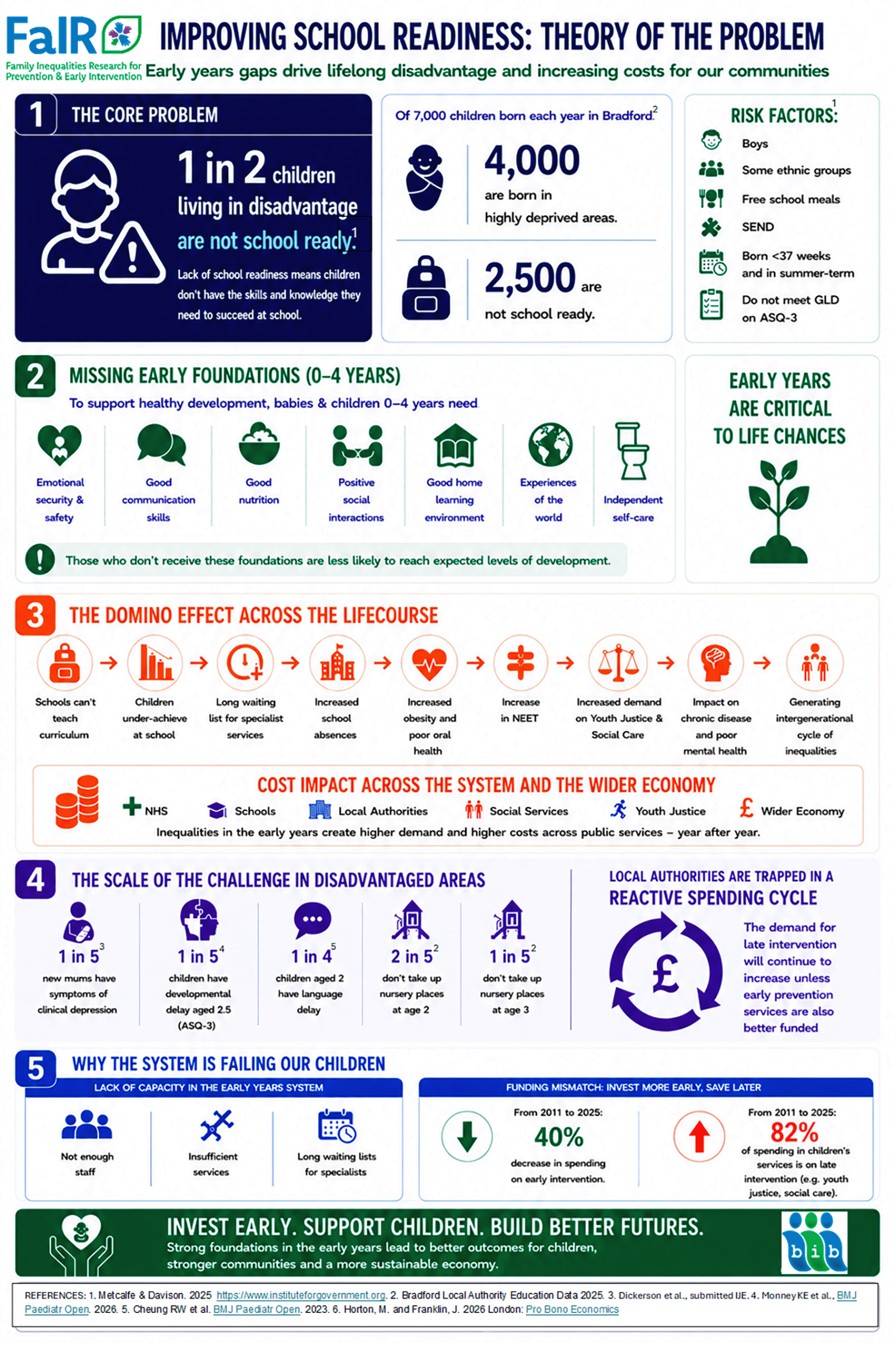
1.1 ‘Define’ (the focus of the inquiry): This step was undertaken by the research team (JD, SA) and practice leads (KB, NJ, DL, SC), using research evidence and local and national data to co-create a ‘Theory of the Problem’ ( Figure 1) describing the causes of low levels of school readiness. Workshop One presented the theory of the problem in detail followed by the opportunity for participants to ask any questions and ensure there was a good understanding and agreement on the definition of the problem.
1.2 Discover & Dream (the best of what is; what might be): Participants were then asked to identify what is working well in the current early years system (‘Discover’) to develop positive solution focussed thinking. They were asked: what is working well to help so many children achieve a GLD, despite any disadvantages they may face? This was followed by an exercise wherein participants were asked to imagine the ideal solution (‘Dream’): What would increase the number of children achieving a GLD? Dream Big! Imagine you have a blank slate and no budget limitations - what would an ideal early years system look like?
- Workshop adaptations for community participants
To facilitate the community workshop, the definition of school readiness was first explained to community members, and the theory of the problem was described using lay terminology. For the Discover element, community members were asked to think about their own experiences and/or those of other parents that they knew to answer the question: What is working well for families in Bradford to help their children be ready for school? They were then asked to Dream: What support or services would you like to see that would be helpful for children in your community to be ready for school? To facilitate this further in a community group with parents with limited English, the Zine-making method33 was used to visually develop a “dream” early-years service which participants were then asked to talk through. Community participants were not explicitly asked to consider the five domains of the social determinants of health, but the notes taken by researchers were allocated post hoc into those domains.
This session was again completed separately with each set of participants (community, school, and prevention partners).
Design (what should be). This second workshop brought the integrated findings from all workshop one sessions back to the participants. These were talked through as a group and feedback taken to sense check the findings and make any necessary amendments to improve clarity and acceptability of wording.
This workshop brought most participants together into a single workshop, alongside new participants who represented practitioners working directly with families in the early years across health, local authority, and voluntary sector organisations (i.e. the same organisations as the board members). A further workshop was held for community participants who could not join the larger group session. Prior to the third workshop, a Theory of Change was developed by the research team (JD, SA, HH, KD) and key practice leads (AT, SC, NJ). The purpose of the theory of change was to catalyse the transformation of the Dream early years system into an actionable plan. The theory of change was presented to the participants, firstly explaining the purpose of the theory of change before going through each component in detail. Participants were asked to sense check the model and amendments were discussed and made via feedback as a group. In this workshop, the feasibility of developing local delivery plans were also tested by asking participants to focus on the actions section of the theory of change. The cause and effect “Fishbone” diagram method was applied - a visual method that allows participants to focus on the causes of the specified problem, and to develop comprehensive action plans to address the causes and achieve the solution.34
Notes were taken at each of the workshops by the research team (JD, HH, KC) and for partnership workshops, by lead partners (SC, AT, KB, NJ), as well as by participants themselves on handouts and post-it notes. Written notes were typed up and stored within secure research data systems. Individual participants were not identifiable in any notes.
Personal contact details required for the study were stored in a secure folder only accessible by the research team. All consent forms were scanned and stored electronically, in a secure folder separate to the contact details and the workshop notes. Once the analysis period and study dissemination activities are complete, the personal contact details and all hand-written notes will be deleted from the research system.
The workshop outputs were analysed using the Framework Method for qualitative research.35,36 Written notes were combined into a matrix output, using the five domains of the social determinants of health as the column headers and the rows/cases defined as the individual sets of notes available for each session. Three researchers (JD, HH, KD) took this framework and coded themes independently. The three outputs were compared, discussed, and agreed before a final set of themes were collated by JD and reviewed by HH and KD. Illustrative quotes used in this paper are verbatim from participant handouts and post-it notes and from researcher notes when they were written in quotation marks. The theory of change was developed using established principles to provide a way to identify and structure the multiple solutions required to address this complex problem.37
PPIE Statement
The PPI in this study is embedded within the co-production process which includes workshops with community members.
In total, 44 participants took part in workshop one, of whom 35 also took part in workshop two, and 30 in workshop 3. Thirty practitioners also participated in workshop 3. Table 1 provides a breakdown of the participants area of expertise.
| Workshop 1 | Workshop 2 | Workshop 3 (group) | Workshop 3 (separate) | |
|---|---|---|---|---|
| Community | 16 | 14 | 2 | 10 |
| ECEC and schools | 8 | 6 | 3 | 3 |
| Stakeholders | 20 | 15 | 12 | - |
| Practitioners | - | - | 30 | - |
| Total | 44 | 35 | 17 (+30) | 13 |
The theory of the problem ( Figure 1) synthesised the research evidence on the conditions required to support healthy, equitable early child development and the challenges facing current early years services, including funding cuts and workforce capacity constraints. This was combined with national and local data describing the current context of child outcomes and family vulnerabilities. Two aspects of the data were particularly influential in shaping discussions: (1) presenting the absolute number of children affected alongside percentages, and (2) disaggregating district-wide summary statistics into smaller area-level statistics to identify inequities that are otherwise hidden by population averages. The theory of the problem also highlighted the long-term educational, health, social care, and economic consequences of poor school readiness, demonstrating the value of early intervention and prevention for improving outcomes and reducing future service demand.
Participants acknowledged that the existing early years system is fragmented and difficult for families to navigate. The overarching “dream” was for a system-wide shift - moving from one that is organised around the needs of individual organisations to one that is integrated, coordinated and family-centred, offering a seamless service for families. The analogy brought to life in the workshops and through the Framework analysis, was that of a Ferris Wheel journey which families board at the beginning of pregnancy, journey smoothly through early-years services and support as their child grows, before alighting when their child is successfully ready to learn at school. To make the Ferris Wheel work smoothly, participants identified a set of underlying mechanisms comprised of four interdependent ‘gears,’ each containing multiple ‘cogs,’ alongside three vital ‘levers’ ( Figure 2). Together, these elements were viewed as essential for delivering a coherent and effective early years system. Each of these were sense checked and revised in Workshop 2 and are described below.
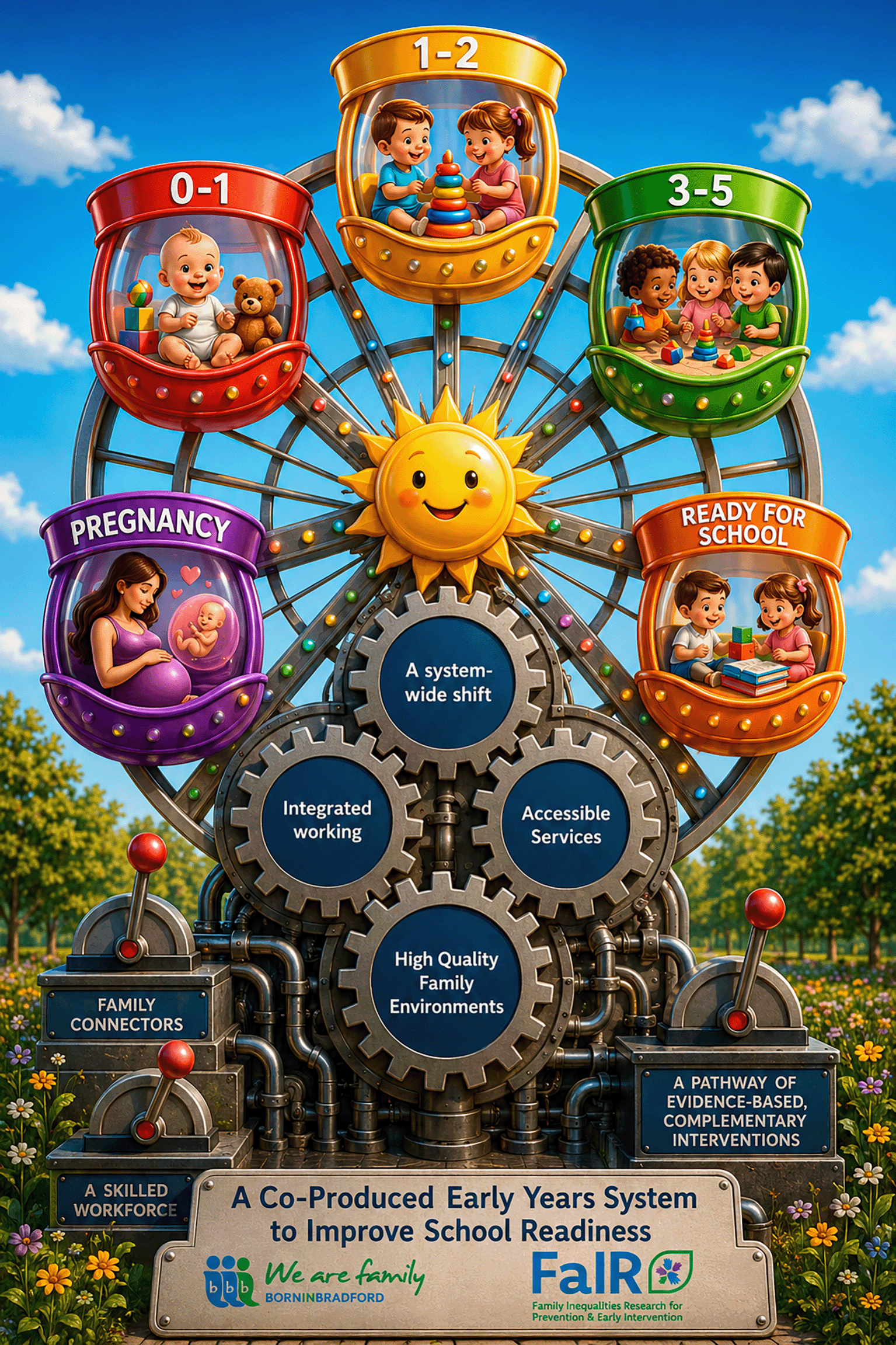
‘Gear 1’: A System-wide Culture Shift
1.1 Commitment to a collective vision and one accountability infrastructure
There is a need for change among senior local leaders and national policymakers, centred on a commitment to a shared early-years vision, clear priorities, and removal of competing agendas. There is a need to redesign the system to clarify roles and responsibilities and be supported by one accountability framework. The private sector should be actively engaged through corporate social responsibility, and learning from prior successful approaches to partnership working and commissioning in the locality should be taken and replicated.
“One accountability infrastructure – one system, one strategy with shared priorities (and no competing priorities)” [Board member]
1.2 Commitment to prevention and proportionate universalism
The system shift also requires a change from the current reactive approach of addressing problems after they have occurred, to a prevention-focused proportionate universalism approach which offers support to everyone, proportionate to need, and that can consequently prevent and/or intervene early to stop problems becoming entrenched.
“Not delivering everything to everyone, be needs led” [Board member]
To do so successfully, there is a need to ensure sustained investment in early-years services from conception to the end of reception so that families can receive support in line with their needs. There is a particular need for additional support for the home learning environment, recognising its’ critical role in child development and that families require support to provide this effectively.
“Starts at earliest point of contact, pregnancy onwards …. Babies, early years as the answer – need support before nursery/education” [Board member].
“There’s not much [available] before the age of two” [Community participant].
1.3 Commitment to address the causes of inequities family poverty
There is a clear need to tackle the root causes of inequity, particularly family poverty, with a shared expectation that all children should have access to nutritious food, warm, good-quality housing, safe neighbourhoods, and high-quality services.
“Stop ignoring family poverty … Support families who are struggling financially so that they have the ability and capacity to do the best by their kids” [Board member]
Support should extend to families above current financial eligibility thresholds (e.g., free school meals) who are also struggling, with participants agreeing support should be directed by need and not by any financial criteria.
“[many services] are only for those who get free meals” [Community participant].
1.4 Breaking intergenerational cycles
There was an ambition to break intergenerational cycles of inequity by supporting every child’s aspirations, health, and opportunities. In addition, children should be equipped with the skills and knowledge to support their own children in the future, including preconception health, financial capability, parenting readiness, and child development. The ultimate vision was to enable children to feel pride in living in their local area and city.
“Children’s potential is maximised … Developing homegrown talent” [ECEC participant].
1.5 Recognise the importance of individuals over targets, and children over bureaucracy.
The final system-shift identified was the need for significant improvements in data sharing between organisations so that families tell their story once and records transfer seamlessly. Such data sharing would enable more effective safeguarding, integrated working (e.g. all services able to identify children eligible for mandated visits/services), whilst also maximising research and evaluation potential.
“Ability for all services to know ‘Who is this child, and what are their needs’” [Board member]
There was a clear call to review national and commissioner imposed rigid ‘targets’ to ensure that they serve children’s needs rather than system convenience. Similarly, that impact should be measured through meaningful outcome measures and a focus on family strengths, rather than being driven by compliance. Challenges were raised to reassess expectations around school readiness by age five (e.g. learning from Scandinavian early years policies) and policies that penalise families for taking children out of school for genuinely enriching experiences.
“A shift in how we measure impact - are we currently ticking the box and missing the point?” [ECEC participant]
“Gear 2”: Integrated Working
2.1 A single integrated offer to families
This theme focussed on the need to develop a single, integrated early years offer to families underpinned by shared leadership and collective responsibility across organisations. This should include shared strategies, pooled resources, and coordinated commissioning across statutory and voluntary organisations. Such an approach would enable services to operate as a cohesive system and move away from the current fragmented provision. There was a recognised need to reduce duplication across services through true co-location, integrated teams, and shared use of existing strengths.
“No more muddy paths” [Board member]
“One service for families … . services all under one hat” [Board member]
2.2 Pooled budgets
There was an ambitious call for all organisations that deliver services to babies, children and young people (ages 0 to 19) to commit to offer a small proportion of their overall budget to early-years services as these later services will benefit economically from better and earlier prevention. In addition, fragmented, small pockets of funding should be combined into larger, higher-impact investments, and new investments should be coordinated using a joint approach.
“New investment with a joint approach … Different services share resources to ease the burden” [Board member]
2.3 Sustainable Delivery Models
Preventative early years services need to be protected from short-term policy funding cycles. Sustainable models to achieve this include proactive planning for future opportunities, shared commissioning, and utilisation of community assets (e.g. community involvement, community venues) to sustain delivery.
“Family centres have a sustainable model, protected against funding cuts [for example] families and communities involved in [running] them” [Board member]
2.4 Skilled, sustained, and integrated workforce
To achieve truly integrated working, a shared workforce strategy across all early-years services was seen as key, underpinned by a consistent training programme covering child development, early identification of need, language development and SEND (See Lever 3 – Knowledge).
“One trusted set of reliable messages from all services – everyone doing the same thing with the same voice” [Board member]
Changing the way that the workforce works across early years services was a common theme in the workshops, leading to it being identified as a key lever for a successful early years system.
“Lever 1”: A Skilled and Aligned Workforce
Participants identified some essential elements across the workforce including the need for all practitioners to undertake a single training package using shared tools and clear guidance to deliver family focussed and culturally competent support alongside a consistent, trusted set of messages to families. This training would cover key early years topics (see Lever 3 – knowledge) and awareness of the other services that are available and how to refer into them. All parts of the workforce – including private nurseries, childminders and school nurseries should have equitable access to this training, tools, and referral pathways.
The entire workforce should be supported through high quality recruitment, leadership, and continuous professional development, building on existing workforce training strategies. Linking back to the earlier sub-theme of developing opportunities for children’s futures, there was an ambition to prioritise the development of local talent, offering better support into qualifications and early years career paths. This would enable the workforce to be representative of the families that they are supporting in terms of age, sex, ethnicity/culture, and spoken language. Finally, there was a clear call for all practitioners to feel valued and empowered which could be achieved through high quality training and greater flexibility in their roles to prioritise family support over pressurised targets.
“Gear 3”: Accessible and Inclusive Services That Reach Those in Most Need
3.1 Delivered in the heart of the community
The third theme emphasised the delivery of the above integrated early-years services within safe, trusted, child-friendly community spaces such as schools, family hubs, religious settings, and outdoor spaces. These should be within walking distance of family’s homes which was defined by parents in the co-production as a maximum of ~0.5 miles/10–15 mins walk. These trusted places would bring multiple services together in one place.
“Family centres within reach, in the heart of every community, for every family” [Board member]
3.2 Well-resourced outreach and engagement
As well as being accessible, these services need to strengthen engagement with local families using incentives and activities that appeal to local communities. Local hubs need to be visible - supported through promotion by other services, proactive outreach alongside tailored engagement to reach diverse and underserved families. Suggested outreach included: a) visiting large employers so that parents can engage and access support during working time; b) visiting existing parent groups/community centres where parents feel safe; and c) offering transport to specific services/hubs where outreach is not possible.
“[services visiting an existing community group] would make our day!” [Community participant]
Families who are vulnerable or not engaged in services need to have a single point of contact to navigate services – a “family connector.” These ‘connectors’ need to reflect the local community in language and cultural background, engage through home visits, and build trusted relationships, enabling families to have positive experiences with services (See lever 2 – family connectors).
” We felt fearful that we are not educated or don’t understand English so it’s difficult to communicate with [services]” [Community participant]
3.3 Inclusive and non-stigmatising offers
There was an agreed need for services to offer inclusive, non-stigmatising provision that is supportive of all parents and carers (e.g., fathers/grandparents) and for families who also have older children. Evening and weekend services were seen as important to ensure wider accessibility for working parents.
“Families don’t just need support Mon-Fri 9-5!” [ECEC participant]
All hubs should have staff from local communities, with local languages, backed up by good-quality interpretation services for less common languages, to break down barriers, enhance trust, and ensure inclusivity. Information should not just be given in leaflets but in meaningful ways that suit individual families to ensure understanding and impact. Accessing help and taking-up interventions need to be seen as a strength and ‘normalised’ across all communities.
“Make accessing parenting programmes the norm … destigmatise by making it a universal offer” [Board member]
3.4 Delivery of an aligned programme of evidence-based programmes
Service delivery should be underpinned by a coherent, system-wide offer of interventions that are selected based on local needs identified in the data and that are evidence-based.
“Everything we deliver is evidence-based” [Board member]
However, whilst the focus should be on evidence-based programmes, it was agreed that it is important to also offer fun and appealing activities that work to engage local families. This offer should span the entire early years (from conception to end of reception) and be offered based on family need and no other criteria. Co-production with parents and children was seen as a golden thread that needs to run through all delivery, and all programmes should adopt a continuous evaluation model to ensure they are meeting the needs of families.
“[Parents and] Children’s voices built into the design of services” [Board member]
“Lever 2”: Early Years Family Navigators
There was strong agreement across participants of the need for a dedicated “early-years family connector” role, specifically designed to support families from pregnancy to the end of reception. These roles would focus on supporting families who are vulnerable and/or who are not accessing the available services. The connectors would be alerted to families who were not accessing universal services, and would then undertake targeted outreach. The connectors would need to take a flexible approach to the family’s needs, using home visits and relational approaches to build trust and understand the family context, before helping families to break-down barriers to engagement and helping them to access services. The connectors need to reflect the culture and lived experiences of local communities as well as speaking common community languages where relevant. There was recognition that there needs to be sufficient capacity, based on the level of need in each locality, to ensure that the connectors are able to reach all families who need such support.
“Gear 4”: Empowered Parents/Carers who are Knowledgeable and Capable.
4.1 A family-system approach
This theme emphasises a whole-family approach that positions parents and carers as capable partners working to provide the best developmental support to their children. It was acknowledged that some parents/carers need reassurance and/or support to build their knowledge in order to effectively support their child’s development (see Knowledge lever), and that there are many reasons that they may not ask for this directly.
“We want our children to learn well, we want guidance … information on what to do to help” [Community participant]
Families therefore need support to know what services are available, to be able to engage in these services, and to receive information to help them support their child’s development and empower them to prevent issues and/or identify them early and access appropriate interventions and support.
4.2 Parents have the knowledge and capacity to support their children.
The knowledge support would provide consistent, evidence-based information, delivered using a range of methods to strengthen parent/carer’s confidence, build knowledge and challenge misinformation. The way that this information is shared should be flexible and be co-produced with communities to ensure it reflects local cultures and language/educational needs. Importantly it must be more than simply sharing written information. Alongside early years services trusted local community and family-friendly assets - such as libraries, museums, and faith settings should be trained to reinforce these messages.
“Upskilling parents -working with parents & services … empower parents to take ownership over children’s development” [Board member]
Alongside this, families are supported to access welfare and benefits support to enhance their finances. Practitioners and community participants were both clear that this support should be inclusive, providing support to all families, with the level of support tailored based on specific needs.
“Average families are missing out. There is support for some working families, those who get free school meals but not for the average family. There [needs to be] outreach for all vulnerable families” [Community Member]
“Lever 3”: Parent/Carer and Workforce Knowledge
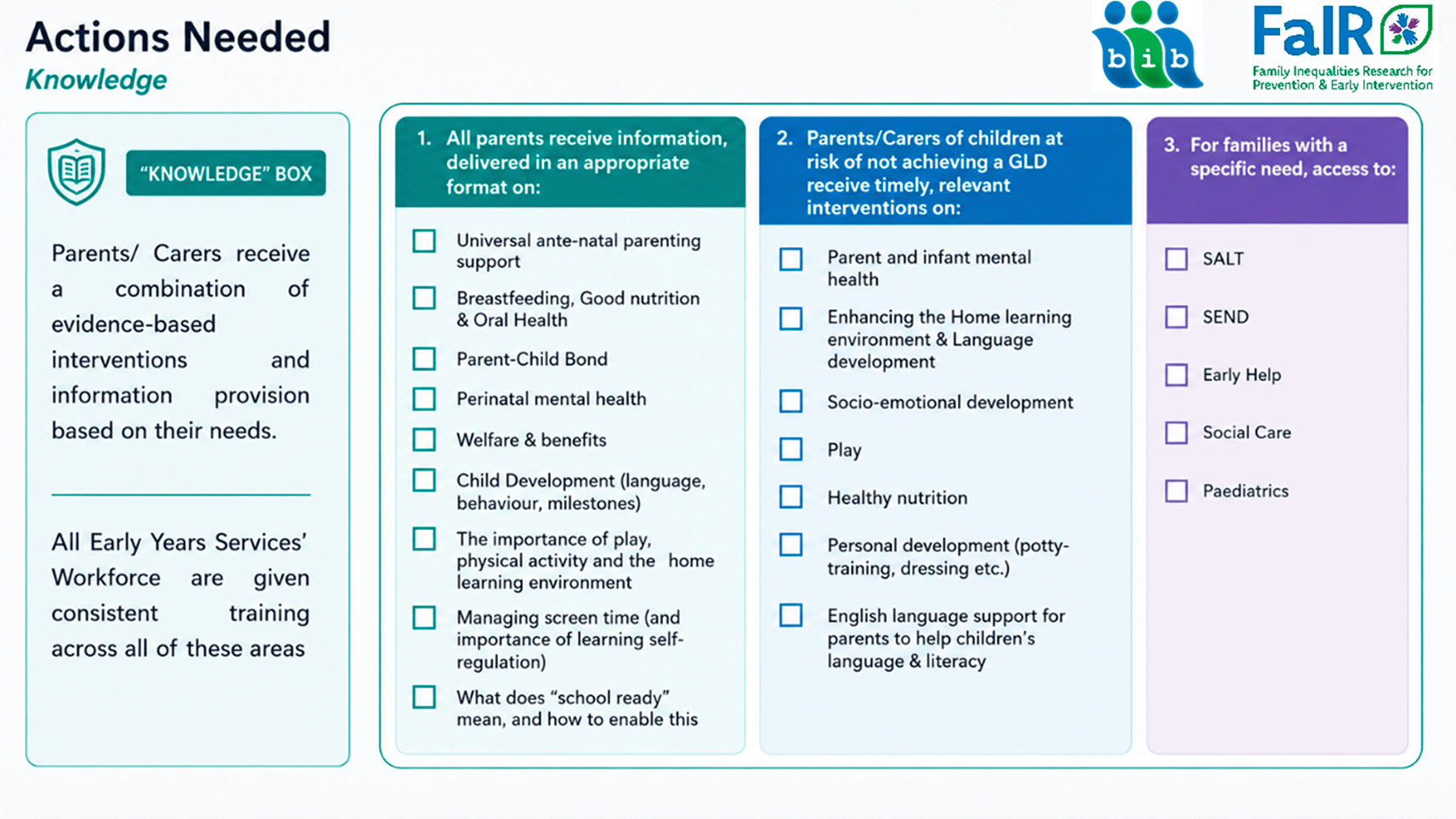
Throughout the workshops there were repeated calls for specific support to ensure that all parents/carers have knowledge on key elements of early child development, and that the whole workforce provide consistent messaging. There was a specific concern across all participants about a lack of support on how to manage screen time and to support children to self-regulate without screens as a distraction. Further important topics highlighted were the importance of understanding what school readiness means, and the value of the home learning environment. Figure 3 provides a list of key knowledge that all participants agreed that parents/carers should be provided with. It was also recognised that this could be used as the foundation for a consistent training programme for the workforce. The group felt it was important that this information and learning was designed to be meaningful and not just handed out as written information.
Developing a theory of change
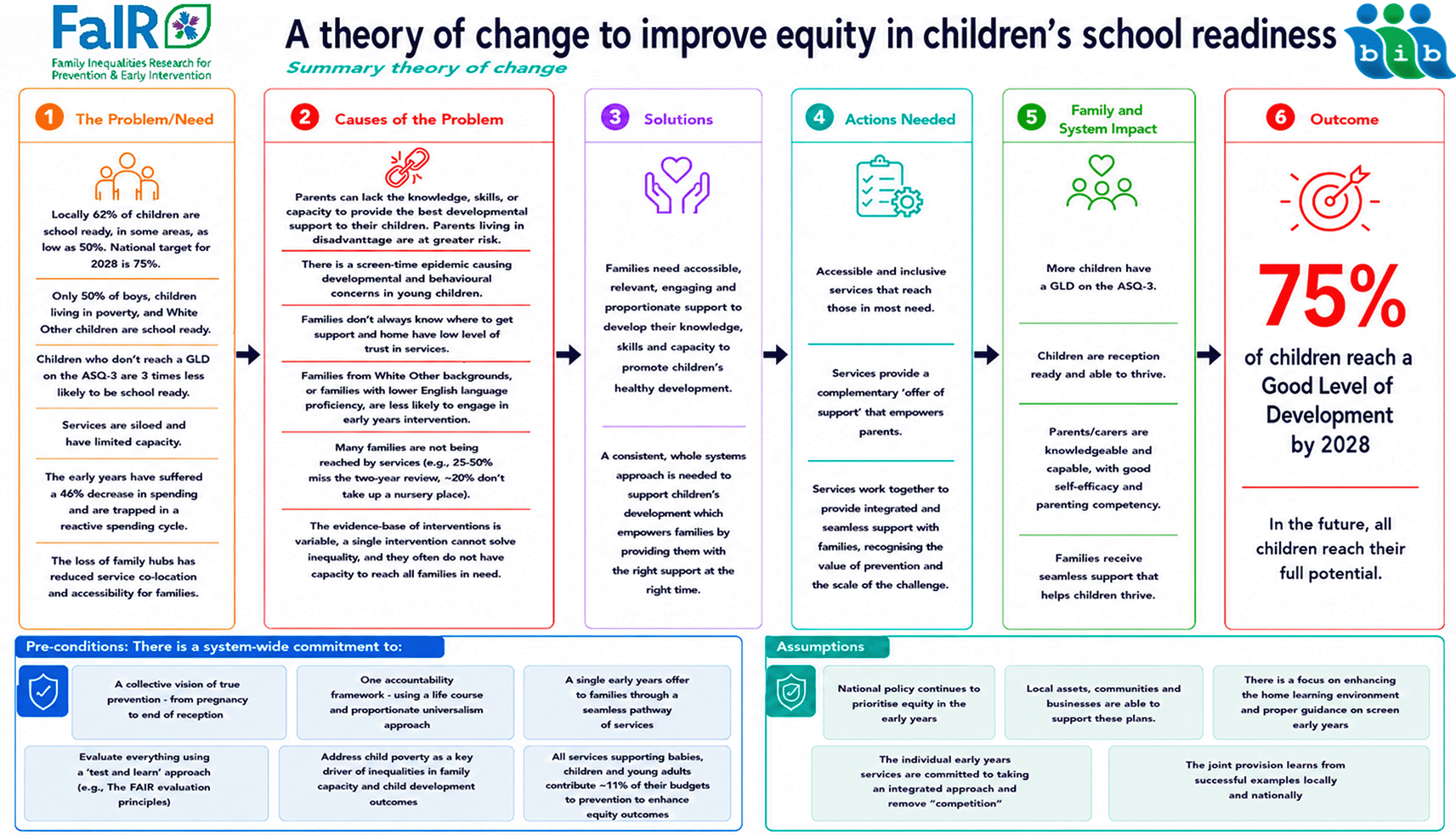
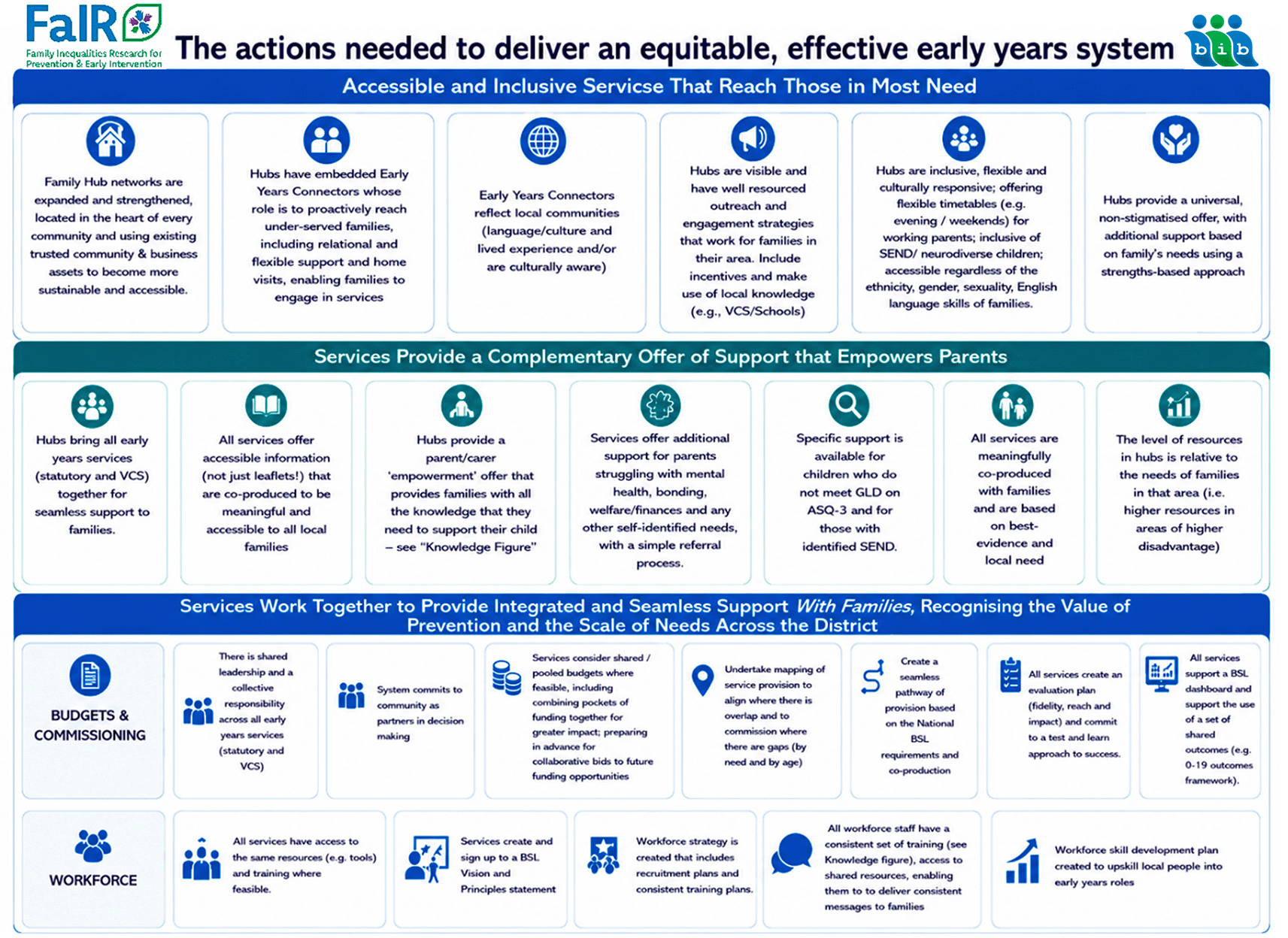
A summary Theory of Change can be seen in Figure 4, the full map can be seen in Supplementary figure S1. The theory of change created a flow from the theory of the problem ( Figure 1) to the intended impacts of the dream solution, utilising notes from the Discover & Dream sessions to create solution focussed actions. The “pre-conditions and assumptions” highlight the elements that are essential for the new system to be successful, but that are not necessarily in control of the local system services. The actions were split into three core themes: 1) Services are accessible and inclusive, reach those in most need; 2) Services provide a complementary offer of support that empowers parents and 3) Services work together with families to provide integrated and seamless support, recognising the value of prevention and the scale of need ( Figure 5).
Testing the feasibility of developing action plans
In workshop 3 participants were asked to prioritise the actions to create action plans. Participants found it challenging to prioritise the actions within the theory of change, noting that they were all necessary and contingent upon one-another to make a significant shift to the early years system. Nevertheless, seven actions were selected (Expanding the family hubs; Embedding early years connectors; Hubs are non-stigmatised, culturally responsive and inclusive; Shared leadership and collective responsibility across early-years services; Mapping of service provision; System commits to community as partners in decision making; Creation and sign-up to a shared vision and purpose statement). The use of the fish-bone diagrams proved successful to translate each of these actions into clear action plans to create a pathway to implementation. It was agreed that the group would continue working together at a series of future workshops to plan out all the actions.
We have successfully co-produced a blueprint of an early years system which is focussed on improving equity in children’s critical early years of development. The key themes that have emerged are not new - many have been highlighted before in the research and practice literature, and in the overarching Best Start in Life strategy [e.g.,].22,38–40 What is unique about this model is that it brings all these elements together and highlights how every single component is inter-dependent on each other (a Ferris Wheel cannot work without all the gears, cogs and levers being in place), and it takes this further by defining a specific set of actions ready for translation into local delivery plans.
Thinking about problems and solutions at a systems level is challenging. By breaking the process down using the 5-Ds, and reference to the levels of the system (policy, environment, services, workforce and families), participants were able to consider each of these elements and the analyses combine these, to ensure the complexity and inter-dependency of components within the system were captured in a way that can then be addressed.
This study adopted a methodological framework to undertake comprehensive co-production with a wide range of stakeholders involved in all services from conception to end of school reception, alongside community participants. However, given the size of the early-years system and the wide-ranging communities it is likely that we have not captured all views or perspectives. Nevertheless, throughout the process we found strong themes that were common across stakeholders, ECEC and school partners and community perspectives. This gives us confidence in the feasibility, acceptability, and generalisability of this blueprint. Similarly, we recognise that there will be differences in service availability and community needs in other areas. To address this we have endeavoured to make the final outputs generalisable and relevant to other areas by intentionally not including the fifth “D” in this paper - the creation of a “Deliver” plan. Instead, the existing blueprint can act as a catalyst to enable local areas to develop a plan that works within their existing services and communities. Further testing and modification of this blueprint in other areas would help to strengthen confidence in the wider scalability.
For children to reach their full potential, a system wide response is needed. The system needs protected funding and service capacity with shared accountability from the highest levels of policy making, through decision makers and commissioners, to the practitioners on the ground. Services need to be fully integrated and available close to where families live, work and socialise. The workforce needs to be well trained, empowered, and able to provide consistent messaging alongside knowledge of available services for appropriate referrals. There needs to be sufficient resources for outreach to enable services to reach all families and to deliver high quality services that make a difference. Finally, we need a flexible, culturally responsive approach to ensure that all families can access and engage in services and become knowledgeable and empowered to provide the best possible start for their children. To do this, we need to learn from, and work alongside families, whilst remembering that one size does not fit all. All of this is achievable, but failure in any part of the system will stop children from having their right to a fair start in life.
Provide sufficient details of any financial or non-financial competing interests to enable users to assess whether your comments might lead a reasonable person to question your impartiality. Consider the following examples, but note that this is not an exhaustive list:
Sign up for content alerts and receive a weekly or monthly email with all newly published articles
Register with NIHR Open Research
Already registered? Sign in
If you are a previous or current NIHR award holder, sign up for information about developments, publishing and publications from NIHR Open Research.
We'll keep you updated on any major new updates to NIHR Open Research
The email address should be the one you originally registered with F1000.
You registered with F1000 via Google, so we cannot reset your password.
To sign in, please click here.
If you still need help with your Google account password, please click here.
You registered with F1000 via Facebook, so we cannot reset your password.
To sign in, please click here.
If you still need help with your Facebook account password, please click here.
If your email address is registered with us, we will email you instructions to reset your password.
If you think you should have received this email but it has not arrived, please check your spam filters and/or contact for further assistance.

Comments on this article Comments (0)