Keywords
Candidozyma auris, Candida auris, C.auris, cost-effectiveness, evidence map, systematic review, United Kingdom

Candidozyma auris, Candida auris, C.auris, cost-effectiveness, evidence map, systematic review, United Kingdom
Candidozyma auris (C. auris) is an emerging multidrug-resistant fungal pathogen of increasing concern in the United Kingdom (UK). First identified in 2009,1 C. auris has spread globally and it was designated a critical priority fungal pathogen by the World Health Organization in 2022 due to its association with severe invasive infections, high mortality, and healthcare-associated transmission.2,3 The pathogen has developed resistance to many available classes of antifungal agents, with emergence of pan-resistant strains.2,4 Furthermore, environmental persistence enables nosocomial transmission and sustained healthcare associated outbreaks.2,5
The epidemiology of C. auris in the UK is evolving rapidly.6 After a temporary decline during the COVID-19 travel restrictions, detections rose to 212 cases in England in 2024. Cases are defined as the first confirmed C. auris isolate, colonisation, or infection. From 6 April 2025, C. auris was designated a notifiable organism in England, mandating laboratory reporting, although reporting coverage and ascertainment continue to be enhanced. The UK Health Security Agency (UKHSA) epidemiological analyses indicate that most cases represent colonisation rather than invasive disease and note that surveillance reports assume lifelong carriage once colonised; therefore, repeat detections are not counted as new cases.6
Although C. auris poses an escalating threat, decision-makers face a paucity of economic evidence to guide resource allocation towards effective outbreak prevention and control. While the UK operational guidance emphasises screening, isolation, and enhanced hygiene,7 the value-for-money of these interventions, encompassing the full economic evaluations as well as operational cost descriptions and resource-use recommendations particularly in the non-acute settings, remains unclear. Therefore, in this review commissioned by the UKHSA, we synthesise the available international evidence on the economic impact of infection prevention and control interventions for C. auris outbreaks across the care continuum.
The review was conducted in accordance with the Preferred Reporting Items for Systematic reviews and Meta-Analyses (PRISMA) guidance.8 A completed PRISMA checklist is included in the Supplementary Materials. In anticipation of a limited evidence base, this review was designed as a systematic review embedded within a broader evidence map. Studies that did not meet the criteria below for inclusion in the systematic review but contained information of potential relevance (e.g., costs or resource use) were included in the evidence gap map. The protocol for this review was prospectively registered on the PROSPERO database (CRD420251159358). Full protocol can be found via NIHR Awards page (www.fundingawards.nihr.ac.uk/award/NIHR177720).
Given the main objective of this work was to map and synthesise economic evidence and institutional cost outcomes from existing international studies, direct patient or public input was not feasible or applicable.
Inclusion criteria for the systematic review are presented in Table 1. Studies that reported clinical effectiveness outcomes alone were excluded. Studies of fungal infections in healthcare settings in general were also excluded. Studies from low- and middle-income countries (LMICs) other than South Africa were eligible for inclusion in the mapping review but not in the full synthesis.
| Domain | Criteria |
|---|---|
| Population | Patients of any age infected or colonised with C. auris or at risk of infection/colonisation; infection prevention and control (IPC) teams and other relevant health professionals; patients’ family members or other visitors; local, regional and national decision-makers. |
| Interventions | Strategies for prevention and management of C. auris outbreaks, including (but not limited to) those recommended in the current UK guidance for acute healthcare settings.35 |
| Comparators | Alternative strategy; before vs. after; natural experiment; or none. |
| Outcomes | Primary: any incremental or comparative value-for-money outcomes (ICERs, cost per QALY/life-year, cost per infection/case detected, or explicit net monetary benefit). Secondary: measures of resource use, e.g. length of treatment and excess length of (hospital) stay. |
| Study types | Empirical economic analyses, modelling studies and systematic reviews reporting relevant outcomes. Studies reporting costs were documented in the evidence map. |
| Other | Evidence from high-income countries (as defined by the World Bank) and South Africa, published between 2015 and 2025, focusing on interventions in both acute (e.g., hospitals, intensive care units) and non-acute (e.g., long-term care, rehabilitation facilities, diabetic foot clinics, community podiatry clinics) healthcare settings. |
Studies conducted in LMIC settings were excluded from the systematic review because intervention costs and outbreak response pathways were anticipated to differ substantially from those in the UK National Health Service (NHS), thereby reducing direct transferability to UK setting. South Africa was retained because it has a comparatively extensive published literature on C. auris outbreaks and outbreak-relevant epidemiology,9 including early candidaemia reports,10 national surveillance,11 major shifts in candidaemia burden,12 national guidance,13 strain typing and clade distribution,14,15 hospital-based clinical series, and neonatal outbreak investigations,16,17 and may provide useful inputs for economic modelling, but its cost results are still treated as non-UK-transferable.
We systematically searched eight electronic databases (BIOSIS Citation Index, BIOSIS Previews, CINAHL, EconLit, Embase, MEDLINE, Scopus, and Science Citation Index expanded). This was supplemented by a grey literature search comprised of targeted Google searches and a review of websites of relevant public health organisations. The search string consisted of a combination of controlled vocabulary (e.g., MeSH, Emtree) and free-text terms for ‘Candida auris’ and its synonyms. The search was restricted to records published between January 2015 and November 2025. Specifically, formal database searches were conducted between 7–8 October, grey literature was searched between 15–29 October, and citation chasing was conducted on 17 November 2025. Non-empirical publication types, including commentaries, errata, or news articles, were excluded from the search results. The MEDLINE search was translated across databases and platforms taking account of index terms and syntax on the different databases. All search strings used for information retrieval are included in the Supplementary Materials.
Identified records were imported into the Rayyan review platform for de-duplication and study selection.18 Rayyan was further used to record eligibility decisions, facilitate data extraction, and to record decision of quality assessment. Google Drive was used as a centralised repository for managing documentation and the extracted data.
The initial screening of titles and abstracts was conducted by a single reviewer, with a 10 per-cent sample checked by another reviewer. Subsequently, full-text screening was performed independently by pairs of reviewers. Any discrepancies in eligibility were resolved via consensus or, where necessary, through adjudication by a third reviewer.
For records of studies included in the systematic review, dual independent extraction was performed by pairs of reviewers. Any discrepancies were resolved through consensus or adjudication by a third reviewer. Records intended for the evidence map underwent primary extraction by a single reviewer, followed by a formal verification by a second team member.
The methodological quality of the studies included in the systematic review was independently assessed by pairs of reviewers using the Joanna Briggs Institute (JBI) Checklist for Economic Evaluations.19 The checklist is a 11-tem instrument that evaluates key domains, including study design, clinical effectiveness, measurement of costs, and generalisability of findings. Each domain is appraised as either ‘yes’, ‘no’, or ‘unclear’. If a given question is not relevant, the corresponding response is marked as ‘not applicable’. Summary of quality assessments was generated using online tool ‘robvis’ (mcguinlu.shinyapps.io/robvis/). Illustration was further edited using Canva (www.canva.com).
We conducted two distinct narrative syntheses for the subsets of studies meeting the systematic review criteria, and the broader collection of records identified for the evidence map. In addition, the total body of the 11 studies was mapped to visualise areas of robust evidence and identify critical research gaps. Evidence map was prepared using Canva (www.canva.com).
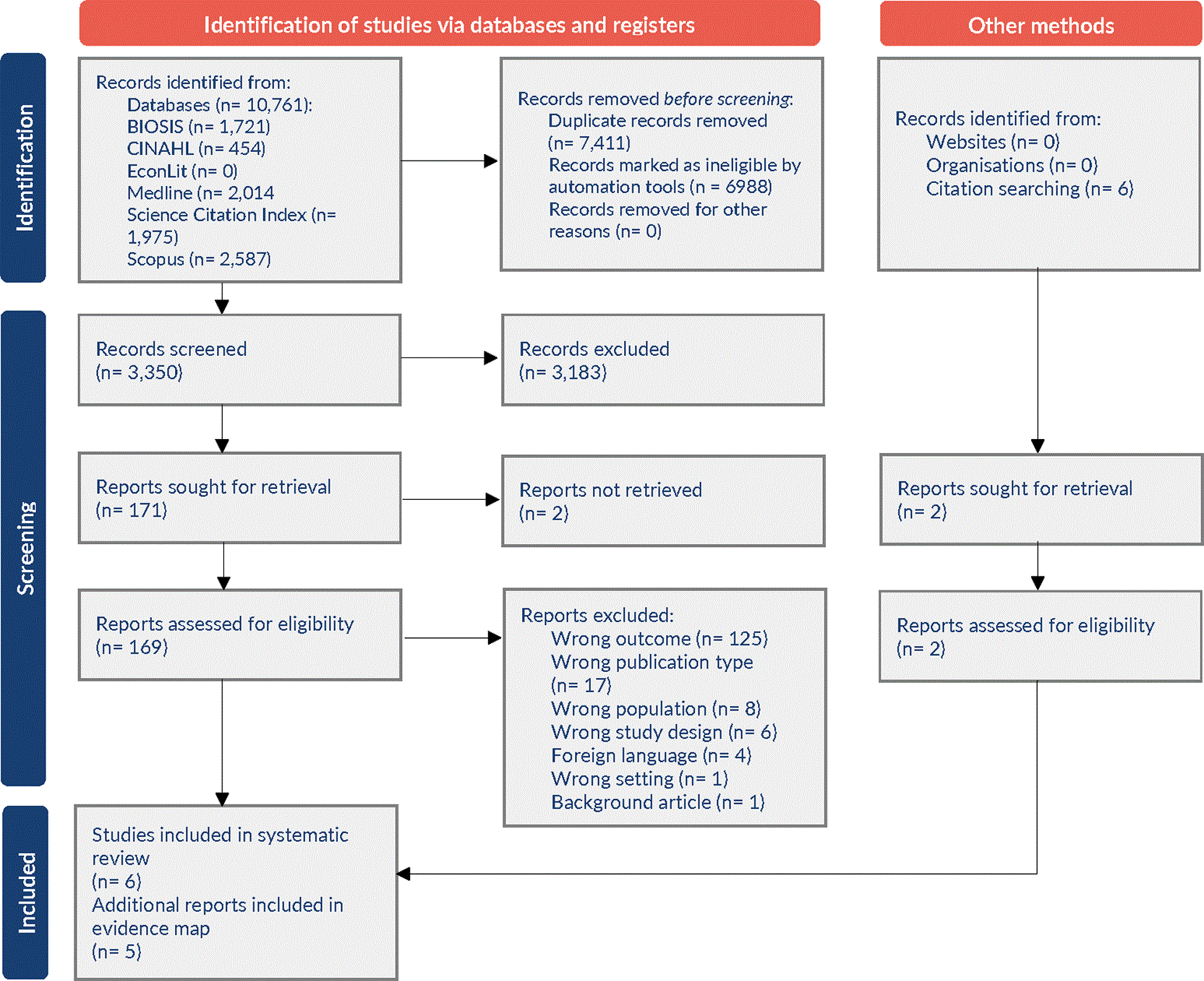
The study selection process is illustrated in Figure 1. Following de-duplication of the initial bibliographic search, 3,350 unique citations underwent title and abstract screening. Of these, 171 reports were identified for full-text eligibility assessment; however, two reports could not be attained despite exhaustive retrieval efforts. Of the 169 reports subjected to full-text appraisal, 160 were excluded with reasons (e.g., irrelevant intervention or lack of economic data). An additional two reports were identified through references searching of included studies. Ultimately, 11 studies met the criteria for inclusion in the broader evidence map, a subset of which (n = 5) satisfied the criteria for the formal systematic review.
Individual judgments for each study using the JBI checklist for economic evaluations are presented in Figure 2. It is noteworthy that none of the studies received positive appraisals for all 11 questions. The only two domains that received positive appraisals across all other studies involved questions about research questions/objectives and the description of the intervention(s) considered in the economic evaluation. Domains that failed the most across all studies involved questions referring to measures that shows the change in costs, comprehensiveness of coverage in the reporting of results, and generalisability to the setting of interest in the review.
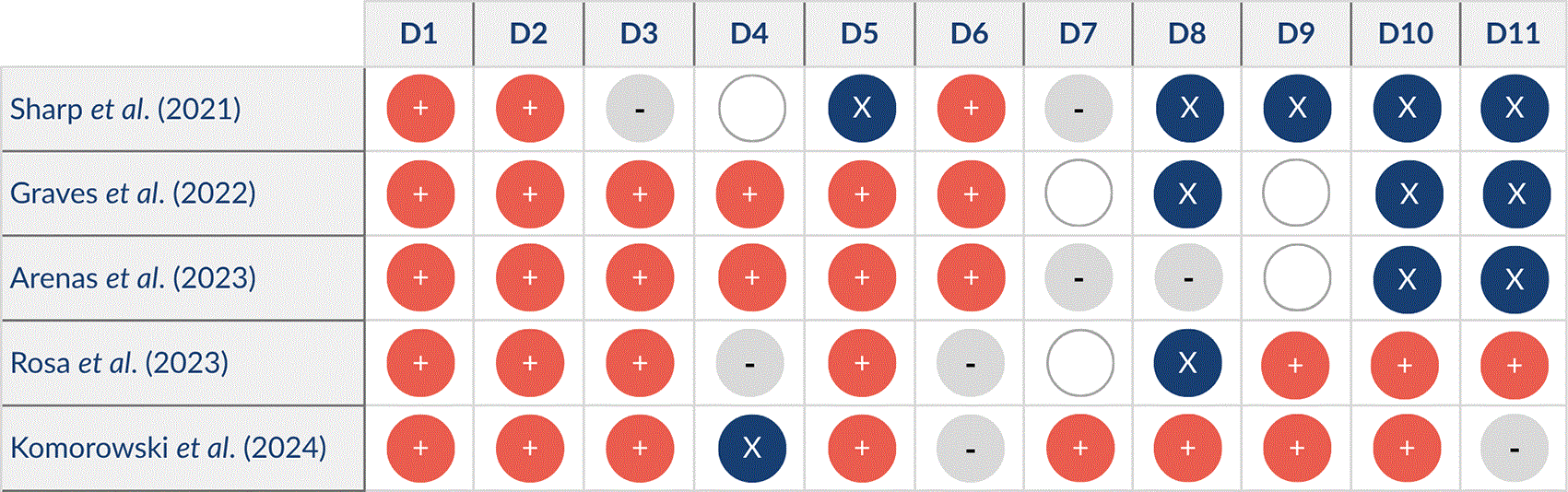
Abbreviations: D1, Is there well-defined research question? D2, Is there a comprehensive description of alternatives? D3, Are all important and relevant costs and outcomes for each alternative defined? D4, Has clinical effectiveness been established? D5, Are cost outcomes measures accurately? D6, Are costs and outcomes valued credibly? D7, Are costs and outcomes adjusted for differential timing? D8, Is there an incremental analysis of costs and consequences? D9, Were sensitivity analyses conducted to investigate uncertainty in estimates of costs or consequences? D10, Do study results include all issues of concern to users? D11, Are results generalizable to setting of interest in the review? Assessment judgements: “X”, No; “–“, unclear; “+”, yes; blank, not applicable.
Characteristics of the five studies included in the review are presented in Table 2 (Supplementary Materials). All studies were published between 2021 and 2024. Geographically, two studies were conducted at large tertiary medical centres and integrated health systems in the United States.20,21 Other investigations were conducted in a hospital laboratory setting in Canada,22 acute hospital wards in Singapore,23 and adult intensive care units (ICUs) across London, Leicester, and Manchester in the UK.24 The methodological frameworks ranged from observational designs, including retrospective and prospective cohort studies, and interrupted time series, to simulation-based approaches, including prospective verification studies.
The study populations were primarily hospitalised adults, with a particular focus on those admitted to ICUs or acute care wards who were at risk of healthcare-associated infections or had specific C. auris risk factors. One study deviated from clinical patients to involve laboratory staff using 410 simulated specimens to verify testing methods.22 Sample sizes across the clinical studies varied significantly, from 921 adults in a UK-based prospective cohort24 to 4,270 patients in a large-scale US interrupted time series.21
Specimen collection protocols were relatively consistent across studies, which often involved axillary and groin swabs. However, some studies utilised a more expansive screening approach by incorporating swabs from the nose, throat, perineum, rectum, and skin, as well as urine samples.24 Baseline C. auris prevalence upon admission was explicitly reported in two studies.21,24 The US-based study reported a polymerase chain reaction (PCR) positivity rate of 3% within their cohort.21 Meanwhile, the UK-based study detected no active C. auris cases; however, a pooled multi-site analysis yielded a 95% confidence interval of 0% to 0.4% for positivity.24
The primary outcomes reported across studies included cost-savings analyses, cost-effectiveness analyses, and costing descriptions. Cost-savings analyses were utilised in the US-based studies to measure the financial impact of transitioning from external to in-house diagnostic testing.20,21 In contrast, cost-effectiveness analyses were more common in Canadian22 and Singaporean23 contexts to assess the value of diagnostic methods and physical isolation infrastructure. Meanwhile, the single UK study focused on a costing description to evaluate the baseline resource requirements for ICU screening protocols.24
The interventions evaluated in the studies focused on diagnostic advances and physical infection-control measures. Diagnostic interventions included the implementation of an on-site or in-house PCR screening,20 culture-based screening within 24 hours of admission,24 and comparative testing methods involving chromogenic culture and broth-enrichment techniques.22 Beyond laboratory methods, one study assessed the introduction of a temporary, air-filtered isolation cart.23 Comparators varied by study design. Diagnostic studies typically compared in-house testing against external laboratory services. Other studies used internal between-group comparisons of various testing modalities or specific categories of control protocols, while some established baseline screening where a direct comparator was not applicable.
At the laboratory level, studies evaluated cost-efficiency per test and per positive case detected, finding chromogenic culture to be more economical than PCR.20–22 Indeed, two studies20,21 identified cost savings from in-house PCR testing compared to use of an external reference laboratory. In-house testing was seen as cost-effective in a setting of relatively high prevalence and patients with known risk factors.21 Furthermore, Komorowski et al.22 found that chromogenic agar culture had a lower cost per case detected than PCR at a range of different positivity thresholds, with broth enrichment adding further cost. It is noteworthy that this study used a simulated scenario in a hospital laboratory setting. In the only UK-based study, Sharp et al.24 sought to assess cost-effectiveness of culture-based screening of patients admitted to ICUs relative to no screening. Although no cases of C. auris colonisation were detected at any site, the authors estimated the cost of screening to be GBP 15–30 per patient. To screen all ICU admissions in England, Wales and Northern Ireland in 2016–17 this cost would have reached between GBP 2.5–5 million. The authors concluded that widespread screening was unlikely to be cost-effective, but organisations needed to develop their own policies based on local risk assessments. System-wide economic evaluations reported substantial cost savings, ranging from an adjusted median per-patient saving of USD 7,04520 to total health system savings exceeding USD 3.7 million.21 Beyond the direct monetary savings, operational outcomes included the valuation of freed hospital bed-days, with one base scenario valuing 1,627 freed days at approximately SGD 1.33 million.23 In their study conducted in Singapore, Graves and colleagues23 concluded that deployment of temporary isolation rooms may be cost-effective for prevention of healthcare-associated infections, with an incremental cost per life-year saved of SGD 16,519.
In terms of secondary outcomes, clinical and epidemiological measures reported in the literature primarily focus on diagnostic efficiency, infection dynamics, and mortality. A key clinical metric was the turnaround time (TAT) for screening results, which saw highly significant reduction from 11 days to 2 days in one integrated health system,21 and a reduction of over two days in a large tertiary medical centre.20 Other studies reported on prevalence rates, which remained remarkably low (0% to 0.4%) in certain UK intensive care settings,24 and broader clinical impacts, including the number of hospital-acquired infections prevented, lives saved, and total life-years gained.
Six additional studies that were eligible for the broader evidence map.25–30 Characteristics of those studies are presented in Table 3 (Supplementary Materials). The evidence gap map below illustrates that most of the evidence included herein is focused on screening admitted patients for C. auris infection or colonisation in hospital wards or intensive care units. Most included studies were performed in the USA, with a single study conducted in the UK Figure 3.25
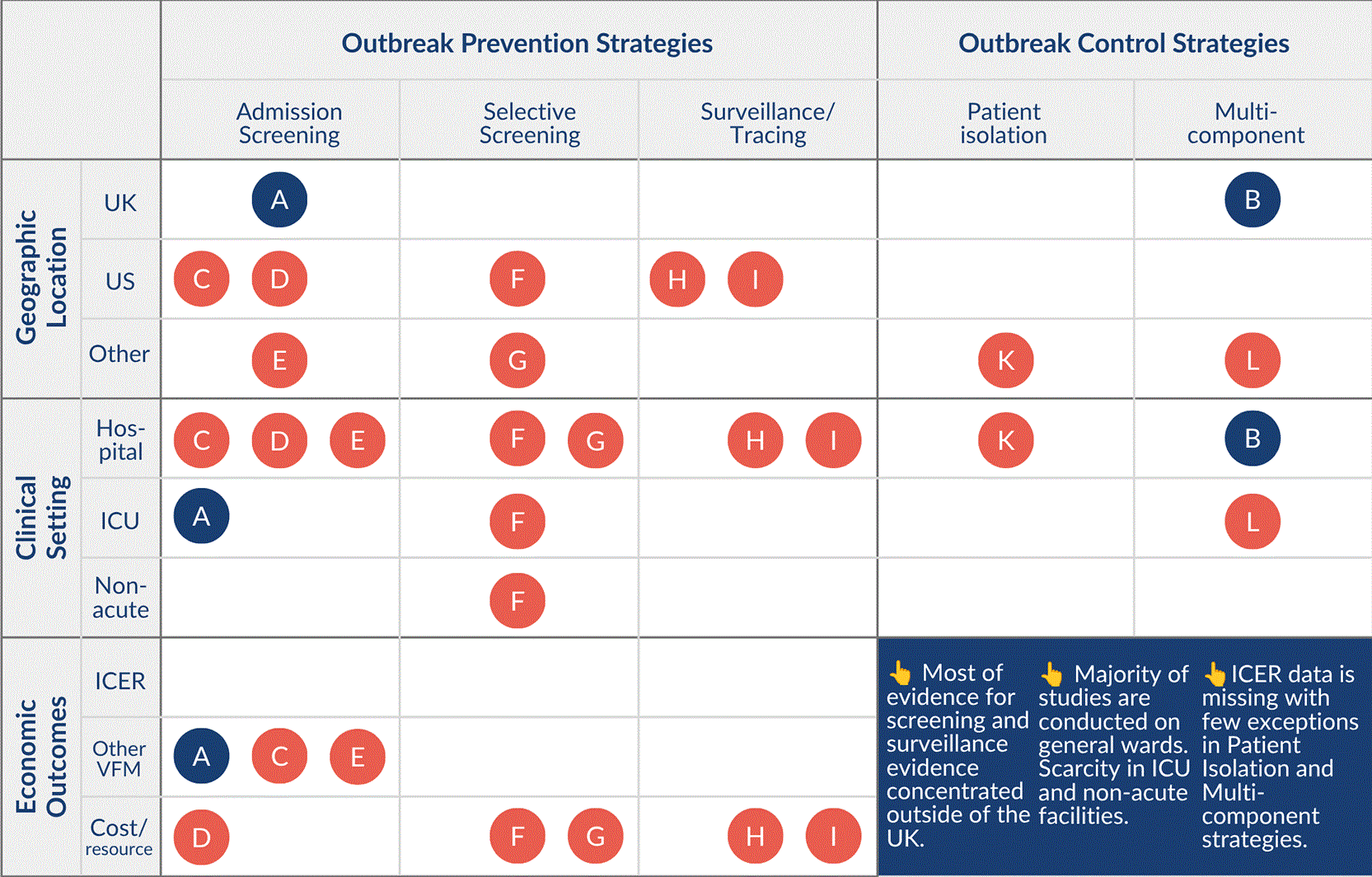
Abbreviations: D1, Is there well-defined research question? D2, Is there a comprehensive description of alternatives? D3, Are all important and relevant costs and outcomes for each alternative defined? D4, Has clinical effectiveness been established? D5, Are cost outcomes measures accurately? D6, Are costs and outcomes valued credibly? D7, Are costs and outcomes adjusted for differential timing? D8, Is there an incremental analysis of costs and consequences? D9, Were sensitivity analyses conducted to investigate uncertainty in estimates of costs or consequences? D10, Do study results include all issues of concern to users? D11, Are results generalizable to setting of interest in the review? Assessment judgements: “X”, No; “–“, unclear; “+”, yes; blank, not applicable. UK-based studies are depicted in navy-blue.
The evaluations across those studies included cost analyses, economic impact analyses, total estimated cost assessments, and descriptive clinical evaluations, and mathematical modelling. The interventions investigated focused on diagnostic and surveillance strategies, including a two-step electronic questionnaire for targeted risk-based screening,30 and regular surveillance of patients with a history of international medical treatment.26 Additional multifaceted interventions involved early identification through active contact tracing of index cases,30 enhanced environmental disinfection protocols, the use of personal protective equipment and the provision of specialised staff training.25
In terms of reported outcomes, the single UK study25 reported on the costs of controlling a C. auris outbreak at a tertiary care centre in London using a range of interventions, including patient isolation, contact screening, single-use equipment, environmental screening and decontamination, staff education, and enhanced surveillance. Here the authors identified sources of costs involved in controlling a C. auris outbreak, the largest single cost being additional length of stay (GBP 525,000 out of GBP 1.01 million). The lack of early identification and isolation of a single case appeared to be the initiating factor in the outbreak.
Two US-based studies were conducted at the same hospital and examined the resource implications and potential benefits of contact investigation surveillance cultures for preventing or managing C. auris outbreaks.28,29 The authors focused on complementary approaches to early identification. In addition, another US-based study by Jimenez et al.30 focused on using a questionnaire to prioritise patients for PCR testing on admission to hospital. A study conducted in Germany 26 reported costs and time required to screen international patients for C. auris on admission to a large university hospital. Walits et al. noted that despite investing resources in contact precautions, C. auris continued to spread, suggesting a need to focus on other approaches. A second study by the same authors28 identified targeted admission surveillance (i.e. targeted culture-based screening) as a valuable tool in limiting C. auris transmission. Heindel et al. evaluated targeted admission screening, but no cases of C. auris were detected, making it difficult to comment on cost-effectiveness.26 Based on cost data, the authors concluded that screening did not seem to be cost-effective in a large university hospital setting. The remaining studies in this group focused on admission screening using PCR testing. Jimenez et al. evaluated a questionnaire to identify patients for screening. C. auris prevalence was 0.2% overall but reached 6.1% amongst patients with at least one risk factor, providing support for using the tool to improve screening efficiency.30 Finally, mathematical models utilised the incremental cost-effectiveness ratio to determine the probability of an intervention being cost-effective against established national thresholds.27 This modelling study used data for a range of infections, suggesting that relevance of the findings to C. auris outbreaks should be interpreted cautiously. The other modelling study included in the review27 could be described as illustrative of a possible approach but requiring further development of model parameters and cost inputs. The authors did not provide any firm conclusions or recommendations for practice.
The evidence regarding the cost-effectiveness of strategies to prevent or manage C. auris reviewed herein remains limited in both volume and methodological rigour. The findings suggest that the economic value of specific interventions, particularly admission screening, is heavily contingent upon the presence of colonisation and the clinical risk profile of the patient population. In low-prevalence environments, such as the UK, the study conducted across multiple ICUs identified no cases of colonisation, leading to the conclusion that universal screening may not be cost-effective in such settings, with estimated national costs ranging between GBP 2.5 million and GBP 5 million.24 Conversely, in high-prevalence areas or for high-risk cohorts, targeted screening is supported as a primary tool for limiting transmission.30
A significant driver of institutional costs reported in the reviewed body of literature is the turnaround time (TAT) associated with screening results. Implementing in-house PCR testing has been shown to reduce median TAT from 11 days to just 2 days, and in some high-volume academic centres, results were available in fewer than 9 hours. Such rapid identification facilitates more efficient bed placement and prevents delays in discharging patients to long-term care facilities that require a confirmed colonisation status.20,21 Although PCR provides superior speed and sensitivity, chromogenic agar culture remains the most cost-effective method per case detected in low-prevalence settings. Verification studies indicate that these cultures may be reliably called positive after five days of incubation, which is significantly faster than the 10 days traditionally recommended in some clinical guidelines.22 Additionally, the same study suggests that chromogenic agar culture has a lower cost per case detected than PCR. However, it is essential to note that while PCR detects DNA remnants, complementary culture is required to assess yeast viability and accurately determine the risk of active transmission.5
Managing a C. auris outbreak is exceptionally resource-intensive. A single outbreak at a London tertiary cardio-thoracic centre cost more than GBP 1 million to control, with ongoing surveillance and infection prevention and control maintenance costing approximately GBP 58,000 per month. The largest single contributor to these financial burdens seems to be the additional length of stay associated with the infection and subsequent isolation requirements.25 Innovative control strategies, such as the implementation of temporary “pop-up” isolation rooms, have been modelled as cost-effective interventions in acute care settings.23 The limited findings suggest that these units are economically viable even if they prevent only 1% of healthcare-associated infections, offering a faster and more flexible alternative to permanent ward reconfigurations. Furthermore, mathematical modelling indicates that the most economically efficient approach involves a combined strategy of environmental disinfection, timely treatment, and robust screening.27
The review followed systematic methods, including a pre-registered protocol, an extensive literature search, and the use of an appropriate checklist for the critical appraisal of studies in the systematic review. Study selection and data extraction were conducted by two reviewers. An additional strength was the inclusion of a second tier of evidence in the overall evidence map. This was originally intended to document studies from low- and middle-income countries but also included studies from all settings with limited but potentially valuable evidence on costs or resource use. We believe this inclusive approach will enhance the usefulness of this report to decision-makers, but the inclusion of such studies without a formal appraisal could also be seen as a limitation. That said, the body of evidence showed general limitations, including a lack of rigorous study designs, imprecise estimates of costs and benefits, and unclear definitions of ‘cost-effectiveness’. Furthermore, the review process carries its own set of limitations.
Most included studies were conducted in the USA and report hospital- or laboratory-level costs. Therefore, the transferability to the UK setting is constrained by differences in: (i) valuation of inpatient bed-days, considering opportunity costs and capacity constraints versus billed charges; (ii) laboratory service configurations, including central versus local testing, turnaround times, and mandatory reporting through the Second Generation Surveillance System (SGSS); and (iii) availability of isolation rooms and baseline infection prevention and control (IPC) standards. Furthermore, UK outbreak and clinical studies demonstrate that C. auris is not confined to superficial colonisation but can also cause severe, device-associated invasive infections, which significantly increase healthcare resource utilisation. In addition to major outbreak investigations such as those conducted by Schelenz31 and Eyre,32 smaller case series have documented neurosurgical device-associated infections that require prolonged and complex management, including extended antifungal therapy and specialist critical care.33 These cases illustrate additional high-cost clinical pathways, such as prolonged intensive care unit stays, invasive device management, and increased diagnostic requirements. Collectively, UK evidence indicates that once transmission is established, the combination of environmental persistence, device-associated risk, and delayed detection can result in progression from colonisation to invasive disease, thereby increasing both clinical severity and economic burden. These factors should be explicitly incorporated into future economic models, especially when estimating the downstream costs that may be avoided through early detection, effective screening, and robust infection prevention and control strategies.
Even though infection prevention and control guidance for adult social care in the UK settings exists34 we found no economic evidence from non-acute settings which suggests an urgent need for research and data collection to clarify the prevalence of C. auris in these settings and to identify appropriate strategies for use in them. Further primary research or economic modelling should be undertaken to evaluate strategies under-represented in the current literature, particularly for outbreak prevention. Evidence from the UK indicates that the economic burden of C. auris is primarily driven by excess length of stay and lost bed-days, whereas consumable costs constitute a smaller proportion of the total economic impact. Consequently, strategies that reduce delays in detection and isolation may yield substantial opportunity benefits for the NHS, even if they do not result in immediate cash savings. Economic modelling designed to inform UKHSA and NHS decisions should:
There is currently very limited evidence to support the choice of cost-effective strategies for prevention and management of C. auris outbreaks, which supports current UKHSA guidance development. Most research focuses on screening patients admitted to hospitals or ICUs for C. auris infection or colonisation (combined with standard infection prevention and control practices), but the findings are inconsistent, and the predominance of US-based studies may limit their applicability to UK settings. While some studies have suggested that screening may not be cost-effective where prevalence is low, decision-makers will be aware of the potentially high human and economic costs of outbreaks. There is a clear need to develop the evidence base through UK-specific economic modelling, data collection, risk assessment and primary research.
During the preparation of this work the authors used Institutional Google Gemini (University of Sheffield) in order to improve grammar, provide overall feedback, and structure the abstract. After using this tool, the authors reviewed and edited the content as needed and take full responsibility for the content of the publication.
Provide sufficient details of any financial or non-financial competing interests to enable users to assess whether your comments might lead a reasonable person to question your impartiality. Consider the following examples, but note that this is not an exhaustive list:
Sign up for content alerts and receive a weekly or monthly email with all newly published articles
Register with NIHR Open Research
Already registered? Sign in
If you are a previous or current NIHR award holder, sign up for information about developments, publishing and publications from NIHR Open Research.
We'll keep you updated on any major new updates to NIHR Open Research
The email address should be the one you originally registered with F1000.
You registered with F1000 via Google, so we cannot reset your password.
To sign in, please click here.
If you still need help with your Google account password, please click here.
You registered with F1000 via Facebook, so we cannot reset your password.
To sign in, please click here.
If you still need help with your Facebook account password, please click here.
If your email address is registered with us, we will email you instructions to reset your password.
If you think you should have received this email but it has not arrived, please check your spam filters and/or contact for further assistance.

Comments on this article Comments (0)