Keywords
Complex intervention; prehabilitation; cancer; Acute Myeloid Leukaemia; Myelodysplastic Syndrome; Stem Cell Transplantation; behaviour change; exercise; nutrition; psychology

Complex intervention; prehabilitation; cancer; Acute Myeloid Leukaemia; Myelodysplastic Syndrome; Stem Cell Transplantation; behaviour change; exercise; nutrition; psychology
Acute Myeloid Leukaemia (AML) is the most common acute leukaemia, affecting approximately 3100 people/year in the UK.1 There is an overall survival of 15-60% at 5 years (depending on age),2 with completion of all courses of treatment having important prognostic implications.3 High risk myelodysplastic syndrome (MDS-EB2) follows a similar treatment pathway. Following diagnosis, physical, psychological, nutritional and social challenges are significant for people with AML and MDS-EB2, in part due to the intensive treatment and prolonged hospital stays, often in isolation.4,5 Cancer-related fatigue (CRF) is common and persistent during and after treatment,6 significantly impacting quality of life (QoL),7,8 and may be associated with states of anorexia, cachexia and sarcopenia.9 These challenges affect treatment decision-making, engagement, and completion.10 Emerging data supports that fatigue prior to and during chemotherapy is indicative of poorer outcomes including survival.11 Multi-modal interventions, targeted at ameliorating all dimensions of fatigue, could potentially improve treatment tolerance, wellbeing, and survival.
Cancer prehabilitation is a strategy to optimise the physical and/or psychological wellbeing of individuals prior to definitive cancer treatment, and may include exercise, nutrition, and/or psychological therapies. The aim is to prepare individuals for treatment, improving tolerance and completion, thus aiding recovery and survival.12,13 It may also directly address CRF,14 lead to personal empowerment, provide a sense of control, improve QoL, physical and psychological resilience, and long term health.15 There is the potential to provide prehabilitation to individuals with AML and high risk MDS-EB2, as part of each cycle of intensive consolidation chemotherapy, and haematopoietic stem cell transplant (HSCT) in the 40-50% of patients to whom HSCT is offered. Despite the potential benefit of prehabilitation in this setting, standardised prehabilitation care is not routinely offered in the UK’s National Health Service (NHS). While some sites may offer exercise, nutrition and/or psychological support, these vary by location and intensity. Alongside this, recent UK interviews with healthcare professionals and individuals with blood cancers reported that fatigue and emotional wellbeing were key concerns, which were not adequately supported: further highlighting the potential benefits of prehabilitation.
Limited existing trials evaluating multi-modal prehabilitation in this setting have key limitations; 1) inadequately powered to assess effectiveness; 2) not informed by meaningful patient involvement; 3) not addressing key clinical outcomes such as fatigue; 4) delivery mode (e.g. not remote); 5) not conducted in the UK, therefore may not be generalizable to the NHS setting; 6) not informed by behavioural theories nor including adequate behavioural support.16 Intervention development guidance emphasises the importance of interventions being based on theory, involving patients and stakeholders, and transparent reporting of the development process.17–19 We aimed to address these limitations and develop an evidence- and theory-informed, multi-component, personalised prehabilitation intervention for the PROPEL trial. The intervention aims to improve fatigue, emotional wellbeing, and quality of life for patients receiving remission consolidation treatment for AML and high risk MDS-EB2. This paper outlines the intervention development process for the PPCP intervention arm of the PeRsOnalised PrEhabilitation in AML (PROPEL) trial.
Ethical approval for the PROPEL trial was received from the Surrey Borders Research Ethics Committee. IRAS ID 320489. Written informed consent was obtained from all participants in the PROPEL trial. This paper describes only the development of an intervention so no data was obtained from participants.
The development of the prehabilitation intervention was guided by the Medical Research Council (MRC) framework for developing and evaluating complex interventions.17 We followed the Template for intervention description and replication (TIDieR) checklist.20 A multi-disciplinary team (MDT) consisting of people with AML and carers, dietitians, clinical exercise physiologists, behavioural scientists, clinical psychologists, and haematologists contributed to the development process. An evidence- and theory-informed intervention development approach was adopted. Underpinning theoretical models included behavioural science theories (self-determination theory21 and habit theory22), and Acceptance and Commitment Therapy.23 Acceptance and Commitment Therapy (ACT) is a behaviour therapy that uses a range of mindfulness, acceptance, and behaviour change strategies to encourage the development of psychological flexibility; the capacity to align behaviour with overarching goals and values, with a willingness to be in contact with a wide range of psychological experiences.24 ACT has previously been applied to various cancer populations with improvements found in psychological flexibility, quality of life, and psychological distress.25
The Personalised Prehabilitation Care Plan (PPCP) intervention is based on the NHS comprehensive model of personalised care26 and Macmillan Prehabilitation principles.15 PPCP is conceptualised as a singular intervention. This begins with an individual needs assessment that informs a personalised treatment programme integrating emotional wellbeing, nutritional and exercise support, according to participant need. Behaviour change strategies are used throughout to increase engagement and adherence.
Our guiding principles were to prioritise patient preferences (e.g. minimise burden), be pragmatic, and minimise delivery burden on hospital sites (e.g. remote delivery). The intervention constituents were derived from existing interventions (developed by members of the research team) that had been tested and found feasible in other clinical populations (e.g. ROSETA27; EXACT28; MASCOT29; SPHERe30; PULSE31,32; REGAIN33,34). Additionally, comprehensive evidence syntheses were conducted, combining and adapting constituents in consultation with patient and public involvement experts to ensure relevance for AML and MDS-EB2. The overall development of the programme was conducted in three phases: 1) needs assessment, 2) intervention development, 3) delivery and refinement. An overview of the intervention development process can be found in Figure 1.
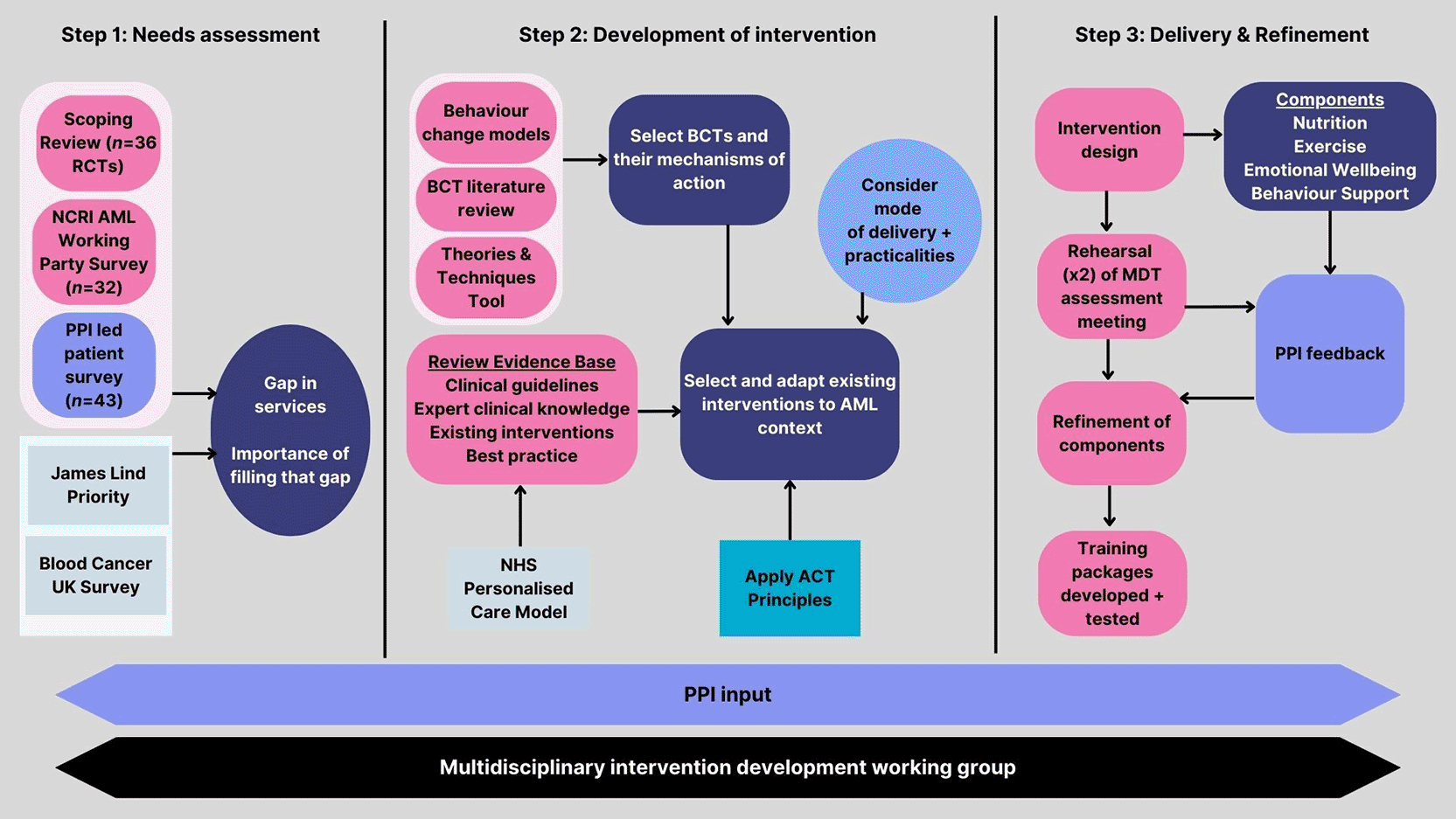
A needs assessment was conducted including a review of research priorities, stakeholder engagement, a scoping review and a series of surveys (patient and healthcare provider).
Research priorities
Published research priorities were reviewed including James Lind Alliance, Macmillan Cancer Support, Maggie’s, Blood Cancer UK, People with AML and carers panel.
Stakeholder engagement
Key experts were identified including people with lived experience of AML (patients and carers), those delivering their care, charity partners, and research methodologists. Three patient and one carer co-applicant were identified through their prior work with other UK research bodies or their individual contacts (carer) to form the core Patient and Carer advisory group.
Scoping review
A scoping review of non-pharmacological supportive care interventions delivered in AML was conducted. These included emotional wellbeing, nutrition, and exercise interventions, delivered during treatment for AML and MDS, either alone or as part of a prehabilitation or rehabilitation package.16
Surveys
Our Patient and Carer advisory group identified previously published patient experience surveys, alongside developing and conducting a new patient survey on the impact of AML diagnosis and treatment. In addition, the National Cancer Research Institute (NCRI) AML research group sent a feasibility survey (February, 2021) to NHS hospitals in the UK delivering care to people with AML (and high risk MDS-EB2) to determine which, if any, centres offered prehabilitation, what this involved, and to ascertain willingness to participate in PROPEL.
An intervention development group consisted of experts in nutrition, clinical psychology, clinical exercise physiology, behavioural science change, PPI and health care. Meetings were held monthly, to discuss and prioritise intervention approaches informed by our guiding principles. Intervention planning first drew on the existing evidence base identified in Step 1 (Needs Assessment). The wider oncology prehabilitation literature was assessed, including the Macmillan Personalised Prehabilitation Plan,15 Maggie’s and the teams’ existing interventions to support behaviour change in the three key areas (emotional wellbeing, nutrition, exercise).
Patient and Public Involvement
In line with the MRC framework for complex intervention development,17 our collaborators with lived experience of AML were consulted during the development of each component. Three separate meetings were held with our Patient and Carer advisors and the intervention development group to better understand their lived experiences, including barriers and facilitators to engagement, delivery and participation. Additional meetings were held focusing on specific constituents (as outlined below) including component resource review, delivery styles and feasibility.
Emotional Wellbeing
We aimed to develop an intervention applicable to a wide range of participants experiencing emotional challenges associated with AML. The intervention was adapted from existing guided self-help interventions,35,36 which utilised written and audio materials alongside calls with a therapist, to offer participants ACT-based skills for negotiating the psychological challenges of living with health conditions.
To adapt the approach for key AML challenges, the following systematic approach was utilised to tailor the intervention. First, to understand the lived experience and mental health challenges of AML we conducted literature searches, and identified relevant qualitative studies, reviews, intervention papers and charity websites. This literature was used to tailor the intervention material content to the context of AML. We shared initial drafts of intervention materials with our patients and discussed ways to improve the applicability of the materials to the challenges presented by AML and establish a configuration suitable for the clinical context. Materials were redrafted and reviewed iteratively until consensus on the content and configuration was reached.
Nutrition
Two iterative scoping reviews were conducted: 1) nutrition interventions for fatigue in people with and without cancer; 2) nutrition interventions delivered within prehabilitation programmes for people with cancer. Dietary strategies shown to exert clinical improvements in fatigue, have a potential mechanistic target on mediators of CRF (e.g. inflammation), or inform delivery approaches (e.g. online) were considered.37,38 Guidelines on the management of malnutrition, including nutritional supplement prescribing within the NHS were also considered. A national nutritional prehabilitation survey of HCPs informed current practice.39 Patient and Carer advisors shared nutritional experiences and priorities, alongside barriers and enablers to nutritional care, within an NHS setting. All material content was then reviewed and commented on by the advisory panel to ensure accessibility and relevance.
Exercise
Following the scoping review,28 current prehabilitation exercise principles were considered.15 These included the implementation of multimodal exercise interventions and guidance towards achieving the current physical activity recommendations for adults with cancer.40 The exercise intervention development team included PCP members, three Clinical Exercise Physiologists, and one cancer exercise rehabilitation specialist. Literature regarding exercise interventions delivered both online/remotely and in-person was appraised.
Behaviour Change Support
Key reviews, relevant prehabilitation guidance, and intervention manuals were examined to identify behaviour change techniques (BCTs) used in nutrition, exercise, and emotional wellbeing interventions in cancer and prehabilitation settings, along with those used to increase adherence to these interventions. Relevant behaviour change models and theories were explored (e.g. habit theory, social-cognitive theory, self-determination theory, self-regulation theory), given their application successfully supporting behaviour change in people living with and beyond cancer.29,41,42 Associated Mechanisms of Action for each BCT were identified using the Theories and Techniques Tool,43 to inform the logic model ( Table 1). Regular discussions ensured cohesiveness across components, and alignment with ACT principles.
Two role-plays of MDT assessment meetings were conducted with our patient representatives, to facilitate feedback and adaptation on content and delivery style.
Training materials for intervention deliverers were developed for each component to promote consistency of delivery across sites and sessions. Where available these were developed based on materials used in previous trials with similar content, contexts, and delivery modes.
Research priorities
A James Lind Priority Setting Partnership identified fatigue, psychological wellbeing, diet, exercise and stress reduction as top 10 patient priorities.44
Scoping review
Results from the scoping review identified that only one of the 36 studies focused on prehabilitation,45 which was an exercise only preparation phase prior to HSCT. Despite the complex needs of adults with AML, only eight (three from the same research group) of the 36 studies included a multimodal intervention. Although a relatively small number, this provided an initial indication that multimodal interventions could be successfully delivered in people with AML. Common outcomes of interest included anxiety, depression (13 studies) and quality of life (11 studies). Six trials tested exercise, nutrition or emotional wellbeing during treatment. Most studies included some nutrition provision, often with only partial nutritional advice (e.g. supplementation post-exercise). All studies were small (≤100 patients), none were conducted in the UK, and none were sufficiently powered to demonstrate clinical or cost-effectiveness. Crucially for interventions with a significant behavioural component, no studies reported patient or carer involvement in the design or development of the trial. Furthermore, there was little consideration given to theories or models of health behaviour change and associated behaviour change techniques within the interventions identified.
Surveys
Thirty-four patients and nine carers completed the online survey, describing a wide range of emotional and psychological impacts throughout their blood cancer journey, including the need to address the major issue of fatigue. All respondents stated that prehabilitation is extremely important to people with AML and their carers, however the majority were not aware of, or offered support for exercise or nutrition. Those who had accessed psychological support had mostly done so via cancer charities. Most respondents who had received some support found it helpful.
Thirty-two hospital sites across the UK completed the online NCRI AML feasibility survey. Results showed systematic access to multimodal prehabilitation interventions was not standard practice, with only three centres offering some form of prehabilitation service in this setting.
Multiple stakeholder discussions about delivery modality considered the pros and cons of in-person versus remote. Our Patient and Carer Panel highlighted the importance of time at home and a need to facilitate national trial access. Therefore, it was agreed that centralised remote delivery may facilitate this. Remote delivery also offered enhanced feasibility for delivery across multiple hospital sites by; 1) reducing delivery staff capacity/cost, and provision of a critical mass of discipline specific expertise, 2) providing flexible access to interventions whether patients treated in hospital (60%) or ambulatory settings (40%), 3) responsive to post-COVID changes to remote prehabilitation delivery,
4) reflect variability in Allied Health Professional staff resource between specialist HCT centres (delivering allogeneic transplants) compared to district hospitals, or those delivering autologous transplant alone. For a brief overview of the intervention components see Table 2.
Emotional Wellbeing
Adaptation of existing interventions based on PPI evaluation
The emotional well-being component was significantly altered via our development process. For example, based on qualitative literature, and input from our PCP, AML-specific patient quotes and examples of emotional challenges were included in the written material. Given the acute and severe symptoms in the early stage of AML treatment, our PCP advised shortening the intervention. The material was reduced by 25% initially, and a further 20% to accommodate fatigue and reduce treatment burden. In addition, our PCP expressed that reading could be challenging when undergoing treatments. Thus, a pre-recorded podcast was developed as an alternative to the written material. We also added the possibility for participants to engage only in guidance calls with the therapist, without having to read or listen to the self-help materials. This resulted in various permutations of the intervention to suit participant’s needs as described below.
Intervention content and configuration
The emotional well-being component is a remotely delivered guided self-help ACT intervention. It consists of four modules each supported by a 25-minute call with a therapist to discuss and reflect upon the material. The four modules are aligned to specific processes expected to foster psychological flexibility, namely present moment awareness, diffusion, values, and self-compassion, which all have been associated with well-being in cancer populations.46,47 Each module starts by introducing a key skill based on ACT, followed by a range of exercises to explore and reflect on this skill in the context of the participant’s own situation, and includes a task to practise over the week ( Table 3).
The intervention offers multiple formats for engaging with materials: booklets, podcasts, and the guided calls. Participants can engage in materials (booklets and/or podcasts) plus or minus guided calls or for those unable to access or engage with the material, guided calls only. Booklets are each estimated to take between 25-50 minutes to complete and each podcast episode is under one hour. For all configurations, the guided calls are delivered by Psychological Well-being Practitioners (PWPs). PWPs have a well-suited skillset and experience in delivering guided self-help interventions and will receive supervision from Clinical Psychologists. PWPs belong to an established NHS workforce thereby reducing barriers to implementation.
Nutrition
In a survey of nutritional prehabilitation practices by HCPs prior to HCT, there were inconsistencies in nutritional access.39 Nutritional assessments were predominantly conducted by a dietitian using the Dietetic Care Process.48 Dietary advice predominantly focused on energy consumption over protein and fibre advice, which have been linked to fatigue optimisation.39
The outputs of the scoping reviews and PCP consultations were combined into a nutrition intervention logic model ( Figure 2). The scoping reviews identified two core dietary concepts to support fatigue reduction; 1) identification and treatment of disease related malnutrition, 2) anti-inflammatory diet, high in antioxidants, fibre and omega-3 (e.g. Mediterranean diet), and reduction in processed food (e.g. western diet). Barriers to implementation identified by our patient and carer advisory group included; 1) symptoms, 2) knowledge, 3) disrupted routines e.g. hospital meal times or long days in outpatients for treatments. People with AML also highlighted challenges with information retention, concentration, and feelings of isolation due to infection risk. Patient and carer advisors also felt support for carer engagement in nutrition delivery, and a range of information delivery options were important e.g. written and spoken education (group/one-to-one).
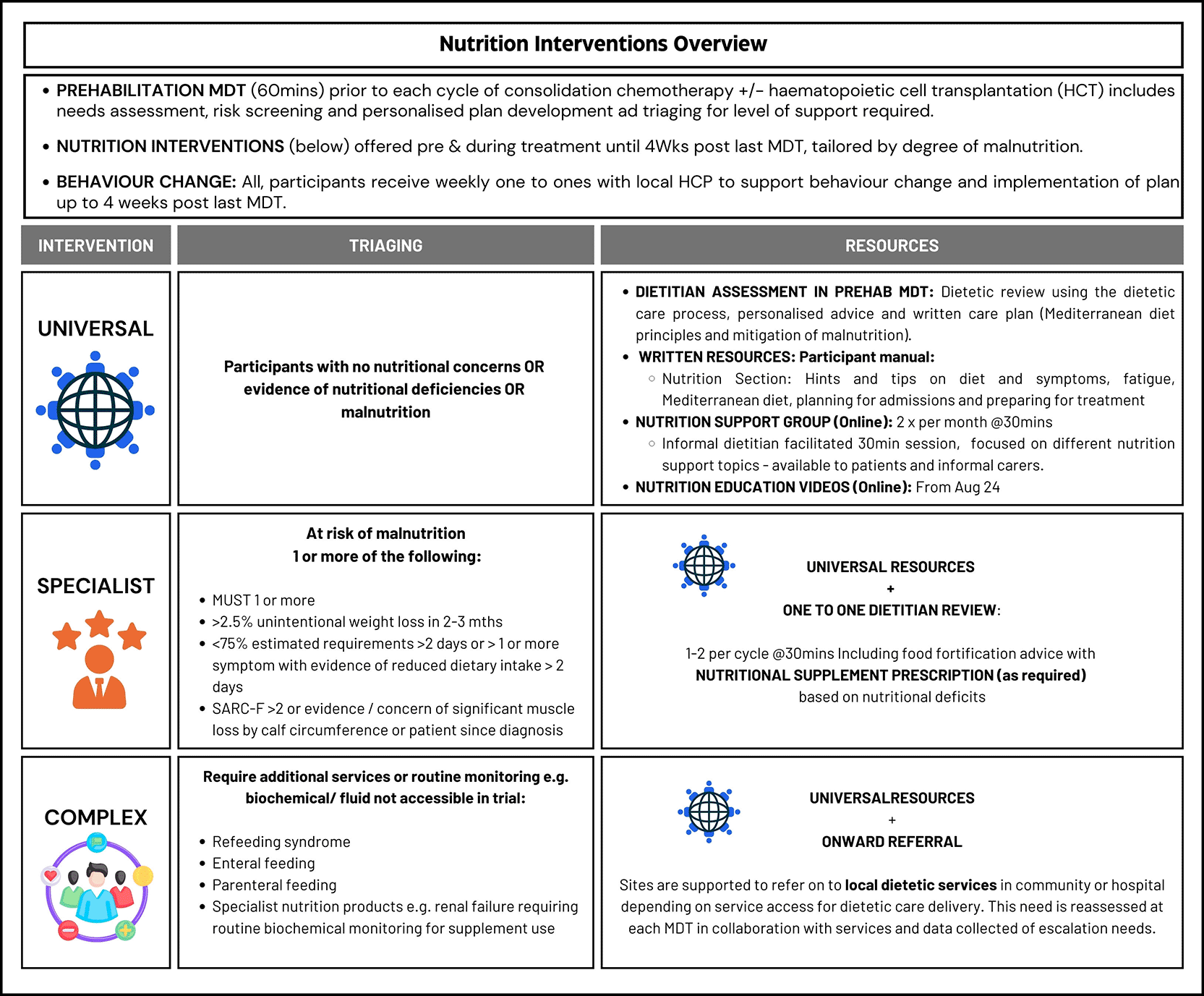
Intervention content and configuration
The resultant intervention is outlined in Figure 3. All participants receive a nutritional assessment by a registered dietitian using the Dietetic Care Process.48 Assessment is informed by pre-screening clinical data collated by local HCPs including biochemistry, anthropometry, and a food diary; 24 hr recall at baseline and 3-day diary before subsequent chemotherapy/HSCT cycles. Energy and protein requirements are based on ESPEN guidelines49 and clinical expertise in AML at 25-30kcal/kg/d (utilising a Physical Activity Level (PAL) depending on clinical appropriateness) and 1.2-1.5g protein/d. The dietetic assessment seeks to assess the degree of malnutrition ( Figure 3) and level of support required: Universal or Specialist.15,49,50
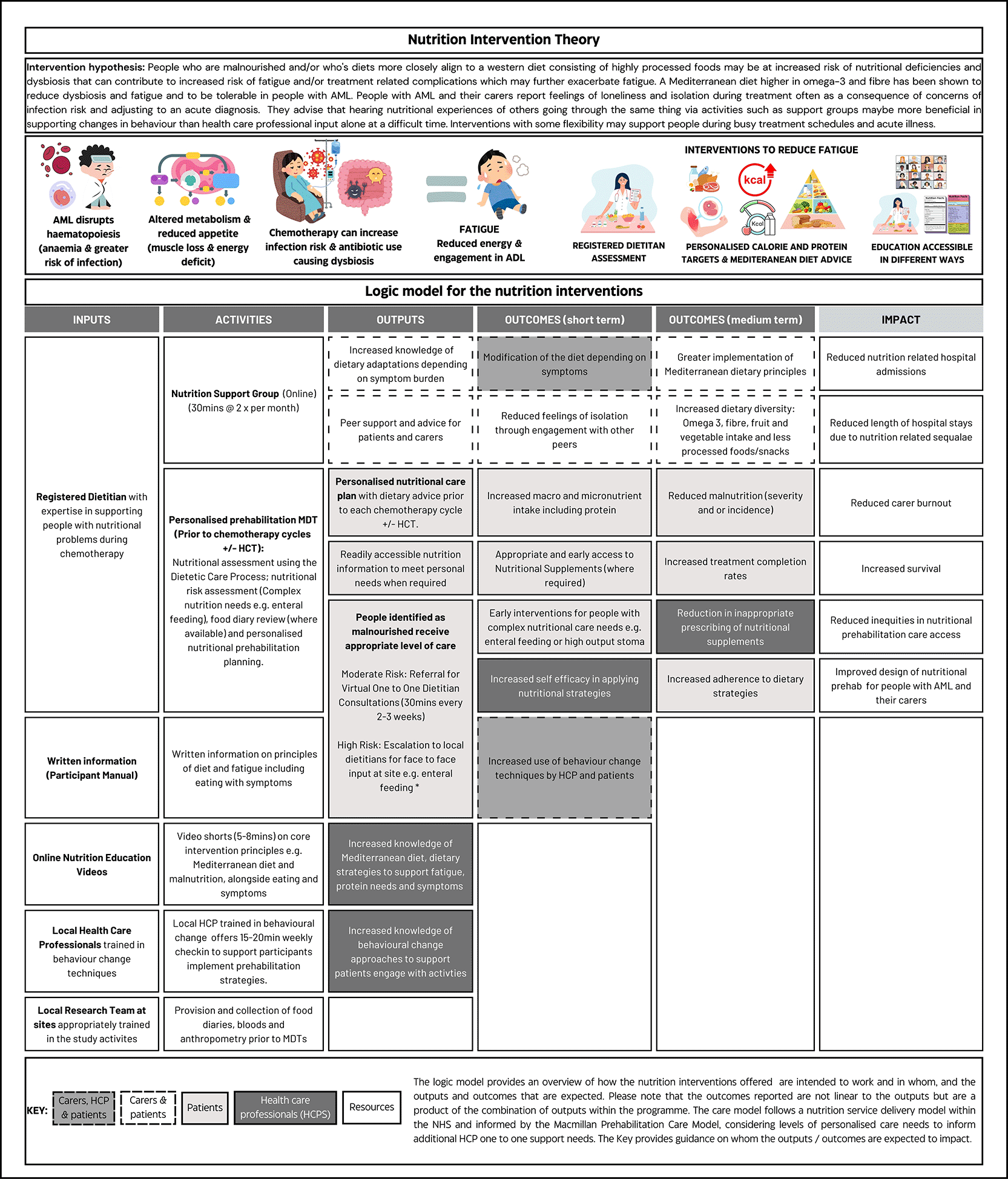
The Universal package is available to all participants and seeks to optimise health. It offers self-directed learning including; nutrition education materials (participant manual and videos), a personalised care plan, and access to two 30minute monthly dietitian-led online nutrition support groups, for carers and participants. If diagnosed as malnourished or at risk, participants are offered the Specialist package which includes up to two additional one-to-one 30-minute remote dietetic consultations per chemotherapy cycle. Interventions include nutrition support via food first approaches and/or prescribed nutritional supplements (high protein and/or energy)). Nutritional supplement dosage is determined by the dietetic assessment to meet energy or protein deficits. Participants with a clinical indication for enteral feeding, parenteral nutrition, and/or specialist nutritional supplements (i.e. renal products, elemental diet), are escalated to local dietetic services, for delivery of the nutrition support as per a risk management protocol. Participants requiring local dietetic support can still access Universal resources but will not receive the Specialist package, to streamline care. These participants are reassessed by the dietitian at the subsequent MDT and if clinical risk abates, can be deescalated to the specialist package (as appropriate). A requirement to escalate nutritional care does not impact on access to exercise or emotional wellbeing support.
Nutritional education: All nutritional education aims to facilitate improvements in CRF by optimising dietary quality, including Mediterranean Dietary Principles,51–53 and macronutrient provision tailored to individual requirements.49 Recommendations and resources will be provided on timing of protein intake in relation to exercise to optimise muscle recovery.54,55 Additional education topics cover barriers to eating informed by the patient and carer advisory group e.g. eating with poor appetite, taste changes, nausea. Verbal and written education incorporates ACT principles and behaviour change techniques such as goal setting and self-monitoring.
Exercise
Results from our scoping review identified that nine of the 36 included randomised controlled trials (RCTs) included exercise only interventions, and three RCTs investigated multimodal interventions which included an exercise component.28 It also highlighted the lack of PPI input into the development of prehabilitation interventions for AML. As such our PCP was consulted regularly regarding intervention timing and mode. They suggested offering different days of the week, and morning and afternoon sessions to choose from to reduce diary clashes with hospital appointments. Patterns of exercise prescription and delivery mode which were discussed were compared with current published guidelines, which contained evidence from studies including predominantly solid tumours.40 General physical activity recommendations are also promoted.56
Intervention content and configuration
The resulting individualised, multi-modality exercise programme is delivered remotely by specialist Clinical Exercise Physiologists. The overall format and delivery are based on existing online exercise interventions delivered safely and effectively in other clinical populations with overlapping symptom profiles.33 Participants can join remotely from the hospital or home. Sessions last 30 minutes, with a maximum number of six attendees per session, and address general fitness, functional strength, fatigue and confidence. Both live and pre-recorded sessions are available to increase participation. Pre-recorded sessions consist of lower intensity exercises, to reduce risk of injury given the unsupervised nature. To accommodate transient changes in participants’ wellbeing, the programme adopts the principles of autoregulation whereby exercise is progressed/regressed based on self-perceived daily variations in health, performance capability, recovery, and treatment.57 PCP input highlighted the importance of autoregulation.
Behaviour Change Support
Two key reviews were identified; 1) one discussing the role of behavioural science in personalised multi-modal prehabilitation in cancer,41 2) a Cochrane review focussing on interventions promoting habitual exercise in people living with and beyond cancer.42 No similar reviews focusing on emotional wellbeing or diet were identified, with the majority of the literature focusing on exercise. Additional papers that reported the use of BCTs across a variety of supportive interventions in people living with and beyond cancer were also identified to supplement the evidence base: an exercise programme in multiple myeloma (MM, a condition with similarities to AML) with high adherence rates29; a similar emotional wellbeing intervention developed for women with breast cancer58; an exercise prehabilitation trial in MM.59
From these, a wide variety of BCTs were identified across Nutrition, Exercise, and Emotional Wellbeing interventions in different cancer settings. The most common BCTs were Goal Setting, Problem Solving, Action Planning, and Self-Monitoring of Behaviour. The most common Mechanisms of Action targeted were; Goals, Motivation, Beliefs about Capabilities (‘Self-Efficacy’), Beliefs about Consequences, Knowledge, Skills. From the extensive list of BCTs, two authors (RB, LH, experts in behavioural science) identified the key BCTs to use within the interventions based on evidence of effectiveness from the literature, and usual practice within each intervention component as guided by the intervention component leads. Discussions with the component leads took place to ensure cohesiveness of BCTs across all components, and alignment with ACT principles. Emotional wellbeing Leads highlighted that emphasising a requirement to hold change beliefs about personal capabilities/’self-efficacy’ to enable behaviour as potentially causing confusions with skills presented in the emotional well-being intervention. it would be more consistent with the psychological flexibility skills to encourage them to plan and initiate activities (if it aligns with their values), with a willingness to have doubts about their abilities. We subsequently revised all trial materials to ensure consistency with ACT principles, encouraging participants to notice and act alongside understandable doubts.
PPI Input
Discussions with our patients and carers explored target behaviours and potential barriers, in line with the behaviour change wheel60 and MRC guidance.17 They recommended targeting social support, motivation, and outcome expectancies, leading us to include BCTs Social Support (by prompting participants to identify individuals to help with activities of daily living) and Self-monitoring of Emotional Consequences of Behaviour (in the logbook). The panel also recommended dropping Habit Formation, as routines are challenging during the treatment period. However, they suggested introducing habit formation towards the end of the intervention to encourage continuing helpful health behaviours post-treatment. Patient and carer input also highlighted the potential benefit of support from their healthcare team, and embedding the intervention within their existing care. Subsequently, we included weekly check-ins with a HCP at local sites to provide behavioural support. Clinical stakeholder input recommended 15-20 minutes should be feasible.
Intervention content and configuration
The resulting intervention incorporates behaviour science in the following ways:
1) Participant manual including; section on behaviour change to improve engagement, motivation, and adherence to the program (e.g. identifying social support); log-book for self-monitoring; section for maintaining these behaviours after the end of the intervention (habit formation); relevant BCTs (e.g. goal-setting) incorporated into the sections on emotional wellbeing, nutrition, and exercise.
2) Weekly 15-20 minute check-ins in-person or by phone, offering behavioural support, from a HCP at the participant’s treating hospital. These are scripted for consistency and include conversations on goal setting, problem solving, and social support.
Additional relevant BCTs are also included in the intervention delivery (e.g. Instructions on how to perform a behaviour), however these are not described within the participant manual or training materials to reduce burden for participants and deliverers and keep the focus on key BCTs specified. Furthermore, many key BCTs used within ACT do not map clearly onto the current taxonomy.
Run through MDTs
PCP input emphasised the importance of ensuring participants’ priorities were discussed first in the MDT meetings to allow sufficient focus on them. They also emphasised the importance of self-kindness, therefore reminders to be kind to themselves and flexible in their goals on any given day were incorporated throughout all intervention materials.
Training materials for intervention deliverers
Intervention team training
An intervention delivery manual was developed for the prehabilitation central delivery team specialists. The manual details all digital and governance processes e.g. booking appointments. A script was developed for MDT meetings to support consistency, and reviewed by the patient and carer advisory group and wider intervention development team. Contingencies for staff absences were developed e.g. core questions for each component and a minimum quorum of two prehabilitation specialists per MDT. The core questions also linked to risk assessments, where processes were developed for each component.
Online training on ACT Principles & BCTs
A brief training document providing an overview of ACT principles (e.g. the triflex, therapeutic stance) was developed, along with helpful phrases to use within support calls, nutrition and exercise sessions. This was uploaded onto a restricted access online platform, as was a training document covering the key BCTs. This contains descriptions and examples for each BCT, along with their relevance to, and application within PROPEL. All professionals involved with intervention delivery, including the local HCP delivering weekly check-ins, are expected to read both the ACT and BCT training.
Emotional wellbeing training
A 3-day training programme was developed and delivered by Clinical Psychologists, with input from the PCP. The first day comprised an introduction to AML and its treatment, background to the PROPEL trial, and descriptions of the emotional challenges and lived experience of AML (delivered by experts in the field and a patient representative). The subsequent two days involved: an outline of the ACT model, numerous ACT skills practise role-plays, and a detailed examination of the specifics of the PROPEL emotional well-being intervention . To assess and improve competency of delivery, as a part of training all therapists received an evaluation of their fidelity to ACT. Here a clinical psychologist listened to a recording of one of their initial sessions in the trial and rated their competency using the ACT Fidelity Measure.61 The results and ideas for improved practice are then discussed with the PWP. This process is separate to later overall fidelity assessment.
Nutrition training
All dietitians are required to be registered with the Health and Care Professionals Council, with expertise of delivering nutritional care in people with cancer during chemotherapy. Nutrition training was adapted to the level of expertise of the individual and their experiences working with people with AML. Core training included dietetic clinical and risk assessment (MDT) of participants, alongside the theoretical model and rationale for nutrition advice to aid fatigue (Additional File 3). This included estimation of requirements, the Mediterranean Diet principles, nutritional stratification for malnutrition and adapted food fortification advice. Processes for the provision of nutritional supplements and prescribing were also provided. Verbal and written training was provided on food diary analysis (myfood24), including data management and use of reports for intervention personalisation. For those without expertise in AML/MDS-EB2, additional training on patient pathways and lived experiences were provided.
Exercise training
All Clinical Exercise Physiologists (registered CEPs) are expected to have prior experience or additional qualifications (i.e. L4 CANREHAB) involving the assessment, prescription and delivery of exercise in people living with cancer, and online delivery of exercise training. All CEPs involved in intervention delivery observed five exercise sessions and were observed delivering five sessions prior to delivering sessions autonomously. A training document was developed to aid assessment, prescription and delivery of the exercise component, based on current prehabilitation principles of prescription and delivery, detailed red flags/ contraindications to exercise in AML/MDS-EB2, and procedures for escalation in an emergency.
Period of Refinement
Initial piloting utilised participant feedback and session attendance to inform some key refinements to reduce participant contacts, streamline advice and increase access to educational resources. The emotional wellbeing component reduced their calls from 5 to 4, by merging the introductory call with the first Module call. Nutrition support groups continued, but education resources from planned group sessions were translated to online videos to improve resource access, following low attendance at support groups.
Final Intervention
An overview of the logic model for the PPCP arm of PROPEL can be found in Table 1. The final intervention, PPCP, involves an individual assessment by a central multidisciplinary team (MDT) consisting of a clinical psychologist, registered dietitian, and a registered Clinical Exercise Physiologist, all with training and/or previous experience in delivering care for individuals diagnosed with AML/MDS-EB2. The MDT meeting will be online and should occur at least eight days before initiating each cycle of consolidation chemotherapy/HSCT, and be informed by pre-screening measures (e.g. bloods, food diary). This assesses which intervention components are needed and what is required within them (e.g. nutritional supplements), along with areas for targeted behavioural support.
Participants will receive a participant manual containing information on all intervention components. Following the first MDT meeting they will receive their initial PPCP. They will receive weekly check-ins from a HCP within their local hospital site to identify current barriers to their plan and provide behavioural support. A brief description of each intervention component available to participants is given in Table 2. The intervention will align with the length of their intensive consolidation treatment plan, often 12 weeks. Their personalised care plans will be updated as required after each subsequent MDT meeting. At the end of the intervention (4-6 weeks following their final MDT meeting), participants will be encouraged to continue the behaviours they found helpful, and will be signposted to resources to support this, including those provided within the Best Practice Usual Care arm (comparator – usual care plus 30min one of consultation). Specific behaviour change techniques targeting habit formation are provided in the participant manual and the final local HCP check-in to support this.
Evaluation Plans
The intervention will be tested in a multi-centre Phase III definitive trial, with a 12-month internal pilot. Participants will be randomised 1:1 to either the PPCP or Best Practice Usual care (BPUC). BPUC consists of a 30-minute scripted conversation with a CanRehab trained CEP. Their conversation navigates the participant to online self-directed prehabilitation materials on emotional wellbeing, nutrition and exercise from the Maggie’s website https://www.maggies.org/cancer-support/ (consent obtained) and the Cancer Care Map https://www.cancercaremap.org/ (as suggested by PCP). Our patient and carer advisory group felt strongly that those allocated to usual care should receive something, and this was deemed most appropriate as these materials are already available nationally. The pilot phase will explore remaining uncertainties, including establishing recruitment, protocol fidelity, safety, and acceptability, with parallel process and economic evaluations.
Intervention tailoring may be required for those who do not speak English, and/or those with other physical disabilities (e.g. impaired vision/hearing/learning difficulties) but these issues will be addressed as and when they arise during the intervention piloting and feasibility testing.
Following the MRC framework for developing complex interventions and using an evidence and theory-based approach, we developed a multi-component multi-phasic prehabilitation package for individuals receiving remission consolidation treatment for AML and high-risk MDS-EB2. We adapted evidence-based interventions in other cancer contexts and were heavily informed by patient and carer experience and behavioural science theory, to develop an intervention consisting of nutrition, exercise, and emotional wellbeing interventions, underpinned by ACT principles.
A key challenge throughout was designing intervention components providing a sufficient dose to impact patient outcomes, whilst remaining brief enough for individuals experiencing high levels of fatigue. This resulted in the production of audio versions of the emotional wellbeing modules, and short summaries for provision over the phone for participants. The process evaluation will explore whether the length, frequency, and delivery modes for each component are suitable for high levels of patient engagement and adherence.
Ensuring coherent and consistent alignment with ACT principles is likely to increase participant engagement with materials and prevent confusion. However, across all components was a in some areas this presented a challenge. In many behaviour change interventions, particularly exercise, a social-cognitive theory62 approach is commonly taken, whereby motivation and adherence is improved by increasing participants’ self-efficacy; their beliefs in their capabilities to perform the behaviour, which may entail challenging their thoughts. An ACT approach involves finding motivation in overarching goals and values and their enactment, and where necessary, changing how people respond and relate to thoughts. Thus, ACT and psychological flexibility do not specify changes in self-efficacy as a necessary prerequisite for attempting to perform a behaviour. To ensure coherence of the intervention we; 1) removed questionnaires that emphasized the importance of confidence, and 2) trained all intervention deliverers on ACT principles, to adapt their approaches and language for motivating participants from a social-cognitive model to an ACT approach.
A key strength is the involvement of individuals with lived experience of AML, and their carers, throughout the entire development process. Our scoping review identified this as lacking in previous studies, and yet it is key to developing interventions that are acceptable to the end-user. This impacted the intervention in various ways, including; ensuring outcome measures are relevant and important to this patient group; keeping all components as brief as possible to reduce burden and fatigue; emphasising the importance of self-kindness and specific BCTs; delivery modes and intervention timings. Explicitly describing the role of behaviour science and specific BCTs identified for inclusion is another strength, with previous prehabilitation studies omitting clear reporting of BCTs.
Our patients and carers emphasised the importance of the wider effects of an AML diagnosis and treatment on their network (e.g. family, friends), yet we are unable to meaningfully involve them as it is beyond the scope of this project. However, they will be invited to the MDT assessment meetings to provide support, and to online nutrition support groups. We also explicitly recommend participants identify and ask people within their network for support with various daily living activities. Despite attempts to diversify our patient and carer advisory group, members were all White women, therefore we will only be able to assess acceptability and generalisability of the intervention across individuals with different demographics during the process evaluation.
A potential limitation of the intervention may be the burden on local sites to provide weekly check-ins. In line with our guiding principles, we reduced burden on sites in other aspects of the trial by; delivering the intervention components and MDT meetings by a central specialist team rather than local sites; providing scripts for the check-ins, reducing them to 15-20 minutes and offering flexibility in delivering them. The process evaluation will explore whether these calls are feasible to deliver in the current NHS climate.
Consistent with a recent review on cancer-related fatigue, we found a lack of literature on BCTs for promoting engagement and adherence to nutrition and emotional-wellbeing interventions in this context. Therefore, BCTs were identified from evidence in exercise interventions, those used in usual practice, and based on theory. Reporting BCTs and measuring mechanisms of action in this trial will begin to fill this gap in the literature and increase reproducibility of the intervention components in future studies. The specific individual components and package have not been piloted prior to this trial. However, they have been developed based on best practice, national guidelines, previous literature, existing interventions in similar settings, and with extensive patient and clinician input throughout.
We have described an evidence and theory-based approach to developing a multi-component, multi-phasic, personalised prehabilitation package for individuals receiving remission consolidation treatment for AML and high-risk MDS-EB2 enrolled on the PROPEL trial. Patient and carer input was extensive and facilitated many key decisions within the design of the programme. The resulting package is being tested in a UK-based phase III trial with internal pilot and embedded process and economic evaluations.
This paper describes only the development of an intervention.
The PROPEL trial (including PPI development of the intervention) was granted ethical approval by the Surrey Borders Research Ethics Committee. IRAS ID 320489.
Louise H Hall*, Gillian Prue*, Laura J Miller, Nils Rickardsson, Victoria Edwards, Nicola Gregson, Malcolm Brown, Dominic O’Connor, Richard Powell, Gordon McGregor, Rebecca J Beeken, Christopher D. Graham, John Pimm, Alice Walker, Joanna Calder, Anna Mamwell, Eileen Stonock, Gillian Murphy, Annie Young, Simon Stanworth, Janet Dunn
Conceptualization: SS, JD, AY, GP, GMG, LJM, RJB
Funding acquisition: SS, JD, DoC, VP, LJM, CH, AY, AMam, JL, GP, GMG, SK, CDG, JP, DM, PM, HM, RJB, JC.
Methodology: JP, CDG, RJB, GMG, AY, LJM, GP
Investigation: LHH, GP, LJM, NR, VE, NG, MB, DoC, RP, GL, GMG, RJB, CDG, JP, JC, AM, ES, GM, AY
Project administration: AW, LJM
Writing- original draft: LHH, GP, LJM, DoC, GMG, NR, VE, NG, RP, MB, RJB
Writing- review and editing: all authors
RJB: 0000-0001-8287-9351
LHH: 0000-0001-9032-4540
LJM: 0000-0003-3056-5443
DOC: 0000-0002-3054-0636
Provide sufficient details of any financial or non-financial competing interests to enable users to assess whether your comments might lead a reasonable person to question your impartiality. Consider the following examples, but note that this is not an exhaustive list:
Sign up for content alerts and receive a weekly or monthly email with all newly published articles
Register with NIHR Open Research
Already registered? Sign in
If you are a previous or current NIHR award holder, sign up for information about developments, publishing and publications from NIHR Open Research.
We'll keep you updated on any major new updates to NIHR Open Research
The email address should be the one you originally registered with F1000.
You registered with F1000 via Google, so we cannot reset your password.
To sign in, please click here.
If you still need help with your Google account password, please click here.
You registered with F1000 via Facebook, so we cannot reset your password.
To sign in, please click here.
If you still need help with your Facebook account password, please click here.
If your email address is registered with us, we will email you instructions to reset your password.
If you think you should have received this email but it has not arrived, please check your spam filters and/or contact for further assistance.

Comments on this article Comments (0)