Keywords
Preconception health, administrative data, ECHILD, pregnancy, childhood, equality, protocol, public involvement

Preconception health, administrative data, ECHILD, pregnancy, childhood, equality, protocol, public involvement
The preconception period is increasingly recognised as a critical window for improving population health across generations. A growing body of evidence suggests that preconception exposures such as maternal nutrition, smoking, pre-existing physical health conditions, and mental ill-health,1–8 as well as social determinants such as education and socioeconomic status,9,10 can impact pregnancy trajectories and birth outcomes. These exposures may also impact children’s cognitive development, neurodevelopmental outcomes, school attainment, and long-term health trajectories.11–14
Despite the importance of preconception health, most women in England enter pregnancy with at least one medical and/or behavioural risk factor. One such risk factor is not taking folic acid supplements before conception or smoking.15 Folic acid deficiency is a major risk factor for neural tube defects16,17 and has been linked to other adverse outcomes, including preterm birth and oral clefts.18,19 Evidence linking maternal folic acid supplement use to children’s developmental outcomes, however, remains inconsistent,20,21 with effects varying across developmental domains and potentially depending on timing of supplement use during critical neurodevelopmental windows.20–23 There are also established risks of adverse outcomes associated with smoking, including spontaneous abortions, birth defects such as congenital heart defects, and small-for-gestational-age infants,24–28 with risks escalating as the number of cigarettes smoked per day increases.29 Additionally, antenatal smoking has been estimated to account for approximately 15% of offspring cognitive vulnerability such as poor literacy,28 and 17.5% of externalising behaviours such as aggression and hyperactivity.30 These risk factors often disproportionately cluster within particular subgroups of the population, such as ethnic minority groups and people living in areas of greater deprivation,15,31,32 reinforcing disparities from the early stages of life.
Yet important knowledge gaps persist. Much remains unclear about the potential effects of optimising preconception behavioural risk factors on a wide range of maternal, pregnancy, birth, infant, and child outcomes, including health service use and educational outcomes (hereafter collectively referred to as maternal and child outcomes), and on health disparities. Although observational studies have examined the association between preconception behaviours and subsequent outcomes,33 they do not apply practical, real-world scenarios to understand the impact of these behaviours on the outcomes. Additionally, by focusing on only a narrow range of outcomes, they cannot comprehensively capture the wider public health implications. Current research also often fails to meaningfully incorporate the perspectives of individuals with lived experience of past or future pregnancy and pregnancy planning, particularly in identifying which outcomes matter most to them. Addressing these gaps is important to inform the development of targeted interventions capable of addressing the complex and multi-dimensional nature of preconception health and help reduce disparities. Evidence is also needed to support clinical guidelines, policy decision-making, and advocacy for public health programmes. In England, the Education and Child Health Insights from Linked Data (ECHILD) resource allows the investigation of preconception health behaviours and follow up of mothers and children across health, education, and social care sectors.34,35
This study aims to estimate the effects of hypothetical intervention scenarios (i.e., behavioural modifications) in the preconception period on i) maternal and child outcomes, including health, health service utilisation, and educational outcomes, and ii) sociodemographic disparities in these outcomes. Data for this study will be derived from ECHILD. Example research questions are:
• To what extent are risks of adverse maternal and child outcomes reduced if maternal preconception risk factors are fully optimised (i.e., all women report taking folic acid supplements; all women do not smoke prior to pregnancy)?
• To what extent are risks of adverse maternal and child outcomes reduced if maternal preconception risk factors are partly optimised (e.g., halving the prevalence of preconception smoking or doubling the prevalence of preconception folic acid supplement use)?
• What proportion of adverse maternal and child outcomes can be prevented by optimising maternal preconception risk factors (e.g., what proportion of preterm births can be prevented if smoking is fully or partly optimised)?
• To what extent are disparities in maternal and child outcomes reduced if maternal preconception risk factors are optimised (more) in disadvantaged groups, including women from ethnic minority backgrounds or living in the most deprived areas (e.g., what is the impact on disparities in maternal and child outcomes if smoking prevalence is halved among women living in the most deprived areas while remaining unchanged in women living in the least deprived areas?).
As part of a wider programme of research, this project is expected to generate high-quality evidence on the effects of preconception folic acid supplement use and smoking cessation on maternal and child outcomes. Its timeliness is underscored by the declining use of preconception folic acid supplements,36,37 substantial rates of smoking around conception,15 and enduring disparities. For instance, women from ethnic minority backgrounds are less likely to take folic acid supplements before conception,31,36 and smoking during pregnancy remains highest among women from the most disadvantaged socioeconomic categories.38 By modelling the potential population health gains achievable through improving preconception behaviours, this study seeks to strengthen advocacy for practical, targeted interventions across healthcare, community, and educational settings, supporting national strategies that enable better preparation for pregnancy and parenthood.39
In October 2024, two initial online workshops were held with 16 PPI members to discuss the study plan and explore their perspectives on important outcomes. They expressed a positive attitude towards the study’s aims and methodology, and shared an interest in key outcomes covering pregnancy, birth, postpartum, infancy, and childhood across many domains (e.g., clinical, psychological, social). In April 2026, an online PPI workshop with 10 members further explored outcomes of interest, as well as confounders and plausible hypothetical intervention scenarios. They identified several outcomes and confounders that had not been previously discussed among the research team, such as length of postnatal hospital stay and housing conditions (e.g., overcrowding). In discussions about plausible hypothetical intervention scenarios, they were less concerned with whether assumed changes in behaviours (e.g., a 10% improvement in smoking) were realistic and instead prioritised potential impacts in terms of adverse outcomes prevented. These insights will inform how the study findings are framed and disseminated. Detail on the PPI workshops is presented in the Guidance for Reporting Involvement of Patients and the Public (GRIPP2) short-form checklist40 (see Table 1).
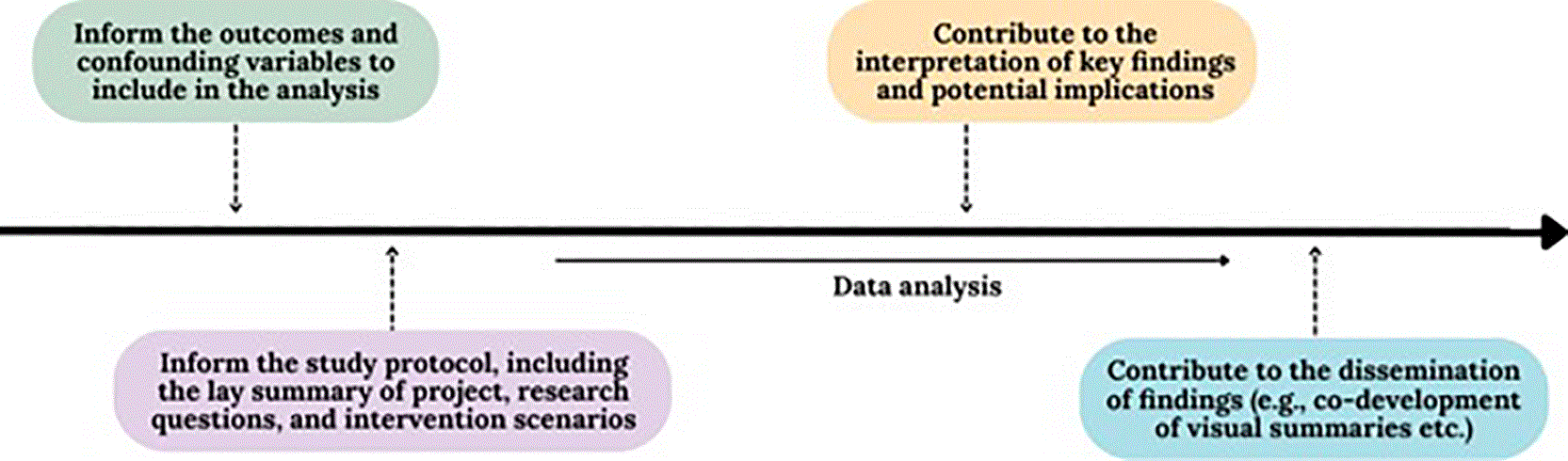
Further PPI activities will be implemented at key stages throughout the study with a dedicated PPI group of 14 people aged 20–50 years who live in the UK and are diverse in terms of gender, ethnic background, and pregnancy and health experience. This will include interpretation of findings and dissemination (see Figure 1). PPI representatives have been, and will continue to be, financially reimbursed for their time according to the National Institute for Health and Care Research guidance.41
This protocol is for an observational, longitudinal, population-based cohort study using linked, individual-level data.
Education and Child Health Insights from Linked Data (ECHILD)
The ECHILD database is a collection of rich, longitudinal administrative datasets spanning health, education, and social care domains across England.35 Initially created by linking the Hospital Episode Statistics (HES) and the National Pupil Database (NPD), ECHILD has since expanded to incorporate the Maternity Services Data Set (MSDS) through the creation of a mother-baby link.34 This link makes it possible to explore how maternal exposures can influence children’s outcomes, thereby providing a resource for studying intergenerational influences at a population-level.
The MSDS will form the foundation of this study as it contains information on preconception health, pregnancy, birth, and infant outcomes. The HES and NPD will provide further information on maternal health, health service use and educational outcomes (e.g., Special Educational Needs and Disability) (see Table 2 for further details).
Maternity Services Data Set (MSDS)
The MSDS captures information about activity carried out by Maternity Services in England relating to mothers and infants, from booking to discharge.42,43 The data cover topics such as:
• Maternal demographic characteristics
• Antenatal booking appointments, pregnancies, and diagnosis details
• Labour, delivery, and birth details
• Neonatal health
Of note, the MSDS provides data collected at the early stages of pregnancy that can be extrapolated to reflect women’s health behaviours before conception. These include smoking status and folic acid supplement use. Included in the dataset are also key sociodemographic characteristics, including ethnicity and area-level deprivation (based on the Index of Multiple Deprivation).
Two versions of MSDS data will be used: v1.5 for pregnancies occurring in 2018/2019 and v2.0 for pregnancies occurring in 2019/2022 (see Figures 2a and 2b).
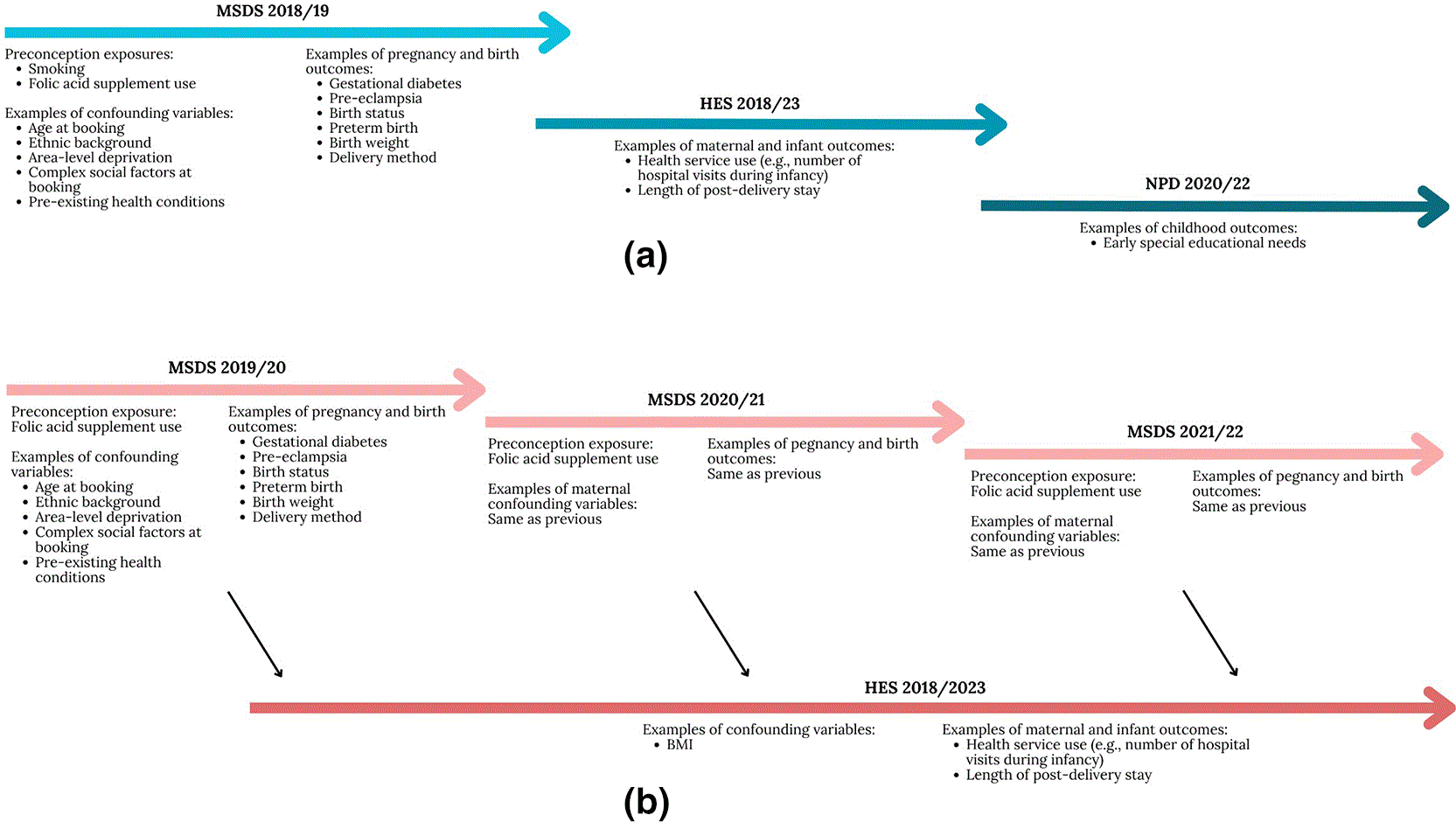
(b) Description of the study population using MSDS v2.0 and linked data.
Hospital Episode Statistics (HES)
The HES data provide detailed information on National Health Service (NHS)-funded hospital admissions in England. While HES includes a multitude of datasets, data of interest to this study include:
• Admitted Patient Care (APC) data capture details of inpatient admissions, including diagnoses, procedures, reasons for admission, and consultant specialties; when the admission relates to a birth or a delivery, additional data are provided, for example parity, mode of delivery, and congenital anomalies.
• Civil Registration Data and Birth Notification Data provide important information, such as birth weight, birth status (e.g., live birth, stillbirth), and other medical details recorded at birth.
National Pupil Database (NPD)
The NPD is a longitudinal source of data on state-funded education and use of children’s social care services in England.44 While its primary source for pupil enrolments is the School Census, the NPD contains several modules, including alternative provision, exam attainment, absence, and exclusions.44 For the current study, modules on census data, including Pupil Level Annual School Census and Early Years Census, are of particular interest, as they capture demographic characteristics such as pupils’ ethnicity, as well as early Special Educational Needs and Disability provision.
The study population will include both mothers and their children (see Figures 2a and 2b). Women with at least one pregnancy recorded between April 2018 and March 2022, based on the date of their antenatal booking appointment, will be included. Both singleton and multiple gestations will be included, and subgroup analyses will be considered.
Records that do not allow a valid mother-baby linkage will be excluded for the analysis on infant and child outcomes. For analyses on educational outcomes, children without NPD follow-up, such as those who died before school entry or did not enrol in schools in England, will be excluded.
The exposures of interest are preconception folic acid supplement use and smoking. The selection of these factors was informed by the potential to modify these behaviours through existing interventions and services, evidence gaps, discussion with PPI members, and data availability and quality (e.g., completeness). These factors have been widely recognised as critical determinants of pregnancy outcomes and early childhood health and are relevant to public health policy and governmental priorities.45
Folic acid supplement use and smoking will be assessed based on women’s self-reports; these data are routinely collected during antenatal booking appointments and recorded in MSDS (see Figures 2a and 2b). To analyse smoking behaviours before and around conception, only MSDS v1.5 will be used, as it contains more detailed information relevant to the preconception period (e.g., v2.0 does not allow the timing of smoking cessation to be ascertained in relation to conception). This earlier version will also be used to analyse folic acid supplement use. Including the 2018/2019 cohort will allow sufficient follow-up time to examine associations with subsequent educational outcomes. Folic acid supplement use will additionally be analysed using MSDS v2.0; its extended temporal coverage offers an opportunity to examine this exposure longitudinally, potentially across subsequent pregnancies to the same women.
Both maternal and child outcomes will be assessed as part of this study. In terms of maternal health, pregnancy and birth complications (e.g., pre-eclampsia, preterm birth) and health service needs (e.g., length of post-delivery stay) will be included; in terms of child outcomes, foetal health (e.g., congenital anomalies), health service needs (e.g., number of planned or unplanned hospital visits), and educational support (e.g., Special Educational Needs and Disability provision recorded from 2–3 years old) will be analysed. Health outcomes will be identified using the International Classification of Diseases, 10th Revision (ICD-10), Systematised Nomenclature of Medicine Clinical Terms (SNOMED CT), and Office of Population Censuses and Surveys Classification of Interventions and Procedures, version 4 (OPCS-4), as relevant. Code lists will be informed by previous publications and existing code lists such as the ECHILD Phenotype Code List Repository and the Health Data Research UK Phenotype Library. Information on health service use will be derived from HES data on women and children’s hospital visits. Children’s educational outcomes, recorded in NPD, will be assessed based on records from 2020/2021 onwards, focusing on the early years period, where evidence indicates that increases in Special Educational Needs and Disability provision are already evident.46
Similarly to exposure assessments, outcomes were selected based on data availability, quality, PPI input, and policy relevance.
Other than the exposures and outcomes, additional variables will be used to describe the cohort and included as confounders in statistical analyses, where appropriate. These include maternal age at booking, Body Mass Index (BMI), exposure to complex social factors (e.g., experience of domestic abuse), parity, pre-existing health conditions, and sociodemographic characteristics such as ethnicity and area-level deprivation.
A comprehensive list of potential exposure, outcome, and confounding variables is included in Table 2.
The data analysis for this study will be carried out within the Office for National Statistics Secure Research Service, using R version 4.4.0. DAGitty version 3.1 will be used to inform analyses, supporting the design of Directed Acyclic Graphs (DAGs) for the identification of confounding variables. Preliminary DAGs specifying key causal pathways between exposures and outcomes are included in Figures 3a-3d.
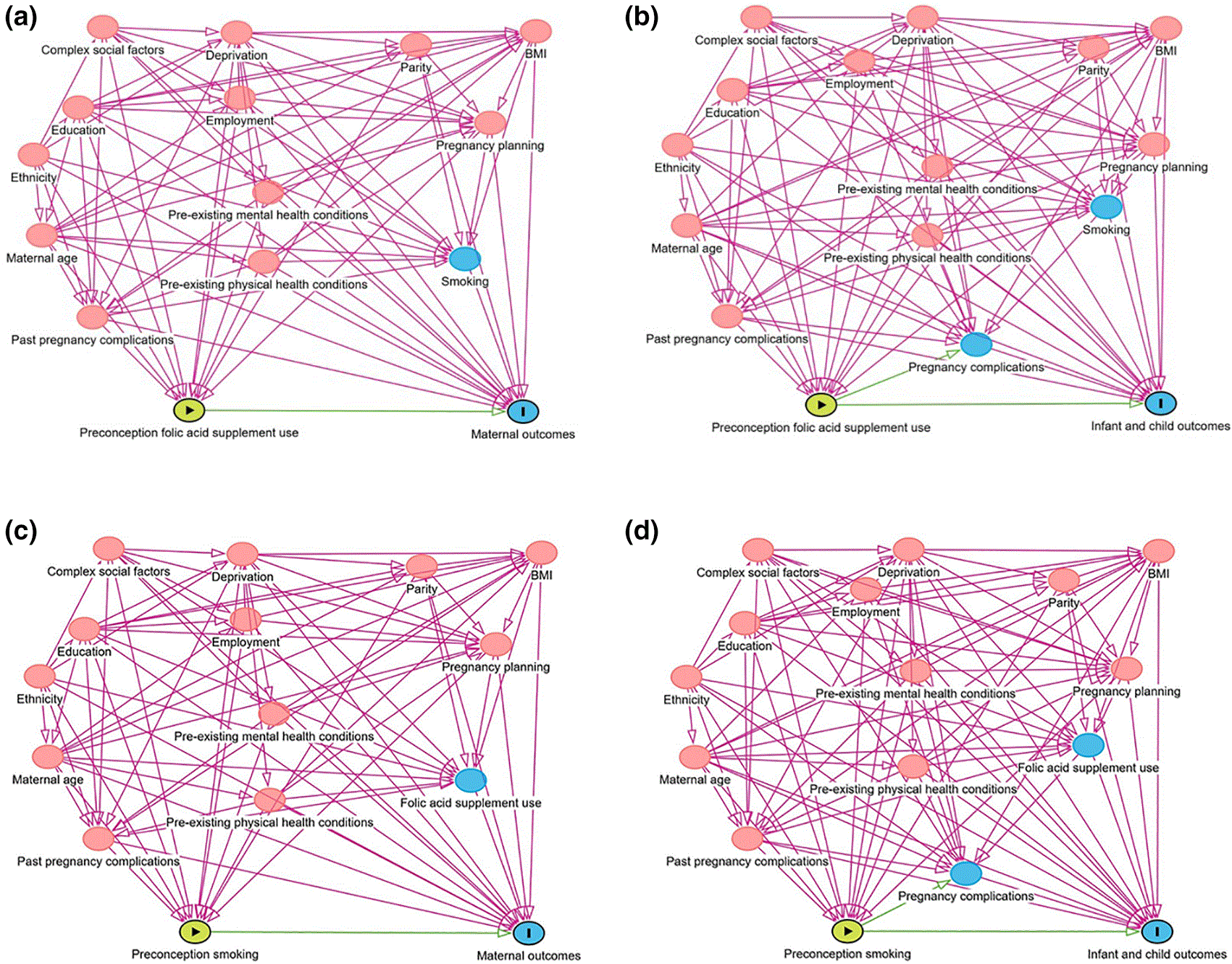
Minimal sufficient adjustment set: Complex social factors, Deprivation, Education, Employment, Ethnicity, Maternal age, Parity, Pre-existing mental health conditions, Pre-existing physical health conditions, Pregnancy planning. Preconception folic acid supplement use vs maternal outcomes. (b) Directed Acyclic Graph to inform the analysis on preconception folic acid supplement use and infant and child outcomes. Minimal sufficient adjustment set: Complex social factors, Deprivation, Education, Employment, Ethnicity, Maternal age, Parity, Pre-existing mental health conditions, Pre-existing physical health conditions, Pregnancy planning. Preconception folic acid supplement use vs infant and child outcomes. (c) Directed Acyclic Graph to inform the analysis on smoking around conception and maternal outcomes. Minimal sufficient adjustment set: Complex social factors, Deprivation, Education, Employment, Ethnicity, Maternal age, Parity, Pre-existing mental health conditions, Pre-existing physical health conditions, Pregnancy planning. Preconception smoking vs maternal outcomes. (d) Directed Acyclic Graph to inform the analysis on smoking around conception and infant and child outcomes. Minimal sufficient adjustment set: Complex social factors, Deprivation, Education, Employment, Ethnicity, Maternal age, Parity, Pre-existing mental health conditions, Pre-existing physical health conditions, Pregnancy planning. Preconception smoking vs infant and child outcomes.
ECHILD undergoes regular updates. Therefore, if more recent data become available during the analysis stage, the authors will consider extending the study period accordingly. For instance, rather than limiting the analysis of NPD data at the 2021/2022 academic year, an updated extract could extend coverage through to 2024/2025. This extension would extend the follow-up period available to assess further educational outcomes and the provision of free school meals.
Descriptive analysis
The selection of the final sample will be presented in a CONSORT-style flowchart detailing the number of women included and excluded at each relevant stage, with specific reasons provided for all exclusions. The final selection of infants and children included in the analysis will also be reported indicating reasons for exclusions.
Descriptive statistics will include frequencies and percentages for categorical variables and means with standard deviations (or medians with interquartile ranges) for continuous variables. These will be presented in tabular form.
Variables ascertaining maternal ethnicity and area-based deprivation level will be used to present disaggregated descriptive results, due to the well-researched maternal health disparities linked to ethnic backgrounds and deprivation.15,32,47,48 Ethnic groups with small sample sizes will be aggregated. Results may also be presented by parity, to differentiate between preconception and interpregnancy health.
Statistical analysis
In line with research questions, risk reductions in outcomes will be modelled under a range of hypothetical intervention scenarios. Scenarios will include complete uptake of the intervention (e.g., all women take preconception folic acid supplements), as well as several more realistic intervention scenarios developed alongside PPI members (e.g., doubling the prevalence of preconception folic acid supplement use). These scenarios will be evaluated using model-based population attributable fractions and potential impact fractions, presented as counts and percentages, to estimate the proportion of adverse outcomes that could have been prevented if one or more preconception health risk factors had been eliminated or changed to a different prevalence level. The extent to which the selected intervention scenarios impact disparities in outcomes will also be assessed by examining estimated risk reductions across different ethnicities and area-based deprivation levels (e.g., if smoking prevalence is halved among women living in the most deprived areas while remaining unchanged in women living in the least deprived areas). Additionally, informed by PPI input, estimates of the increase in intervention uptake, represented as both counts and percentages, needed to prevent a specified number of outcome cases will be derived (e.g., estimating how many more women would need to take preconception folic acid supplements to prevent N cases).
Generalised estimating equations will be used in the analyses on preconception folic acid supplement use using MSDS v2.0 data, to account for multiple pregnancies to the same woman. Patterns of missing data will be explored and reported.
The findings from this record-linkage study will be interpreted in the light of certain limitations.
A key limitation is the retrospective identification of preconception behaviours (i.e., women are asked during early pregnancy to report the behaviours they engaged in during the period preceding their pregnancy). This is a common limitation since the preconception period can only be identified after a woman has already become pregnant.1 Because these preconception behaviours are self-reported, they may also be subject to biases such as social desirability, with smoking potentially being under-reported and folic acid supplement use over-reported. There are other limitations to the study dictated by the data available; for example, the Index of Multiple Deprivation, which is used to classify maternal deprivation, is an area-based measure that may not fully reflect an individual’s personal circumstances; this can bias results through misclassification, as women may be assigned deprivation levels that do not reflect their personal circumstances. Additionally, pregnancies which were terminated or from women who miscarried prior to attending an appointment with a healthcare professional will not be captured in the data. More broadly, a further limitation is the use of only NHS-funded healthcare interactions. While the vast majority of interactions in England are NHS-funded, representing around 1.7 million patient interactions every day,49 certain services are largely privately funded (e.g., assisted conception and related interactions).50 These cases will not be captured in the data if NHS services were not used and will therefore not be included in the analysis.
It is important to recognise that there are social determinants of health that can shape the data available.51 For example, health literacy, system-level barriers, and group-based differences in access to healthcare can all affect the availability of the data used in research.52,53 The potential under-representation of certain groups of people, such as ethnic minorities, as well as potential provider-level bias,42 will be reflected in the contextualisation of the results. Another potential source of bias arises from the inclusion of data collected during the COVID-19 pandemic; women’s folic acid supplement use during this period may have been disrupted; changes to hospital operations and care pathways during the height of the pandemic may have influenced key outcome measures, such the length of hospital stay; and the pandemic may have contributed to under-reporting of children’s educational experiences, such as access to Special Educational Needs and Disability provision, and missed opportunities for recognising need. Finally, male and partners’ preconception health is of importance when characterising pregnancy, infant, and childhood outcomes,54 as also highlighted by PPI representatives, though their preconception health cannot be assessed with the available data.
This study will be disseminated to diverse stakeholders, such as academics, clinicians, public health professionals, and policymakers, through tailored presentations and peer-reviewed publications. Other dissemination avenues will also be explored based on feedback from PPI representatives. A multi-faceted dissemination strategy will ensure that the study’s results are accessible, actionable, and relevant to both academic and non-academic audiences. Findings will inform advocacy for targeted public health strategies and interventions aimed at improving preconception health and reducing health disparities across diverse populations.
To ensure transparency and reproducibility, the reporting of this study will adhere to established guidelines: the Strengthening the Reporting of Observational Studies in Epidemiology (STROBE) statement and the Reporting of studies Conducted using Observational Routinely-collected health Data (RECORD) statement.55,56 The GRIPP2 checklist40 will be used to comprehensively report the PPI activities carried out as part of this study.
Using linked record-level routinely collected data, the proposed study will provide a comprehensive analysis of the benefits of preconception intervention scenarios related to smoking and folic acid supplement use on maternal and child outcomes, including health service use and education, and health disparities. Using both descriptive analyses and methods to strengthen causal inference, the findings of the study are expected to support advocacy for improved support for preparation for pregnancy and parenthood.
Permissions to use de-identified linked data from Hospital Episode Statistics and the National Pupil Database were granted by the Department for Education (DR200604.02B) and NHS Digital (DARS-NIC-381972); consent from patients is not required for Hospital Episode Statistics as the data provided by NHS Digital is pseudo-anonymised and reduces identifiability to researchers; further information on opting out of Hospital Episode Statistics for secondary usage can be found here. Ethical approval for the ECHILD project was granted by the National Research Ethics Service (17/LO/1494), NHS Health Research Authority Research Ethics Committee (20/EE/0180 and 21/SW/0159) and is overseen by the UCL Great Ormond Street Institute of Child Health’s Joint Research and Development Office (20PE16).
The project has also been approved by the University of Southampton Faculty Ethics Committee (Ethics and Research Governance Online Submission ID: 101698).
Provide sufficient details of any financial or non-financial competing interests to enable users to assess whether your comments might lead a reasonable person to question your impartiality. Consider the following examples, but note that this is not an exhaustive list:
Sign up for content alerts and receive a weekly or monthly email with all newly published articles
Register with NIHR Open Research
Already registered? Sign in
If you are a previous or current NIHR award holder, sign up for information about developments, publishing and publications from NIHR Open Research.
We'll keep you updated on any major new updates to NIHR Open Research
The email address should be the one you originally registered with F1000.
You registered with F1000 via Google, so we cannot reset your password.
To sign in, please click here.
If you still need help with your Google account password, please click here.
You registered with F1000 via Facebook, so we cannot reset your password.
To sign in, please click here.
If you still need help with your Facebook account password, please click here.
If your email address is registered with us, we will email you instructions to reset your password.
If you think you should have received this email but it has not arrived, please check your spam filters and/or contact for further assistance.

Comments on this article Comments (0)