Keywords
children and young people; crisis care; experiences; implementation; mental health; normalisation process theory; qualitative case studies; sequential mixed methods design

children and young people; crisis care; experiences; implementation; mental health; normalisation process theory; qualitative case studies; sequential mixed methods design
 How to cite: Bennett C, Williams J, Sawle L et al. Organising, sustaining, experiencing and integrating mental health crisis care for children and young people: qualitative findings from eight contrasting case studies in England and Wales. [version 1; peer review: 1 approved, 1 approved with reservations]. NIHR Open Res 2026, 6:99 (https://doi.org/10.3310/nihropenres.14290.1)
First published: 21 Jul 2026, 6:99 (https://doi.org/10.3310/nihropenres.14290.1)
Latest published: 21 Jul 2026, 6:99 (https://doi.org/10.3310/nihropenres.14290.1)
How to cite: Bennett C, Williams J, Sawle L et al. Organising, sustaining, experiencing and integrating mental health crisis care for children and young people: qualitative findings from eight contrasting case studies in England and Wales. [version 1; peer review: 1 approved, 1 approved with reservations]. NIHR Open Res 2026, 6:99 (https://doi.org/10.3310/nihropenres.14290.1)
First published: 21 Jul 2026, 6:99 (https://doi.org/10.3310/nihropenres.14290.1)
Latest published: 21 Jul 2026, 6:99 (https://doi.org/10.3310/nihropenres.14290.1)
Supporting the health and wellbeing of children and young people (CYP) is a global priority (Clark et al., 2020). Worldwide, one in seven CYP aged between 10 to 19 experiences a mental health difficulty, and suicide is the third leading cause of death among 15 to 29 year olds (World Health Organization, 2025). Multiple social, psychological, biological, environmental and economic challenges have the potential to influence the mental health experiences of CYP, demanding joined-up, cross-sectoral, action (World Health Organization, 2021). This includes upstream initiatives to promote mental health and wellbeing in homes, schools and communities, early interventions involving primary health care and other staff, and intensive responses for CYP with the highest levels of need including those in crisis (World Health Organization, 2025).
In countries with developed health, social care, education and related systems, the responsibility to promote mental health in CYP and to respond to distress is shared across a web of agencies and organisations (Garratt et al., 2024; Hatherley, 2022). In England and Wales, where the current study took place, there has been a sharp increase in the prevalence of mental health crisis among CYP. In the year ending March 2025, 566,520 CYP aged under 18 in England had contact with secondary mental health services (NHS England, 2025), with the country’s Children’s Commissioner noting an increase in crisis referrals to mental health services in the year 2023–24 (Children’s Commissioner, 2025). In Wales, almost 52,000 mental health crisis events involving ambulance attendance, emergency department visits or emergency admission among 11–24 year olds took place between 2016 and 2020 (Bentley et al., 2022). In the quarter ending December 2025, 20 CYP under the age of 18 in Wales were taken to places of safety under sections 135 or 136 of the Mental Health Act for England and Wales (Welsh Government, 2026).
The emergent nature of this very specific need has led to a profusion of policy and targets nationally and internationally (National Institute for Health and Care Excellence, 2024; NHS England, 2024; Welsh Government, 2025; World Health Organization, 2021, 2024). Recent developments in the UK include the identification of the necessary components for high-quality services for CYP with commonly experienced mental health difficulties (Pryjmachuk, Kirk, Fraser, Evans, Lane, Neill, et al., 2024b), but there remain significant gaps in what is known about responses provided to CYP in mental health crisis and how these are organised, sustained, experienced and integrated within their local systems of services (Evans et al., 2023). Against this background this paper reports on findings from the second and third work packages of a wider study (Bennett et al., 2023) which sought to address the following objectives:
➢ to identify eight contrasting case studies in which to evaluate how crisis services have developed and are currently organised, sustained, experienced and integrated within the context of their local systems of services;
➢ to compare and contrast these services in the context of the available international evidence, drawing out and disseminating clear implications for the design and delivery of future crisis responses for children and young people and their families.
This paper presents, first, a within-case analysis (Ayres et al., 2003) of how crisis care developed, and how it was organised, sustained, experienced and integrated in each of the contrasting case studies. Using a context, mechanism and outcome framework (May et al., 2022) it then synthesises learning across all eight cases and identifies principles to underpin policy, services and practice.
The need for this study arose from an earlier evidence synthesis which itself involved people with personal experience of CYP mental health services (Evans et al., 2023). In the current study, the funded research team included a young person with experience of CYP mental health services and of activism in the field (Mair Elliott), and who had also been a member of the previous evidence synthesis team. The team additionally included the Engagement Manager for CYP, parents and carers at the Children’s Social Care Research and Development Centre (CASCADE) at Cardiff University (Rachael Vaughan) whose role involved engaging with CYP members of CASCADE Voices throughout the study. Funding was also secured to pay CASCADE Voices members for their time and expertise. Key junctures where CYP were involved included in the construction of age-appropriate flyers, participant information sheets, and videos outlining what participation would involve, prior to an application being made for research ethics committee (REC) approval. CYP were also involved in identifying and refining approaches to recruitment and data collection, again prior to applications for REC approval and amendments being made. Following consultation with CASCADE Voices members and as part of a wider dissemination plan an accessible animation summarising the study, aimed at CYP and others, was also produced.
A protocol for this study has previously been published (Bennett et al., 2023), and a companion paper has reported on the initial arm of the project, this being a cross-sectional survey examining the characteristics, organisation and implementation of mental health crisis care for CYP aged 5–25 in England and Wales (Bennett et al., 2025). A further paper reporting on whole-project methodological, ethical, theoretical and fieldwork reflections is under review (Hannigan et al., unpublished report). As a team, we brought experience in CYP mental health research and practice to our project, with the bulk of the data being generated by two research associates and one research assistant supported through our funding award. All three were experienced in mental health and/or health services research and none had prior practice connections with any of the case study sites.
Underpinned by commitments to the use of a theory-informed sequential mixed methods design (Creswell & Plano Clark, 2018), the first phase of the project involved the analysis of 124 survey responses, each relating to a discrete crisis response service for CYP (Bennett et al., 2025). This analysis indicated a wide variety of approaches to provision, from which a typology comprising 15 models was produced ( Table 1). This typology was used as a sampling frame for the second phase of the project, from which eight contrasting services (i.e. across geographic and socioeconomic settings, populations served and service configurations) were purposively selected as case studies. Decisions on which services to approach for inclusion were made in consultation with the project’s external advisory groups.
A favourable ethical opinion relating to this case study phase of the project was given by the South West – Cornwall and Plymouth Research Ethics Committee (REC) in May 2023, with approval for the study to proceed also confirmed by the Health Research Authority (HRA) and Health and Care Research Wales (HCRW) (REC reference 23/SW/0063, IRAS project ID 324235). In each case, data on service organisation and provision were available from the individual survey returns completed in the first phase of the project. Where available, service specifications, standard operating procedures, policy scoping and strategy reports, previously completed evaluations, service engagement data, service leaflets, media reports and information from service websites were also sought. The larger part of the body of data in each case study was generated through audio-recorded, semi-structured, in-depth qualitative interviews. Interviews focusing on experiences of service implementation and use were conducted in person or online with purposively sampled CYP (with their parents/carers, in the case of CYP aged 11 and under, and with parents/carers present if this was preferred by CYP aged 12–25), and with parents and carers independently. To make it easier for CYP to participate, preparations were made to include the use of creative methods, for which members of the research team took part in pre-fieldwork training (Kara, 2020). Applications to expand the ways in which CYP aged 12 and over could participate, including through the use of voice notes, messaging and email were given favourable ethical opinions by the South West – Cornwall and Plymouth REC in September 2024 and January 2025 and were approved by the HRA and HCRW (REC reference 23/SW/0063 [substantial amendments SPON1935-23_SA04 and SPON1935-23_SA05], IRAS project ID 324235). Further methodological and ethical reflections on this evolving approach to fieldwork and data generation with CYP are contained in an associated paper (Hannigan et al., unpublished report). Interviews were also conducted with purposively sampled crisis care commissioners, managers and practitioners, and with local stakeholders. The topic guides for these were informed by implementation ideas, reflecting the theoretical framework expanded on below. All interview topic guides used in the study can be accessed at the project’s Open Science Framework site (Bennett et al., 2026), with further information given below under Extended data.
Informed consent was obtained from all interview participants, and from parents/carers of CYP under the age of 16 who participated. Assent was also secured from all CYP under the age of 16 who participated. As the project progressed, the option to give verbal informed consent (as an alternative to written consent) was given favourable ethical opinions by the South West – Cornwall and Plymouth REC in October 2023 and March 2024 (REC reference 23/SW/0063 [substantial amendments SPON1935-23_SA02 and SPON1935-23_SA03], IRAS project ID 324235). Further details on why these amendments were requested, and how written or audio-recorded informed consent, and additional assent in the case of participants under the age of 16, were obtained and recorded is given in the Ethics, consent and data storage section below. Data were collected from May 2023 until January 2025.
A foundational idea underpinning this project was that crisis care for CYP is a complex intervention introduced into complex systems (Bennett et al., 2023). This proposition and its significance is explored in detail in the separate paper referred to above (Hannigan et al., unpublished report), but in sum it refers to the idea that approaches to the organisation and provision of crisis care have multiple moving parts and the introduction of these is invariably into surrounding systems which are, themselves, replete with complexity. Reflecting the study’s specific purpose to examine the organisation, sustainability, experience and integration of crisis care, implementation science ideas were also deployed including normalisation process theory (NPT) (May et al., 2020). As a relatively new cross-disciplinary field, implementation science is concerned with the ways in which evidence is used in everyday practice to improve services (Eccles & Mittman, 2006). NPT is one of a cluster of frameworks arising within this field, and is an evolving set of concepts valuable in framing studies of how new interventions, or approaches to provision, take hold and become embedded within the larger systems within which they are introduced. An enduring NPT focus is improving understanding of the work which people individually and collectively do to introduce and integrate new ways of providing services, with these ‘generative mechanisms’ encompassing the domains of coherence building, cognitive participation, collective action and reflexive monitoring (May & Finch, 2009). In the current iteration of NPT, this interest in mechanisms has been augmented by additional concerns to understand the wider context within which new approaches to service provision emerge and the outcomes of the work which people do (May et al., 2022). This expansion, summarised in Table 2 below, closes the theoretical gap between NPT and realist evaluation (Pawson & Tilley, 1997). ‘Context’ encompasses the influence enduring structures and the wider environment exert on implementation processes, and includes the four domains of strategic intentions, adaptive execution, negotiating capacity and re-framing organisational logics. ‘Outcomes’ are the results of implementation mechanisms being felt, and include the four domains of intervention performance, relational restructuring, normative restructuring and sustainment (normalisation). In the study reported on here, this iterative enhancement to NPT was knowingly adopted given our awareness of the importance of the fast-moving wider public health and policy context for CYP crisis care and of the value of better understanding the ways in which implementing work influences organisational outcomes.
A detailed data analysis protocol, informed by May et al.’s (2022) NPT coding manual, was developed to support the rigorous interpretation of the interview and other data generated in each of the eight case studies. Initial, sensitising, reflections and a summary of each professionally transcribed interview were tabulated according to the domains of ‘context’, ‘mechanism’ and ‘outcomes’ (CMO) in a Word document. All data (professionally transcribed and anonymised interviews, reports and related documents) were entered into a case study-specific NVivo 12 project (Lumivero, 2020). Using NVivo, in the style of a directed content analysis (Hsieh & Shannon, 2005) an NPT coding framework was applied to transcripts of the professionals’ interviews, using 12 constructs across the three domains of context, mechanism and outcome ( Table 2) as per the process described by May et al. (2022). Information from available case-specific documents, such as public and professional-facing descriptions of services provided and past reports on provision, were used to provide background information only.
Alongside this NPT-informed framework analysis, we conducted a reflexive inductive analysis (Braun & Clarke, 2022). In practice, if the NPT constructs did not capture a phenomenon applicable to our research questions, we created a code (‘node’ in NVivo 12). This method of analysis was also used for the CYP, parents and carers’ interview data since it largely provided vital information on experience. However, if the CYP or parent/carer data also gave insight into one of the NPT constructs this was coded accordingly. There was, therefore, an iterative approach between the two modes of analysis.
Next, we summarised and synthesised on a within-case basis. For the professionals’ data, this involved an iterative abductive approach (Alvesson & Sköldberg, 2018) moving between the data coded across the CMO, NPT framework and inductive analyses. This generated a set of within-case NPT-informed themes. We reviewed how the CYP, parents and carers’ experiences mapped onto these themes (what we referred to as implementation-focused ‘nuggets’ of information). For the CYP, parents and carers’ data, we considered the inductive codes reflexively through patterning (clustering) of codes. Key quotes were also noted. Data, themes and findings for each site were stored in a Microsoft PowerPoint and summaries written up for reporting in this paper. To promote rigour, during the period of data analysis for this part of the larger project, core members of the project team (Clare Bennett, Claire Fraser, Leanne Sawle, Jessy Williams and Ben Hannigan) met weekly to discuss and review emerging findings and whole-team meetings were held to review developed findings as analysis progressed.
To support cross-case comparison and contrast, and to better locate findings from this phase of the overall project alongside what has been learned from earlier implementation-focused mental health services studies we summarised key findings from each case study in matrix style (Miles et al., 2020) using a CMO framework (May et al., 2022). Using this same framework, synthesised cross-case findings were brought together with insights derived from previous NPT-informed mental health studies, ahead of the identification of a series of principles for policy, services and practice.
Of the eight selected case studies, five were in England and three were in Wales. Two sites provided a dedicated service for specific groups of CYP: care-experienced CYP, and CYP with learning disabilities. Brief descriptions of the case studies are provided in Table 3. The location of each case in either England or Wales is not given to prevent site identification.
| Site 1: Model C
*: Non-residential safe haven service in an urban locality.
Third sector, open access, drop-in crisis service that supported CYP (up to 25 years) and parents/carers. The aim of the service was to provide an alternative to A&E for CYP in crisis. |
| Site 2: Model A
*: Community in-person rapid response in an urban and rural locality.
NHS child and adolescent mental health services (CAMHS) Outreach Team supporting CYP up to 18 years. The service aimed to prevent hospital admission and to assess, stabilise and reduce risk via a systemic approach. |
| Site 3: Model L
*: Community in-person rapid response and crisis placements service in an urban and semi-rural locality.
Partnership led intensive mental health service for CYP aged 4–18 and carers/families involved in children’s social care. The aim of the service was to support CYP with complex mental health needs within their local community, preventing out of area placements. |
| Site 4: Model B
*: Emergency mobile response in an urban and semi-rural locality.
NHS and Police partnership emergency mobile response car for CYP aged 16–25 years (and adults) aimed at reducing the use of Mental Health Act (1983) section 136 detentions and diverting service users away from A&E. |
| Site 5: Model K
*: Community in-person and hospital-based rapid response in an urban and rural locality.
NHS CAMHS Crisis pathway incorporating teams from CAMHS Crisis, rapid response, hospital staff and third sector partners. The pathway aimed to provide crisis assessments for CYP aged 5–18 years, a timely follow-up appointment and signposting or referrals to onwards services if necessary. |
| Site 6: Model D
*: Remote provision.
Third sector service delivering remote provision that aimed to offer information, advocacy and support for CYP up to 25 years. The service was not explicitly a mental health service but provided open access support during mental health crisis. |
| Site 7: Model C
*: Non-residential safe haven in an urban locality.
Third sector 24/7 safe haven for CYP aged 12–18 years which took referrals from local CAMHS teams. The service aimed to prevent hospital admissions and to reduce pressures on CAMHS services. This site was categorised as a model C service based on the survey responses received in work package 1, but as the service commenced and evolved during work package 2 it also extended into the provision of overnight stays (up to 48 hours). |
| Site 8: Model G
*: Residential crisis house in an urban and rural locality.
NHS residential crisis house providing short-term, intensive support for CYP aged 16–25 years with a diagnosis of learning disability, with or without autism, who were experiencing crisis. The aim was hospital admission avoidance. |
* see typology reproduced in Table 1.
In total, 25 CYP, 25 parents/carers and 87 professionals participated in interviews or modified interviews in the case of CYP. Table 4 presents the participant composition at each site. Although the total number of participants exceeded our minimum targets there were variations in recruitment across the sites. For example, Site 4 only supported young adults aged 16 and over, meaning that parental involvement and, hence, recruitment was limited. Similarly, Site 6 focused only on supporting CYP. Difficulties were experienced in recruiting CYP and parents at Site 7 since it was a new, pilot, service. Site 8 supported CYP with learning disabilities, many of whom were non-verbal, and engagement was therefore primarily with parents.
Overcoming barriers to participation and promoting equality, diversity and inclusion (El Boghdady, 2025) was a priority throughout this study. Reflecting this, among CYP, 8% identified as non-binary and 60% were White British, English or Welsh as compared to the latest Census results for England and Wales which recorded 74.4% of the population as White British, English, Welsh, Northern Irish or Scottish (Office for National Statistics, 2022). We also attracted a wide range of age groups (8–25 years). However, demographic data for parents/carers and professionals demonstrated less diversity: 88% of parent/carer participants were female and 88% were White British, English or Welsh and almost 80% of the professionals were female and 88.5% were White British, English or Welsh. Participant characteristics are summarised in Table 5.
For each of the eight case study sites, we initially present findings relating to CYP and parents’/carers’ experiences of the respective services, followed by an overview of themes generated from the professionals’ data. To protect the identify of all participants and each of the case study sites, no names are used of either people or places. Data extracts are attributed to people taking part using an anonymisation convention, with the following codes used to identify the broad category of participant: P = parent; CYP = child or young person; PROF = professional (subsuming service managers, practitioners and commissioners). Ellipses are used to designate segments of data extracts which have been removed.
Site 1 was a non-residential safe haven service in an urban locality. It was a third sector, open access, drop-in crisis service that supported CYP (up to 25 years) and parents/carers through a number of hubs across a geographical region. Its aim was to provide an alternative to Accident and Emergency (A&E) for CYP in crisis.
CYP and parents’/carers’ themes
Figure 1 provides a summary of the themes developed from the CYP and parents’/carers’ data for Site 1.

Accessibility and immediacy
CYP and parents/carers praised the service’s convenience and accessibility. They described being seen promptly and were positive about the drop-in being accessible to CYP without parents being present: “It’s really important that that provision is available … accessing CAMHS without parental knowledge might be difficult” (P_118). One parent reported that their child felt more comfortable at Site 1 than CAMHS as it felt more approachable. However, some CYP and parents/carers reported knowing little about the drop-in crisis service before they accessed it for the first time, suggesting a need to increase its profile. CYP also described wanting the drop-in crisis service to be open later in the evening.
Continuity
Participants had mixed feelings about the continuity of support available. A parent described their child wanting to see the same practitioner at each visit which was not always possible and deterred them from attending. However, another CYP liked the sense of anonymity seeing different practitioners gave: “… it just means it’s not someone who you know, so it’s not like they can go and tell someone” (CYP_078).
Language
The name of the drop-in crisis service had changed over recent years. It began as a general ‘drop-in’ service, to become an explicit crisis service and later, during data collection, the name changed back to a more general on-the-day support service. A more generic name was perceived positively by the CYP. One CYP outlined that they “stopped using” the service when it was called a crisis service because “I don’t know if I’m in a crisis, I don’t know if I would be classed as being in a crisis, so it kind of put me off using it” (CYP_037). The change in name also appeared to impact service delivery: “It was like you could only use this space if you’re in a crisis … it stopped being … a social space and a comfortable space, and it went more into being, you come in, you … speak to someone, and then you go out” (CYP_037).
Staff qualities
Participants described the service as a safe space where they could go to talk and engage in positive support. This was attributed to the staff being non-judgemental, understanding and nice. Their informal approach was positively appraised: “… it’s just really informal … you can just chat to people” (CYP_078). However, CYP noted that they wanted all staff to have adequate training and skills to support CYP during crisis. Some also felt that better communication was required during first use of the drop-in concerning what would happen and available support pathways.
Professionals’ themes
Figure 2 provides a summary of the themes developed from the professionals’ data for Site 1.
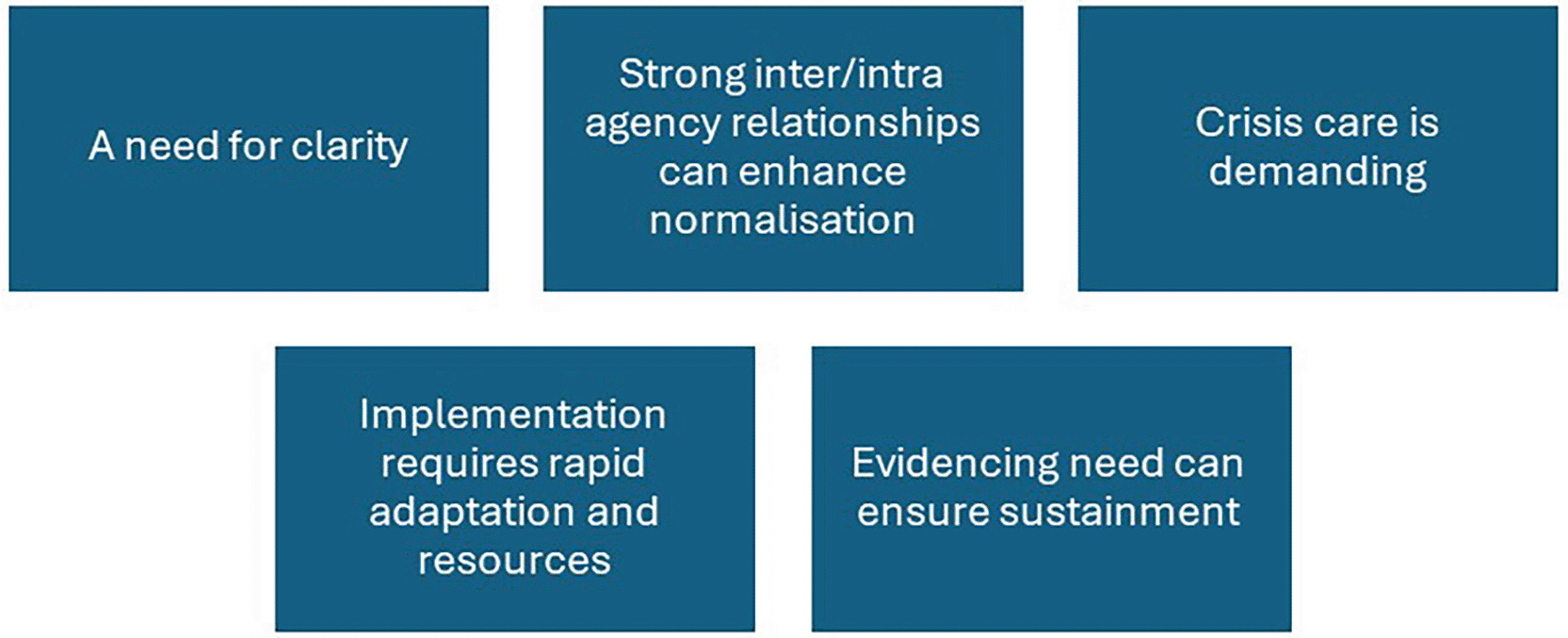
A need for clarity
Staff felt that the “boundary” of the drop-in crisis service could be ambiguous for CYP, with a change of service name to ‘drop-in’ during data collection making it less crisis-specific: “I think sometimes for young people that boundary of what the service is … does get a little bit blurred”. Likewise, there was concern that external partners were confused about the purpose of the service, potentially thinking that it was a general drop-in rather than specifically a crisis drop-in: “…I’ve had a couple of people … saying ‘My doctor said that I can come to the drop-in and you will get me therapy’” (PROF_004). It was felt that “… there needs to be a lot more promotion around the offer in [NHS trust]” (PROF_003) and “GP practices across [Site City]” (PROF_002).
Anxiety concerning what crisis means was also described by staff: “… everyone has a different interpretation of it … What does [crisis] mean?…what are we going to be presented with … “ (PROF_002) and “… who am I to say that that young person still isn’t in crisis, just because it’s not immediate …” (PROF_004).
A desire for consistency in service delivery was also highlighted by staff wanting to: “… streamline things … [so that] everyone will have a standardised response to different presenting issues that a young person or family come with …” (PROF_002).
Strong inter/intra agency relationships can enhance normalisation
The drop-in crisis service was normalised in the CAMHS pathway due to strong interagency working practices: “… if somebody rings up and… it’s for a lower-level intervention, then they’ll be signposted… the CAMHS partnership works really well” (PROF_005). Longstanding relationships with the commissioning team and being part of the CAMHS partnership were felt to be a “real asset” (PROF_002). Staff participated in multidisciplinary team meetings in which they discussed “complex cases” and examples of good practice. They also participated in monthly operational meetings with local NHS Trusts and ‘Memoranda of Understanding’ (MoU) were in place. Although, in practice, staff reported some difficulties in working with NHS trusts, it was held that coherence was enhanced through these practices. For example, an MoU with CAMHS ensured that “everyone knows what they contribute to the offer” (PROF_003).
Crisis care is demanding
Staff emphasised that crisis care required a specific skill set, underpinned by training and education. It was noted that the organisation used shadowing as a supportive and effective mechanism: “… lots of shadowing opportunities … across the board” (PROF_004). Service managers also cited reflective practice as pivotal to the development of the service: “… it’s been a lot of learning… we can only learn by doing and then reflecting and adapting” (PROF_002). Practitioners described not receiving specific training in relation to crisis care, although training in responding to crisis calls was scheduled with staff acknowledging that this was needed (PROF_009, interview notes, recording failure).
The challenging nature of the work was perceived to make recruitment to crisis-specific posts difficult: “… with crisis, you never know what you’re going to get …” (PROF_007). One practitioner described working on the drop-in as “really overwhelming at times” (PROF_010) and a lack of confidence was described by some practitioners. Some were reluctant to work in the drop-in service: “… people don’t like the drop-in … even though they’re equipped to do it, because they’re professionals and they’ve dealt with these things, some people feel uncomfortable …” (PROF_004). In the local hubs, there was some dissonance around specific roles with staff being drawn from other areas of the service: “Yeah. So, my role is a wellbeing practitioner … [but] I do … crisis drop-in” (PROF_010).
Implementation requires rapid adaptation and resources
Managers believed that the third sector was adept at rapid adaptation, mobilisation and implementation, as evidenced by the implementation of the drop-in crisis service: “… we received a short-term piece of funding… it was to be mobilised within matters… of weeks… and we… ran with it…” (PROF_002). Implementation required a change in shift patterns initially, including practitioners needing to work on a weekend day but high numbers of staff meant that individuals were only required to work weekends occasionally. “… because there’s so many of us, we can… do that once a year or so … you don’t mind working one Saturday out a year” (PROF_010).
Evidencing need can ensure sustainment
Data were used to demonstrate need and secure funding for the entire offer at Site 1: “… every single year … we do get that funding because we’ve got the data to show that there’s a need there” (PROF_001). However, the short-term nature of funding periods resulted in: “… staff not feeling very secure … sometimes staff only get a year contract …” (PROF_001).
Routine outcome measures were used to demonstrate the “worth” of the service and to help Site 1 to “establish our footprint” and communicate in “NHS language” (PROF_002). However, this posed some cultural challenges for some: “… there are people who think that ‘well, if I move towards that way of working, then I’m losing, you know, some of the identity of the third sector, and I’m becoming clinical’” (PROF_007). In addition, CYP feedback was not routinely collected with some staff feeling that it would be “a bit untasteful” and not “appropriate” (PROF_010) to “… be giving them a form to fill out on how things have been, when their head’s not in the right place…” (PROF_001).
Internal referrals to Site 1 as an alternative to A&E had increased: “… the demand internally is going up” (PROF_003). Similarly, self-referrals from the local community to local hubs had increased: “… we’ve had to work really hard to kind of gain the trust of the community… we didn’t get many walk-ins at all initially, and now we’re really busy with them… young people and families are now using them, because we’ve built that trust up, and they know that if they do call in, that they will be seen …” (PROF_005).
Site 2 was a community in-person rapid response NHS CAMHS outreach service supporting CYP up to 18 years. The service aimed to prevent hospital admission and to assess, stabilise and reduce risk via a systemic approach.
CYP and parents’/carers’ themes
Figure 3 provides a summary of the themes developed from the CYP and parents’/carers’ data.
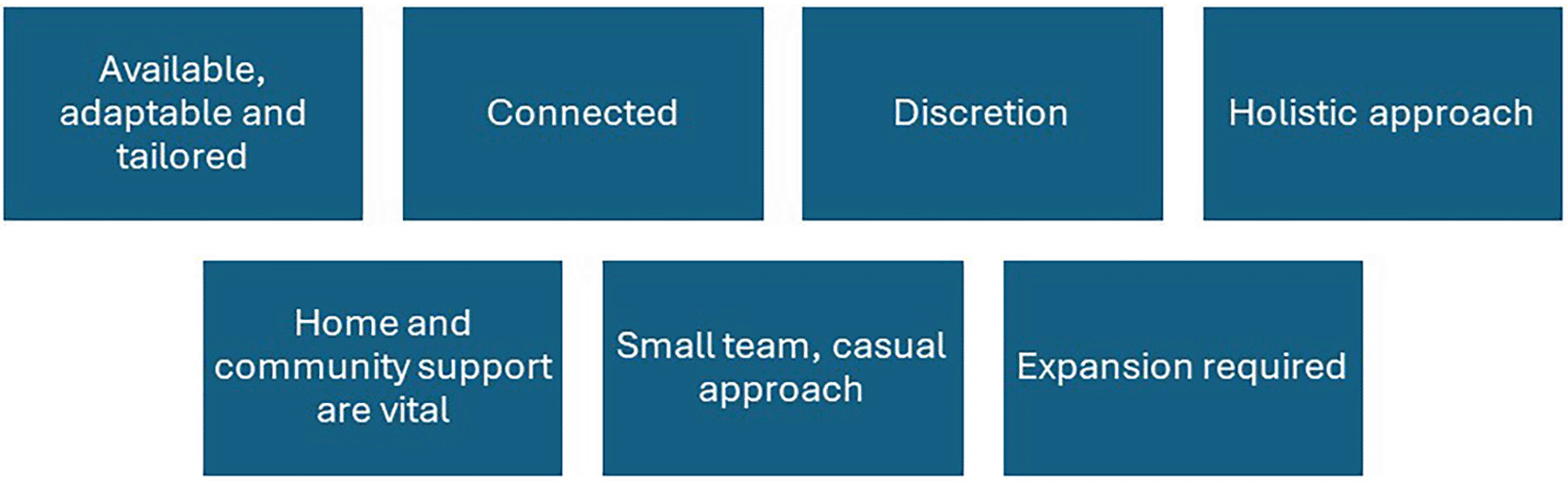
Available, adaptable and tailored
Once referred to Site 2, CYP and parents/carers received immediate support which was felt to be crucial. Communication channels were flexible: CYP and parents/carers could contact the team via text, WhatsApp, telephone and email. Frequency of contact depended on how much support CYP needed at the time, which they perceived as helpful. CYP described the team as responsive and felt they were always there for them: “I liked that I didn’t have to go anywhere to see them. They were always so kind and supportive and helped me through some of my darkest times. I liked the flexibility of our sessions … we did a mixture of different things. I also like that they came to see me multiple times a week and that I could text them whenever I was struggling and they would try and arrange to see me … they were always there for me” (CYP_134). Parents liked being able to access Site 2 at weekends including home visits.
Connected
CYP found the sharing of information between core CAMHS and Site 2 teams helpful, as it meant that they did not need to repeat themselves and it made them feel that the teams were connected. If CYP were struggling, the teams would speak to one another: “… when I was struggling more, they would contact each other being very like, connected, so I would get more meetings from outreach or from core CAMHS” (CYP_107). Parents described staff as being able to manage other services well: “… [practitioner] was really good at bringing all the services together…Making sure everyone was on the same page” (P_106). Parents felt referrals to core CAMHS were quicker because their CYP were under the care of Site 2 with handovers facilitated through meaningful meetings which “… were really helpful” (P_143).
Discretion
The CYP liked the discretion shown by staff. For example, CYP were asked how much detail they would like to be shared with core CAMHS. Likewise, CYP praised how the team would discreetly communicate with their school: “they would communicate with one person … the information would be managed and it wouldn’t be sent off to all my teachers and suddenly everyone knows about my circumstances …” (CYP_107).
Holistic approach
Parents described the Site 2 practitioners developing in-depth understandings of the CYP’s context: “… they take a very holistic approach…They’re not just looking at a diagnosis … They’re looking at the whole picture, the whole family” (P_106). As a result, parents felt that practitioners made good progress with their CYP: “… amazing. Absolutely incredible transformation” (P_135) and they “… had really got to grips with [CYP] and what was going on … sensory needs. Everything that [CYP] needed help with. They’d speak to school, they’d get lots of additional help in place… We’d all get to learn and understand [CYP], what [CYP] needs” (P_135). The impact of Site 2 was described by a parent as “… really positive and it was definitely a lifeline for us. There was a nice balance of supporting my [CYP] whilst checking in with us as well” (P_099).
Home and community support are vital
CYP and parents liked not needing to travel to appointments to see the Site 2 team. Home, community and school visits were identified as positive and helped improve engagement: “… it’s important that the place where they meet you is flexible as travelling anywhere when you are in crisis can feel very overwhelming.” (CYP_134). One parent also underscored the importance of not needing to travel to access Site 2 because their child could not leave the house: “… that’s a massive thing for kids like [CYP]” (P_106).
Small team, casual approach
A small team that knew the CYP and families across caseloads was perceived as useful. One parent described being in contact with “several” members of staff: “Because it was just the four … they got to know us as a family” (P_143). CYP valued the “casual” approach of staff, for example, having a chat about “… what’s going on at school or what’s going on at home … it doesn’t necessarily have to be very much about my illness or my self-harm” (CYP_107). It was felt that CYP could choose what they talked about, and sessions were less structured: “… the kind of therapy I was put on … [was] more casual and not as structured as CBT, which is probably also why I like the outreach team, due to less structure and less things like homework or anything like that …” (CYP_107). This type of support was discussed as working in combination with therapeutic support from core CAMHS.
Expansion required
CYP and parents/carers felt that access to Site 2 should be expanded, for example prior to crisis, with parents/carers describing repeated A&E presentations before getting help from the service. They also felt that referrals to Site 2 from other professionals (e.g. GPs, special educational needs coordinators) would be useful. Parents wanted their children to have additional time with Site 2 because the support was so helpful and they would have liked the period of handover to core CAMHS to be longer. It was also felt that increased parental support would have been advantageous. For CYP, evening support seven days a week would have been ideal.
Professionals’ themes
Figure 4 provides a summary of the themes developed from the professionals’ data.

Inconsistent definitions of crisis have service implications.
Practitioners reported that inappropriate referrals were common due to inconsistencies across services regarding definitions of mental health crisis: “… we’re getting a lot of referrals that are just not… they’re not children in crisis, they’re not children who are high risk…” (PROF_015).
Sustainment is linked to impact, people and policy
The outreach model was felt to contribute to the sustainability of the service because of its impact. Participants felt that rather than “firefighting” (PROF_017), as would be the case if they adopted a crisis model, long term impact was achieved. Sustainment was also perceived to be linked to the availability of permanent posts: “…to build a sustainable service … we need to make sure that we’ve got staff security … because they… are the service. Without them, we don’t have a service … if you can’t … focus on looking after your staff’s health and well-being and providing them with a basic thing like job security, then… you’re not really going to get very far…” (PROF_034). Retention was also a priority since it led to the development of “a corporate memory” (PROF_015). However, site 2’s future was felt to be uncertain due to constantly shifting health policy: “… what is the next agenda for the NHS, which is consistently evolving and changing … as money gets tighter, what does that mean?” (PROF_012).
A systemic approach underpinned the success of the service
The consensus was that the service sought to “avoid hospital admissions” (PROF_022) relating to mental health crisis and this was achieved through a systemic approach and producing comprehensive formulation. This included conducting a holistic “forensic” assessment (PROF_017) whereby the team identified the problem and fed information into the network around the CYP and supported the family, with crisis seen as systemic: “… for a lot of the children and young people that we see, the mental health crisis is often precipitated by something psychosocial … contextual… whether that’s in their systemic family or social network” (PROF_012). It was felt that high levels of staff commitment, the multidisciplinary nature of the team and their collaborative practices, such as shared caseloads and working in pairs, positively contributed to these processes as well as intervention delivery. However, the “massive” (PROF_021) core CAMHS’s waiting list and gaps in onwards services, such as social services, meant that the service had to delay discharge which impacted its capacity.
Established relationships were beneficial
The team described how they would “… interface with lots of different teams… and services” (PROF_015) and how the service had “always worked in a partnership way for a long, long, time” across the county (PROF_034). An established pathway and referrals to core CAMHS were facilitated by co-location and regular meetings.
Site 3 was a local authority-led, community in-person, rapid response and crisis placements service. It served CYP aged 4–18 and carers/families involved in children’s social care in an urban and semi-rural locality. The service aimed to support CYP with complex mental health needs within their local community, preventing out of area placements.
CYP and parents’/carers’ themes
Figure 5 provides a summary of the themes developed from the CYP and parents’/carers’ data.
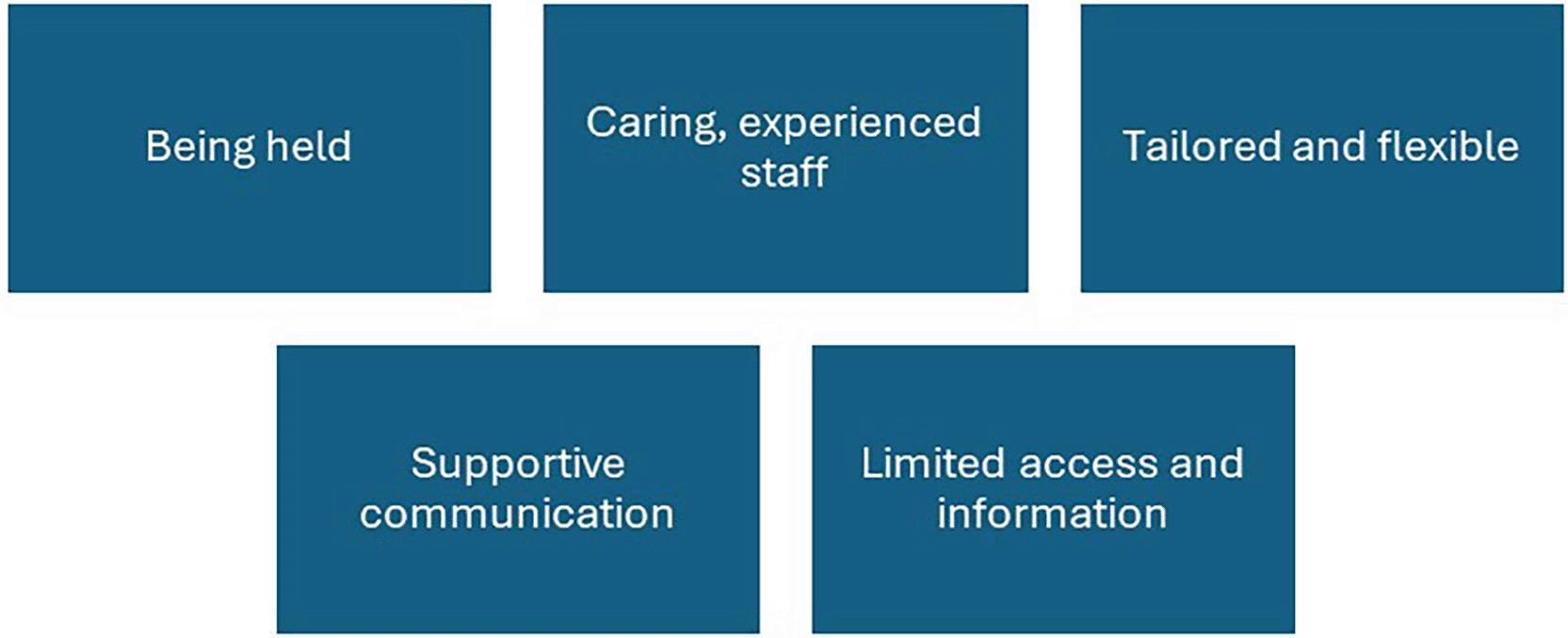
Being held
Site 3 was felt by parents to be transformational: “[it] got us from crisis to being able to think level-headed and be … more relaxed about things… having that 24/7 on-call team really saved us” (P_090). It was considered to provide a safe space using an approach that resulted in CYP, parents and carers feeling like there was: “someone on your side and supporting you” (CYP_064). Value was also seen in how the service wrapped around the entire family, and co-ordinated the network around the CYP: “I just feel like I’m held … they look at us and they wrap us in what we need … They found us in a very desperate place and they’ve held our hands and walked us through it… I don’t think … we would have been able to continue without them …” (P_090).
Caring, experienced staff
Staff delivering the service were highly valued and described as friendly and caring individuals who knew how to work with CYP: “most of them … have been doing it for a long, long time and they know what they’re doing and they know how to build relationships with children like me, because I’m really hard … I find it really hard to trust people” (CYP_089). These qualities also enabled parents and carers to feel more comfortable: “They’re fantastic. They get me to open up as well … I’m a strong, strong stubborn … they soften me …” (P_130).
Tailored and flexible
The service was noted to take a person-centred approach, which respected family values and addressed CYP needs, conveying the value of each individual: “the flexibility … they tailor a service … to our family needs rather than it being like, this is what we offer, if you fit in, you fit in, if you don’t, you don’t. It’s very tailored to what we need” (P_090). This individual approach also allowed CYP to move at their own pace and to build trust: “what [parent] says in their sessions is completely confidential to [them]… Same as with what I say in my sessions … it’s my business unless it’s concerning…” (CYP_089).
Supportive communication
Strong communication within the organisation meant that CYP, parents and carers were known in detail across the team. Advocacy support on behalf of families during meetings with other professionals was praised: “… when you’re having problems and … you’re arguing with people, and the people that are supposed to be the people that you go to weren’t there [for you], then you had [Site 3] as that support” (CYP_064).
Limited access and information
Access to the service could be difficult as it required social worker referral and a panel decision on eligibility, meaning that first referrals were not always successful. Waiting times to access the service were also noted by some parents and carers though the level of service eventually provided was considered worth the wait: “The only thing I would say that’s a barrier is the waiting time …” (P_130). Parents/carers often mentioned they would have liked more information about the service before they first accessed it and felt the service was not generally well-known, for example, amongst school staff.
Professionals’ themes
Figure 6 provides a summary of the themes developed from the professionals’ data.

Staff support and development
A shared understanding and commitment to the overarching aim of the service, “to stop young people who… show some challenging behaviours and mental health difficulties from being in residential care” (PROF_027) was articulated by staff. Staff had access to “24/7 support” (PROF_030) while delivering “a complete wraparound…” service that was available 24 hours daily (PROF_030). Team training, reflective practice and supervision were integral to the team’s development and ensured that staff had a shared understanding of managing crisis and adopted consistent approaches to service delivery.
Communication
Team communication was pivotal to the site’s success in understanding “the context and formulation and … the strategies to use to fit all the pieces within our services…” (PROF_018). Likewise, communication with the network around the CYP was important: “… a key part of what we … do is hold monthly network meetings, key people around the young person are always invited to that … caregivers … family…” (PROF_014).
Flexibility
The flexibility and adaptability of the service was seen as a particular attribute and enabled it to “fill that gap which is so needed” (PROF_018). Likewise, there was flexibility within teams meaning that if a staff member’s “relationship isn’t as strong with the young person, then … we could step in to…build that relationship” (PROF_026).
Self-sustaining
Outcome measures, including data from families and professionals, were captured to demonstrate the service’s impact on the CYP and the cost savings made. The service had demonstrated that it is “self-sustaining” (PROF_030) through paying for itself in placement savings and had evolved from one team to six, across five local authorities, because of its demonstratable value. However, there was some uncertainty concerning wider, national-level, policy changes.
Site 4 was an NHS and police partnership providing an emergency mobile response service, in an urban and semi-rural locality, to CYP aged 16–25 (and adults). Its aim was to reduce the use of Mental Health Act (1983) section 136 detentions and to divert service users away from A&E (Accident and Emergency Department).
CYP and parents’/carers’ themes
Figure 7 provides a summary of the themes developed from the CYP and parents’/carers’ data.
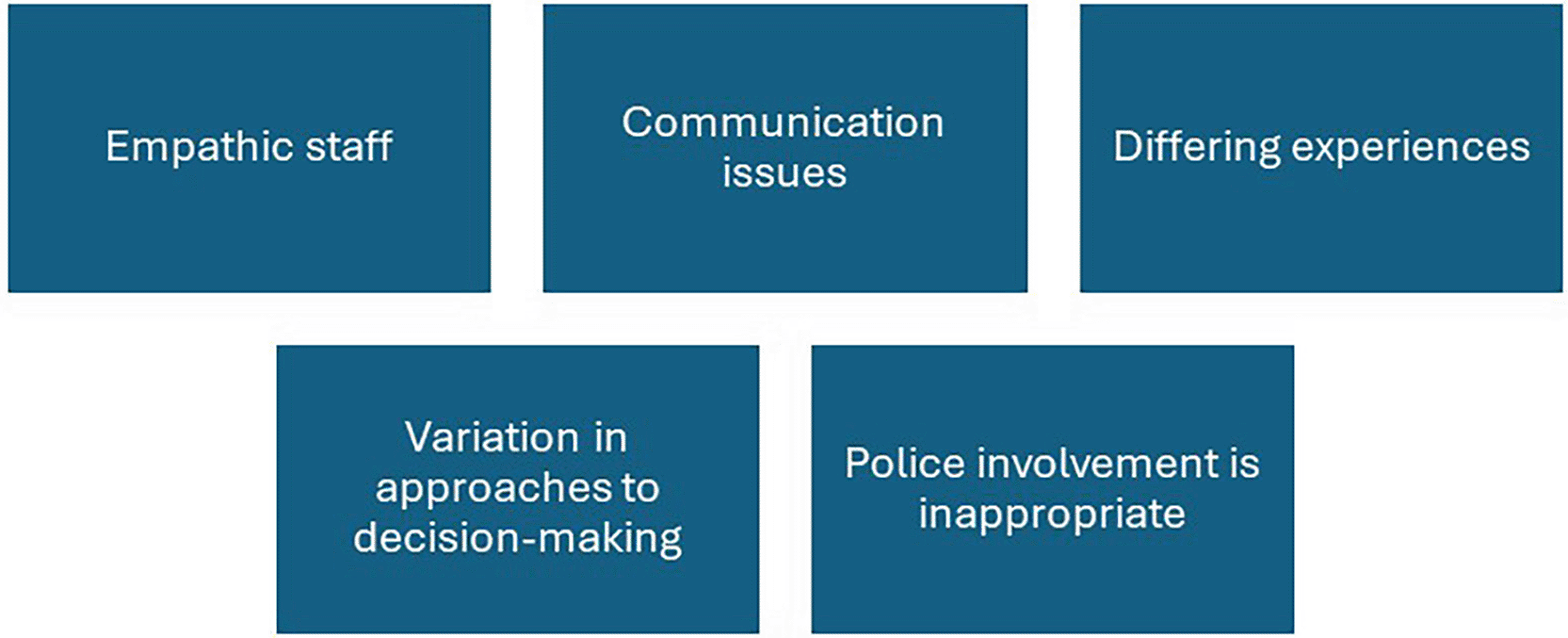
Empathic staff
Most CYP appraised the joint support received from health and police staff positively, describing the response as non-judgemental, empathic and calming: “they’ve always listened to me without judgement … [mental health practitioner] really calmed me down, [Police] Officer with her was lovely too” (CYP_114). The presence of Mental Health practitioners was highly valued as “they understand more, used to people being in crisis unlike the Police” (CYP_075).
Communication issues
There were mixed views about communication and information sharing with one CYP noting: “they explained everything … and they were very open and honest … but I don’t like the fact they share everything with your GP” (CYP_114). One parent was frustrated that practitioners did not have access to their child’s CAMHS notes which would have provided helpful context and avoided the need for repeated information sharing. The same parent also felt there had been a failure to communicate the nature of the mobile response and a lack of information: “we resorted to 999 in desperation … we never really knew about the possibility of a mental health professional being present … I don’t recall being told one was coming” (P_123).
Differing experiences
One CYP described the process of being listened to by the mobile response team very positively: “they made me feel listened to and respected … validated how I was feeling and told me it was ok to feel this way” (CYP_114). They added that the service felt personalised. However, another CYP did not feel the service had been tailored to their needs as they did not have a choice in whether to engage with the mobile responders: “… when I was in the state I was in … least thing I needed at that point … I’m forced to talk because I’ve got four police and … my mum and dad all sat in the room just staring at me … well, kind of got to speak now” (CYP_124). One parent felt the response was not helpful because it assumed this type of crisis response would suit all situations, but it had felt counterproductive: “they come into the house, and you were uncomfortable with some of the things that were happening, and you were struggling … because you’re thinking you… I’ve brought you in because you’re supposed to help, yet this is making it worse” (P_123).
Variation in approaches to decision-making
There were mixed views about the extent to which CYP felt involved in decision-making. One CYP felt fully involved in the decision-making process about whether or not a supported hospital visit was needed whilst another felt excluded from decisions about intervention. Another CYP, who was subsequently admitted to hospital just a few weeks later, felt the mobile response had been a barrier to receiving support in A&E: “I don’t know if it was helpful because at that point I thought I needed to be in hospital and then the mental health practitioner was like, we’re not going to take you to A&E, we’re just going to leave you here, basically leave me at home … more could have been done at the time because I was in quite a lot of distress” (CYP_075).
Police involvement is inappropriate
All but one of the CYP felt that police involvement in responding to mental health crisis was problematic, with their presence perceived as anxiety inducing, particularly as the response was perceived to be police-led: “I think the police are just distressing … they’re all in … the gear … it kind of feels intimidating … it puts me on edge … you do hear stories of people getting arrested, or sectioned, or treated really bad because of their mental health and … you think is that going to happen to me … they might not be the best people to deal with mental health … they’re not just entirely…dedicated to mental health”(CYP_075). The presence of police officers in the home was also described by one CYP and a parent as an invasion of privacy and potentially stigmatising.
Professionals’ themes
Figure 8 provides a summary of the themes developed from the professionals’ data.
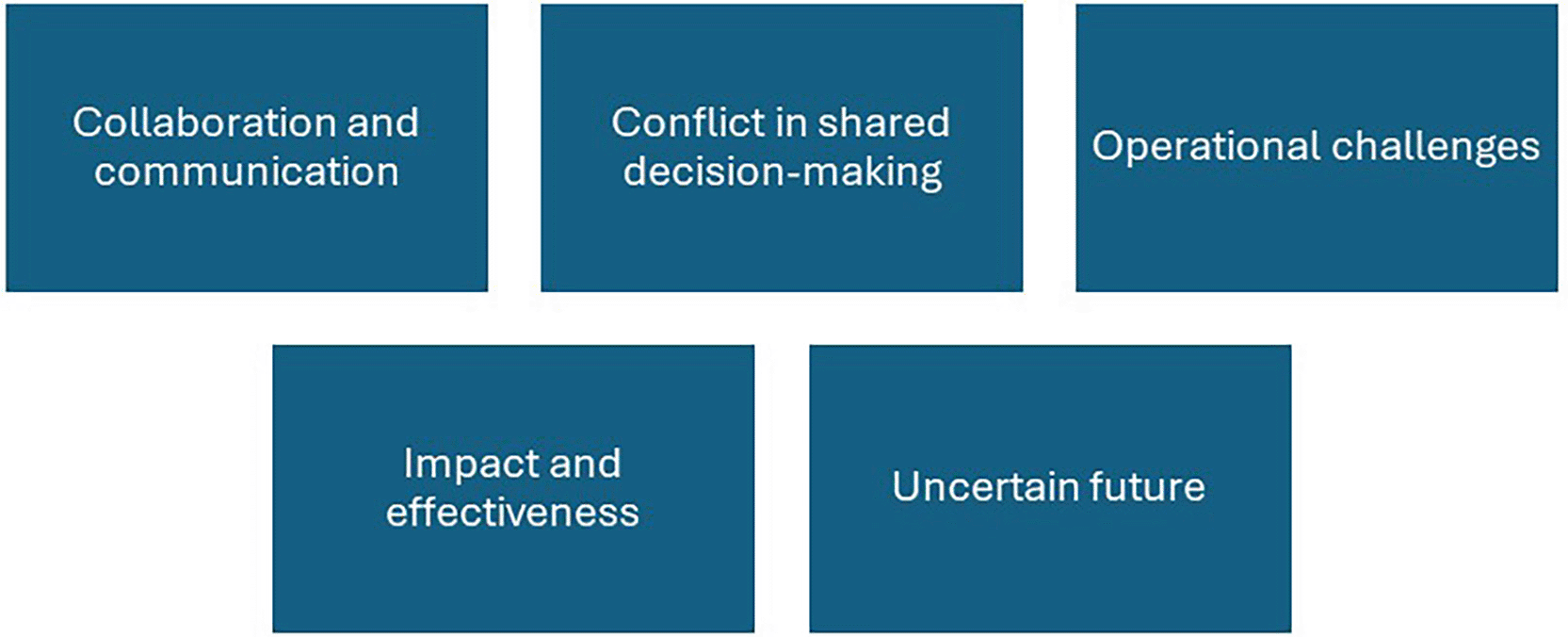
Collaboration and communication
Partnership working was felt to have led to more informed decision-making and better support for people in crisis, with safety promoted by police officers and de-escalation by mental health practitioners: “… it was true collaboration, because … both of the agencies owned it…” (PROF_025). Reciprocal learning had been aided, with both police and health staff talking about how this had impacted positively on their roles and how police officers had improved their understanding of mental health services. A health professional said: “… one of the main impacts has been that the officers have learned more about mental health … how it presents … how mental health services work, and even about how assessments are done” (PROF_025). However, some suggested a training need for police existed: “… to make sure that they make appropriate decisions about whether somebody needs mental health support and where they get that from” (PROF_024).
Conflict in shared decision-making
Although examples were reported of enhanced decision-making, some health staff reported frustration and a lack of shared decision-making, underpinned by organisational differences in understanding mental health incidents, resulting in inappropriate call outs. Conflict in shared decision-making was also cited in relation to vulnerable CYP due to organisational differences concerning safeguarding. A health worker said: “It was very challenging, in my view, to work with [Police Service], bridging those relationships, upholding the integrity of the service, making sure it wasn’t misused in a live situation … [Police Service] was frequently deploying the car to incorrect jobs that didn’t meet the inclusion criteria” (PROF_035).
Operational challenges
Funding and resource allocation were significant challenges, with the joint service operating on short-term, non-recurrent funding: “… we don’t have any permanent funding for the car, so the car is run using temporary staff, so it’s on the goodwill of our existing staff…” (PROF_038). Another spoke of how, “our vacancy rate is really high. And we do feel that we take from … CAMHS … we’ve taken off those teams…” (PROF_036). Variations in service delivery were described across the different districts due to differences in staffing, with participants expressing a desire for consistency: “… it started out really strong everywhere, and then, it’s kind of gone off at a tangent on some of the districts. They’re not quite doing the original SOP [standard operating procedure]” (PROF_086). Other operational challenges included being unable to ‘blue light’ to responses due to carrying civilians (mental health practitioners) or due to the training level of the police officer, thus reducing response times in emergencies. Police staffing constraints also resulted in the car being ‘stood down’ for some shifts. In these circumstances the mental health practitioner role became a desk job, undertaking background checks and phone calls rather than face-to-face interactions which raised concerns about effectiveness.
A lack of dedicated training for mobile response work was an additional challenge for mental health service staff, although they had opportunities to shadow more experienced colleagues. Some also struggled with working across ‘all-ages’, with some adult practitioners being reluctant to do CAMHS work and CAMHS workers feeling unprepared for adult services.
Impact and effectiveness
Outcome data demonstrated impact, particularly in reducing section 136 detentions, police time and resources, and avoidance of unnecessary hospital visits: “… we’ve reduced our use of [section] 136 for children and young people by over 50% between 2022 and 2023” (PROF_025). Staff also considered the service to have improved crisis management for service users who benefit from being seen quickly in their own environment. The presence of health staff with police officers was seen as de-escalating, and ongoing support was able to be facilitated: “we get a different reaction from people when it’s nurse-led intervention than when it’s just the cops turning up…” (PROF_025). However, feedback suggested limited success in adapting the adult mobile response service for CYP under 16 years, due to CAMHS staffing issues and limited service take-up.
Uncertain future
The service’s sustainability was uncertain due to funding challenges and police and Trust policy changes affecting planning, investment and service development. The announcement, during data collection, of the implementation of Right Care, Right Person, an operational model which changes the way emergency services will respond to calls about mental health (Home Office & Department of Health and Social Care, 2024), increased this uncertainty. One mental health worker said: “… I don’t know what the future of the car is and the funding and stuff … it’s stopping us from doing a lot of good work…there’s no point in investing in this until we know what we’re doing permanently…” (PROF_038). Staff also noted that any service extensions would need to consider existing recruitment challenges, particularly in CAMHS.
Site 5 was a community and hospital-based rapid response in an urban and rural locality comprising an NHS-led pathway incorporating teams from CAMHS Crisis, rapid response, hospital staff and third sector partners. The pathway aimed to provide crisis assessments for CYP aged 5–18 years, timely follow-up appointments and signposting or referrals to onwards services if necessary.
CYP and parents’/carers’ themes
Figure 9 provides a summary of the themes developed from the CYP and parents’/carers’ data. As site 5 was a crisis pathway rather than a specific service, reflections often captured multiple service access and experiences.

Lack of resources
Rapid Response practitioners were described as “great” and “really supportive” but they had to step in when CAMHS Crisis staff were required because “there was no one available” and telephone follow-up was described as vague, leaving the parent uncertain of what to do next (P_109).
Immediate support in a crisis was described as not always readily available. One parent described how, at a time of crisis, when their child had not eaten for several days, the parent had tried to call CAMHS Crisis and Rapid Response but “no one was answering, no one was ringing me back, so I ended up taking [child] to A&E” (P_085). Parents described needing to reach crisis point repeatedly to access care and having to “fight” for help: “… you have to wait until everything’s fallen apart before you get the help … .everything’s a battle, it’s a fight, fight, fight, fight, fight” (P_085).
Access to support beyond the crisis period was also problematic. CYP described waiting times for therapy and a lack of flexibility and choice in scheduling sessions and type of response as barriers. Parents described CYP being on long waiting lists for access to CAMHS teams, allocation of key workers taking months, and waiting for diagnoses and treatment for years: “I’m probably going to say two and a half years now from [child] going on waiting list to getting the diagnosis. And then they said to me [child] could be on the waiting list for a year now to be seen for medication. So, from start to finish… if that happens, that’s three and a half years” (P_077). One parent reported that they and their child had felt understood by the CAMHS crisis practitioner and the child wanted to continue seeing them, but support stopped after two sessions because the child was deemed to be no longer actively in crisis (P_137, interview notes, recording failure).
Communication issues
CYP described needing to follow-up referrals themselves which they found difficult: “I was quite nervous, and then I wasn’t hearing back… there was a couple of weeks I was waiting for a response, and I wasn’t really getting one. So I had to phone them up to find out more …” (CYP_065). CYP also felt they did not have enough information about the service or the process.
Similarly, parents reflected on needing to continually chase up phone calls, appointments and key worker allocation: “… once [child] lost their key worker [due to staff leaving], the communication was non-existent. It was always me having to ring up and say…is [child] still on the books? I haven’t heard anything … nobody ever got back to me. It was a constant, every few months, me ringing up and saying… Can you make sure that [child] has not been taken off your books?…” (P_077). Parents also needed to liaise between various agencies, for example one parent highlighted how they had to request an up to date care plan from CAMHS to share with the school, to ensure protocols were adjusted to reflect their child’s needs.
Skilled therapists
Some CYP described positive experiences of CAMHS therapists: “… he paid attention to me … he really paid attention, and he was understanding. He wasn’t judgemental… he was just … it’s okay to feel this way… He made me relaxed … Made my mum comfortable too… I had to say things, and I was really comfortable saying and telling him, and addressing all those things … it was really, really helpful” (CYP_119). Another CYP stated that their experience of support and therapy had allowed them to build on their skills and take a new positive perspective.
Professionals’ themes
Figure 10 provides a summary of the themes developed from the professionals’ data.

Limited resources
Funding priorities were problematic: “… we didn’t get all of the budget that we’d asked for, so we just ended up with a 9 to 5 service” (PROF_040). Concurrently, a reduction in social care provision had increased demand but a business continuity plan had not moved resources to assessment teams. A lack of capacity in CAMHS services, with waiting lists of up to 30 months, further stymied the work of assessment and support teams who lacked onward referral resources: “… they don’t have much resource … If it is for CAMHS crisis … they won’t get followed up on the same or second day.” (PROF_041). This, in turn, exacerbated the stress experienced by staff: “… that delay makes my staff uneasy, knowing that it’s a high-risk patient we are sending home” (PROF_041). Third sector partners were described as good at longer-term work but as not being able to hold risk.
A lack of training was noted for assessment and support teams (telephone and hospital), with an increase in admissions to hospitals/A&E because of a lack of knowledge of CYP mental health coupled with concerns over risk and safe discharge. Hospital assessment team staff reported feeling stressed and lacking confidence with conducting CYP mental health assessments. A lack of experienced staff in the crisis team was seen as a barrier to offering services to CYP.
Lack of clarity
Participants reported a lack of consistency in understanding the overall pathway: “… no-one really knows what the pathway is” (PROF_046). They also spoke of a lack of a clear remit or definition for the CAMHS crisis team, suggesting a lack of coherence, coupled with some lack of clarity in terms of CAMHS crisis team practitioner roles and tasks: “I’ve had to … really define our role in terms of, what do you want from the crisis team?” (PROF_039).
Participants spoke of a high number of inappropriate referrals to the assessment and support telephone line, of referral pathways being inconsistent and of some confusion concerning the remit of third sector organisations: “there’s no formal criteria… we’ll get some children who’ve taken an overdose and self-harmed and we…we definitely pick them up. But then you’ve got children who’ve just self-harmed, and when we’ve discussed them and they [third sector] go, oh no, that’s not for you, but then another child will do the same, and we pick them up” (PROF_054).
Inter/intra agency working
Information-sharing was seen as problematic, with this potentially being related to high levels of staff turnover in the CAMHS system overall. However, activities to involve all partners, such as multidisciplinary events and service managers acting as “critical friends” for colleagues in the pathway were described. The process of receiving referrals from hospital to the CAMHS crisis team appeared established, with follow-ups by the CAMHS crisis team hitting its target, although some felt the service was providing therapeutic interventions rather than risk assessing and discharging. A lack of follow-up support was attributed to an increase in referrals for reassessments in hospitals: “what we’re seeing with the CAMHS is that … we see a patient today … because CAMHS can’t do the follow up in time, they will come back into ED [Emergency Department]…Because they deteriorate, they’ll come again to ED” (PROF_041). Relationships between the CAMHS crisis team and voluntary, community, and social enterprise (VCSE) and third sector partners were not well-established, although a local draft protocol outlining responsibilities offered a welcome advancement.
Sustainment
Participants reported plans to close some inpatient beds and shorten hospital admissions for CYP, with anticipated increases in demand for third sector, crisis and community provision. Divergent views were expressed on the future of the assessment function within the overall pathway, with a lack of clarity over hospital-based assessments and uncertainty for staff. Commissioners were concerned over a lack of funding, particularly for CYP: “… children never seem to get the bulk of resource … mental health is already stretched, and then the children’s element of that gets even less” (Group interview: PROF_083, PROF_084). Planned changes to CYP crisis team operating hours, moving towards extended hours over seven days each week, were seen as contingent on staffing, finances and partnership working with services for adults. For some, extended hours of this type were seen as difficult to sustain: “… I’ll be leaving … because they’re going to change it to 8 to 8 … it’s just not me … I need my family time, and I need to have that daily structure” (PROF_053).
Site 6 was a third sector service delivering remote provision that aimed to offer information, advocacy and support for CYP up to 25 years. The service was not explicitly a mental health service but provided open access support during mental health crisis.
CYP themes
Figure 11 provides a summary of the themes developed from the CYP data for Site 6.

Accessibility, modality and continuity
Site 6 was considered “quite easy” to access and CYP liked that it offered a range of modalities, including texting, which increased accessibility during periods of crisis: “it wouldn’t be safe to travel [when in crisis], I wouldn’t feel safe to go and get a train” (CYP_141). The ability to text rather than call was also discussed in terms of not feeling judged: “I felt so much better knowing I could text and not speak, and I wasn’t going to be judged …” (CYP_127).
CYP valued being able to make contact with the service repeatedly. This enabled a sense of continuity: “I’d say they meet my needs more than anybody … there’s a lot of services that I feel are pushing me away, and [Site 6] don’t.” (CYP_112). CYP also welcomed being able to access the service up to 25 years of age as some other remote services had younger age limits.
However, CYP commented that they would have welcomed extended opening hours (e.g. 24 hours) since chats could be cut short when approaching midnight and crisis can occur outside of current operating hours: “Maybe if they were 24 hours, that would be a bit better, because sometimes … When I go into crisis at 2:00 am” (CYP_141). Whilst many highlighted the accessibility of remote provision, some would have welcomed in-person provision alongside this.
Anonymity and familiarity
CYP valued the quasi-anonymous nature of the service and the option to access services remotely: “I think it’s better, because they don’t know what I look like, they don’t know who I am” (CYP_141). At the same time, CYP discussed that staff were recognisable and valued not needing to repeat their story: “Most of the time [I speak to] different people, but they do say their name… if I’m talking to the same person, I don’t have to like go back on what I said” (CYP_142). Whilst some CYP would have preferred to have a single point of contact, one young person commented that: “It’s quite a small team, so you generally can get through to the same person quite easily” (CYP_112).
Importance of immediate support
CYP valued being able to access support quickly and easily, describing Site 6 as “always there for me, someone in that moment” (CYP_142). Support during mental health crisis, including contacting emergency services on their behalf, was valued as it helped CYP to feel safe and supported: “… I was in a very bad place and they got me the help I needed by contacting emergency services” (CYP_127). Communication was clear which enabled some CYP to understand any limits to confidentiality and safeguarding protocols such that they felt “in the loop the whole time” (CYP_141). However, one young person did not feel that Site 6 could meet their needs due to the risk of the police being contacted.
Staff qualities
CYP described staff as non-judgemental, caring and respectful which enabled CYP to feel listened to and supported: “They speak quite nicely to you and they treat you with respect” (CYP_141). CYP underscored the importance of feeling listened to: “I felt like I was listened to and respected in a polite manner and wasn’t judged and felt like I could open up about anything” (CYP_127). Another young person felt that in their first contact with Site 6 they were taken seriously which was important to them: “I felt like I was listened to by somebody, and that they took my concerns seriously” (CYP_112).
Professionals’ themes
Figure 12 provides a summary of the themes developed from the professionals’ data.
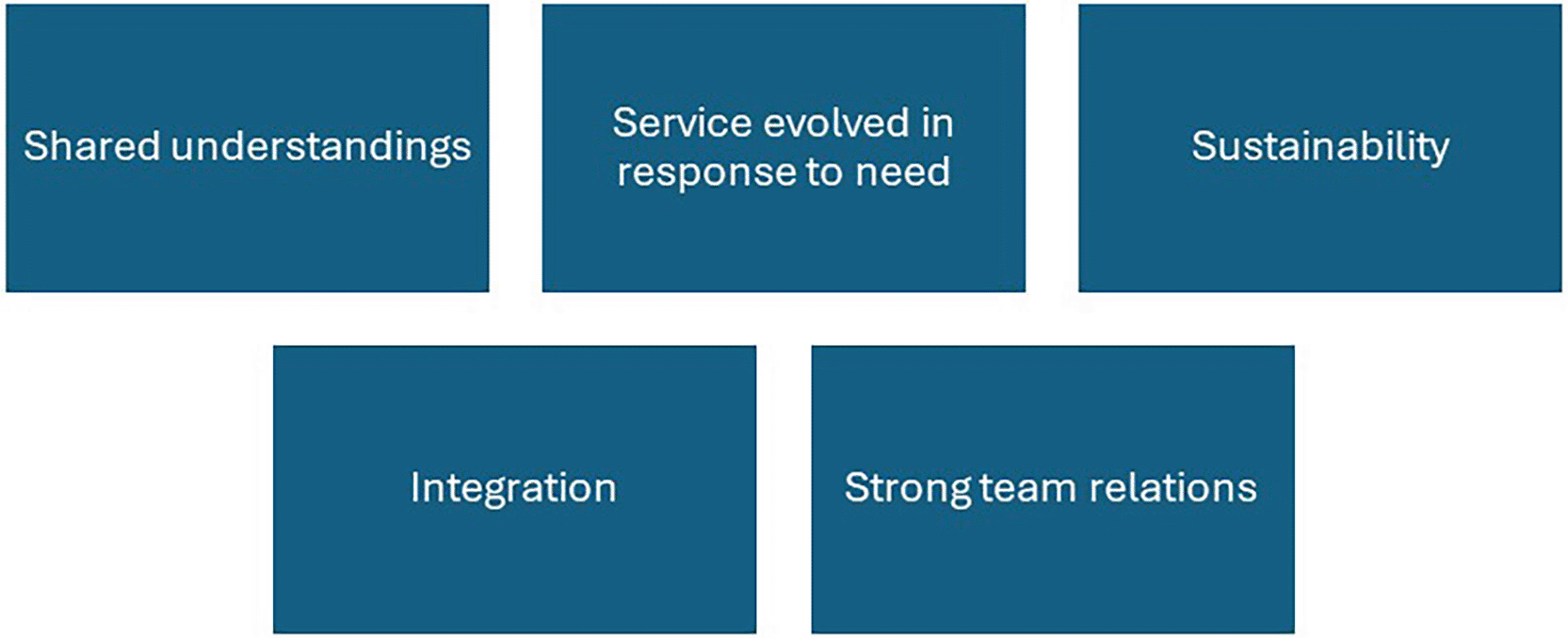
Shared understandings
Across the team there was a shared understanding of the aims and purpose of the service, namely to provide information, advice and advocacy to CYP up to age of 25. Reflecting their ethos as a rights-based organisation, a shared emphasis was placed on listening, being reactive to individuals and changing the approach accordingly: “… the young person has the range of options that are available to them, and… they are supported to be able to make an informed decision about what they want to be able to do.” (PROF_067).
Service evolved in response to need
The mental health offer of the service increasingly developed, almost unintentionally, in response to need: “… we are getting them much more frequently now… we are getting young people that are self-harming, suicidal … actually attempting suicide whilst… whilst on contact with us…” (PROF_071). Practitioners and service managers described the service as doing crisis work as opposed to being a crisis service: “… we’re not a crisis service” (PROF_071).
Sustainability
Government funding for the service was contingent on the provision of metrics and qualitative data, including feedback collated from service users. Opportunities for resources were limited due to the service’s wide geographical reach, meaning that they could not access regional funding: “money is often tied up … around … networks and strategic groupings that are based within local authorities or within regions…” (PROF_088). Due to reductions in funding, operating hours had been cut from 24-hour daily provision to 16 hours (8 am to midnight). Managers felt that they could make further contributions to CYP’s mental health with additional resources but their aspirations were stymied by a lack of funding. However, they felt that changes in working practices, such as implementation of practice exchanges and motivational interviewing techniques, had enabled them to enhance the quality of provision.
Integration
Managers discussed not feeling integrated into local systems, not being involved in decision making and a lack of visibility to other services due to a “lack of funding” (PROF_071) for marketing and networking: “They don’t always know about us” (PROF_070). Relationships with schools, police and social services departments were variable and the limited information that the service gathered concerning CYP’s details and contact numbers sometimes created frustrations for other services.
Strong team relations
Although the team worked remotely, they trusted each other and there were good relations, underpinned by open communication which had been enhanced through restorative justice training to enable colleagues to have “… difficult conversations about why we took a particular decision or why we didn’t listen to a colleague who felt differently” (PROF_087). Training and mentoring was widely implemented and perceived as “really useful” (PROF_073) in developing a psychologically safe team and workplace: “It’s a very… psychologically safe workplace, where we’re open and honest, and we manage expectations.” (PROF_066). Weekly operational meetings, daily online catchups to discuss immediate contacts and group supervision supported this. Additionally, practice exchange meetings took place quarterly. These involved learning from one another, for example through sharing transcripts of calls “… to share best practice amongst ourselves” (PROF_067).
Site 7 was a third sector 24/7 safe haven for CYP aged 12–18 years which took referrals from local CAMHS teams. The service aimed to prevent hospital admissions and to reduce pressures on CAMHS services. Provision included overnight stays of up to 48 hours. A variety of approaches were used to involve CYP and parents/carers as participants in data collection, but the service was new and none chose to take part in site 7.
Professionals’ themes
Figure 13 provides a summary of the themes developed from the professionals’ data.

Lack of clarity
The CAMHS crisis team determined the operational definition of ‘crisis’ because they referred CYP who they defined as being in crisis into the service: “CAMHS will decide if it is a mental health crisis or not…” (PROF_108). However, the Site 7 team had different perceptions of crisis, as a CAMHS crisis practitioner reflected: “… we’ve got different thresholds of what we see as crisis and what they [Site 7 staff] see as crisis … in the beginning, they were quite anxious…if we said, this person’s taken a big overdose, or there’s risk of harm to others, they were a bit like, oh my God, I can’t see [them]… they wouldn’t let the patient in without us being there” (PROF_051).
Confusion regarding role delineation, particularly concerning the support worker role, was expressed. The staff allocation system for referrals and how support workers were assigned cases was not completely clear or consistent across staff and there was variability in the allocation of therapeutic sessions to CYP.
Staff described Site 7 having developed through “trial and error” (PROF_125) and tweaked along the way in consultation with partners (e.g. the local commissioning team, and CAMHS crisis colleagues). The remit of the service appeared to have deviated from its original aim: “… [it] was supposed to be low-level support, we weren’t even supposed to be dealing with mental health crisis. But … we’re dealing with suicidal ideations, risk of self-harm … querying schizophrenia …” (PROF_108) and staff “… struggle with what they need to do, and what the outcomes are. They don’t really understand what’s the point in this project anymore” (PROF_108). However, other staff reported: “Everyone knows what they’re doing really. We’ve had a lot of training” (PROF_149).
A further inconsistency concerned the ‘fit’ of the service with the particular needs of CYP in crisis: “… [it] is a lot more accessible because we haven’t got a waiting list, so we can just get people off the crisis team’s caseload, and accessing a service, which is a really good service, but it’s not the service that we would have hoped for as a crisis team” (PROF_052).
Collaboration and communication
It was felt that a positive relationship with CAMHS crisis had smoothed implementation but CAMHS crisis staff attributed many of the issues around lack of clarity, as well as concerns regarding pathways, to a lack of invited input into the design of Site 7: “… managers haven’t asked the questions … [we] have had to set things up for ourselves, it just wasn’t thought of, because our input wasn’t there … we would have wanted to know about the pathways … it could be a really good service, but … there’s so much to work out still … we’ve had to change our expectations around what would be provided” (PROF_052).
However, a strong sense of collaborative working between Site 7 and the CAMHS crisis team was described. CAMHS crisis practitioners sometimes worked in site 7 which was felt to help relationships and demonstrate to the CYP how services were connected. Support from CAMHS crisis, particularly in relation to risk, was appreciated by Site 7 staff: “If we have any concerns or queries we just pick up the phone, we can speak to CAMHS … if it’s the middle of the night and we need to speak to somebody, we can ring the out of hours line…” (PROF_125).
Communication practices were established, meaning that support was not duplicated and there were few inappropriate referrals. The site opened referral pathways slowly to ensure no waiting list and to not overwhelm the service so that referrals could be responded to promptly: “… we’re able to see that child very quick, make contact very quick and provide those coping mechanisms and those signposting resources in the time where that child is most vulnerable” (PROF_148).
Sustainability
Site 7 was a pilot service, funded annually by central government. Data and feedback systems were in place to evidence need. Monitoring had identified underutilisation of the overnight offer: “… there’s no need for it” (PROF_051). Feedback also informed service development, for example, implementation of group evening activities for CYP: “We make sure that all of our feedback is … taken on board” (PROF_147).
Practitioners talked of wanting to do more than the stipulated three sessions with CYP to enhance the impact of the service but acknowledged that this could require additional resources: “I understand the reason why it’s three sessions … it means we’ve got kind of a quick turnaround and… there’s less waiting time for new referrals coming in… But it’s difficult in practice to get to the nitty-gritty and do the… work in three sessions” (PROF_115).
Site 7 staff had a range of professional backgrounds and skills, with some having limited experience in mental health. This was felt to have led to issues with staff confidence, particularly anxiety around risk, when the service first opened: “There is very little confidence in staff between each other… because of the diverse scale in regard to skill level or competencies… or experience” (PROF_108). Staff retention was considered to pose a threat to the sustainability of the service: “I think it’s going to fizzle out in about two to three years … staff are leaving now because… they have skills that are not being utilised” (PROF_108) but recruitment was reported to be rapid.
There were mixed views as to whether Site 7 was embedded locally, with limited referral pathways being cited as a potential limitation in this regard.
Site 8 was an NHS residential crisis house providing short-term, intensive support for CYP aged 16–25 years with a diagnosis of learning disability, with or without autism, who were experiencing crisis. The aim was hospital admission avoidance.
CYP and parents’/carers’ themes
Figure 14 provides a summary of the themes developed from the CYP and parent/carers’ data for Site 8.

Effectiveness
Parents and CYP were very positive about Site 8. Admission of CYP often came at a time of intense or protracted crisis for the family, thus providing much needed respite: “to give us that respite now for 12 weeks as well as assess [child]…has been an absolute godsend.” (P_126). Significant outcomes for CYP were also described: “He’s 100% better now than he’s ever been in his life” (P_093); “He’s a lot calmer … I’m delighted that he’s been here, for his sake and for my sake as well …” (P_110).
Empowering CYP
In addition to improvements in CYP’s mental health, parents/carers described how CYP had been supported to develop routines, improve personal care and learn new skills: “He goes out with them trampolining and biking, and he’s making cakes with them and … they’re having him sort of self-manage himself as well … he puts his own dirty washing in the washing machine, puts his own dirty plates away” (P_126). Some CYP were also able to develop more independence via supported visits out in the local community. Site 8’s psychology team helped families to make sense of and understand CYP’s needs better by explaining their diagnoses. Parents also described learning new skills and ways of supporting CYP through watching support staff at visits and learning to take a step back: “I’m learning to keep back … try to step back” (P_105).
Importance of assessment and multidisciplinary approach
Comprehensive and holistic assessment led to new or revised diagnosis and/or medication reviews for some CYP; this was transformatory in informing support, care plans and education. Parents valued having access to clinical and non-clinical professionals. At the time of data collection, CYP did not have access to a speech and language therapist due to a staff vacancy, nor any education provision, which one parent felt was needed: “unfortunately, there’s two things that’s letting [Site 08] down. One of them is speech and language … and… no education” (P_126).
Staff qualities
Staff were described as welcoming, professional, nice, reassuring and helpful. One CYP described how his confidence had grown via supported trips out with staff and how Site 8 staff built trust with them through reassurance: “They were very nice. Didn’t trust them at first, because of my mental health issues, but they kept confirming they weren’t talking about me behind my back” (CYP_94). Families were reassured by the level of care provided: “Everything we need is there for them…getting the help with the mental health, all the medication’s dealt with, they have a nurse there … they’re getting taken care of … if they need to talk, there’s somebody there for them … they can also keep in touch with their family, which keeps them feeling happy and confident there” (P_093).
Professionals’ themes
Figure 15 provides a summary of the themes developed from the professionals’ data.

Planned yet evolving
Site 8 was borne out of research on the effectiveness of short-term intensive support in reducing risk and hospital admission. It was a ‘tertiary preventative model’, funded through merging mental health and learning disability transformation monies. There was a common understanding of the service’s aim and purpose amongst staff, namely: assessment and formulation to prevent hospital admission. However, the remit, learning disability and mental health, appeared to be unclear for some support staff. A few reported being unaware they would be working with CYP who had mental health issues: “… the boundaries are a bit blurred… between… learning disability support and mental health support …” (PROF_103). Management acknowledged this as an issue and intended to provide training although it was identified that the 24-hour nature of the service posed logistical difficulties with training.
Although the innovation was planned, the service was continually evolving. The standard operating procedure was rewritten at twelve months, stakeholder meetings to discuss suitability of referrals had been recently implemented and remodelling of the service to include clinical staff spending more time on the unit was planned. Evolvement was based on experience although feedback practices were not fully established or consistent: “… we don’t do enough of the feedback…” (PROF_082). Reflective practice was embedded in daily practice, weekly sessions and reflecting and reviewing in meetings, incident reporting and in staff reviews: “… whenever I’m leading a shift, some people don’t have as much experience, but that’s not a bad thing because [it makes] you question, ‘Well, why do we do it like this?’ … we’re all open to watching and shadowing and learning and trying new things out” (PROF_104). It was felt that this could serve as a means of communicating with more senior colleagues but staff felt that they were not always responded and listened to: “… do I have an opportunity for feedback? Yes. Do I think it’s responded to and listened to? No” (PROF_76).
Embeddedness
Participants reported needing to educate external partners about the service because of its novelty: “… we keep doing it … because we were getting loads of inappropriate referrals …” (PROF_100). Collaborative working was a priority, with staff working closely with families and carers, involving them in assessment processes and meetings. Support workers had day-to-day contact with external professionals, including social workers and GPs, with differing levels of success across localities. Formulation meetings had expanded to include the multidisciplinary team, comprising psychology, occupational therapy, speech and language therapy, senior support staff, the family and client: “We also have formulation sessions where we get external … everyone round the table and think about, okay … this is what our assessment’s telling us … how do we translate that into intervention…it’s very much a collaborative process … because … the hope is for people to go back into the community, go back to their typical place of residence…” (PROF_097). However, the county wide nature of the service required liaison with several Integrated Care Boards and Trusts and made it difficult for staff to know who to contact: “It’s very confusing … difficult to know who to contact sometimes” (PROF_062).
A lack of internal embeddedness was described in relation to clinical staff. The nature of the building and shift schedules were felt to create a divide between clinical and support staff, with some wanting clinical staff to be present on the unit more frequently including during night shifts: “… there needs to be more hands-on [from the clinical team]” (PROF_097) and “… they shouldn’t be upstairs … It’s that ivory tower, old fashioned. So, we’re breaking that barrier … it is like, you need to be on the shop floor …” (PROF_100). However, it was reported that communication and cohesion between teams was improving.
Sustainability
The commissioning team were concerned that future funding may be reduced because “we have real short-termism with the financial drivers” (PROF_128) with short term vision dominating funding decisions. It was argued that although Site 8 may appear an expensive resource, it saves money on hospital beds: “It’s a very, very expensive resource. But my argument would be … we save money from people going into hospital beds” (PROF_128) and “… when we think about the short term, medium term and long-term ambitions that were set out for the service … we are a very cheap service, we are … saving lots of funds … there needs to be an understanding … that we are trying to deliver something very intensive over a very short period of time, and in order to achieve that we need to be well resourced” (PROF_076).
Building on findings reported from our England and Wales-wide survey of crisis care provision for CYP (Bennett et al., 2025), the within-case examinations presented in this paper of eight organised responses reveal in detail the diversity of contemporary modes of provision and the challenges of implementing and sustaining services in fast-moving national policy contexts (NHS England, 2024; Welsh Government, 2025). They also show how these very different approaches to meeting need are experienced by CYP and their family members and carers, along with their views on what helps and what does not. Informed by May et al. (2022)‘s recent refinement of NPT, to support the cross-case comparison and contrast of findings a matrix-style (Miles et al., 2020) summary using a context, mechanism and outcome framework is presented below ( Table 6). This same framework is then drawn on to support the integration of what has been learned from this phase of the overall project within the wider implementation-focused evidence base already generated within the mental health field.
Drawing on the within-case analyses developed in this paper, and using the context, mechanism and outcome matrix presented in Table 6 above, findings are here located within the extant NPT-informed mental health implementation literature as a precursor to the drawing-out of implications for policy, services and practice.
Known from earlier studies into the development and sustainment of interventions for people living with mental health difficulties is the significance of the large-scale policy and administrative context. These include investigations into the implementation of physical health promotion initiatives in Danish community mental health services, where complex arrangements for provision at regional and municipal level shaped interorganisational relations (Burau et al., 2018; Carstensen et al., 2019), and examinations of the normalisation of school-based mental health provision in the US where features of the ‘outer context’ such as funding challenges bore down on local implementation (Carlock et al., 2023). In our study, each site’s planned, deliberative, approach to the implementation of crisis care for CYP revealed wider strategic intentions, but significant variation across case study sites was found in aims and goals. These were patterned by local environments and system features including policy frameworks and differing localised histories of provision. Differences were also found in local capacities to adapt, negotiate and reframe available resources. Past studies have shown how organisations often struggle to act with speed in the implementation of mental health initiatives, variously explained by the challenges of services being fragmented and having high levels of staff turnover (Brooks et al., 2015) and lacking resources (Hazell et al., 2017). in site 1, where a contextualising feature was that provision of a crisis response was through a third sector organisation, reframing of organisational logics was demonstrated through the rapid mobilisation of existing staff and resources in a pilot crisis service to fulfil the intention of providing an alternative to A&E. Staff were able to integrate this crisis provision, at pace, into their existing ways of working until they received allocated funding for the service (which led to the creation of crisis-specific roles at one hub), but some adjustments were necessary (e.g. increased staff flexibility with weekend working), which exemplified how staff were able to negotiate capacity. in site 2, an NHS-led crisis service with the strategic policy-oriented aim of avoiding hospital admission, the response served as an extension to an existing service set up to facilitate safe discharge home from CYP inpatient care. Here, a deliberately cautious and pragmatic approach to staffing revealed adaptive execution with the capacity to negotiate, drawing on longstanding partnerships. Distinctively, crisis provision in site 3 was through the modification of a well-established bespoke model led by a local authority, in which close team working supported adaptations and negotiations to meet CYP need.
The context for provision in Sites 4, 7 and 8 was distinct in that implementation of crisis care involved the establishment of entirely new services. Strategically informing the joint response car in site 4 was the goal of reducing detentions under section 136 of the Mental Health Act (which relates to the powers of police officers to take people appearing to be experiencing mental health difficulties in public places to designated places of safety) and to lowering demand on A&E services. Staffing challenges, of the type reported as implementation barriers in research into the provision of physical health care interventions for people with severe mental illnesses (Hassan et al., 2020), reflected the limited negotiating capacity and space to adapt existing services to meet need in a local environment in which the joint response car had the status of being a short-term pilot. Longitudinal follow-up of the shift to remote, technologically mediated, primary care consulting in the context of the CoVID-19 pandemic has shown how strong policy drivers can shape rapid implementation (Murphy et al., 2021), and in site 4 another type of policy (principally, the emergence of the Right Care, Right Person initiative (Home Office & Department of Health and Social Care, 2024)) was immediately precipitating local conversations on the longer-term prospects for joint working between police and mental health services. Site 7 shared Site 4’s aim of reducing A&E pressures, which created a context for the establishment of a new third sector-led safe haven. This crisis response service opened to referrals during the period in which data were being collected. Reframing of organisational logics was demonstrated through the redeployment of staff, and the capacity to adaptively execute implementation was revealed through the ability of local managers to draw on bank workers and staff engaged in other activities during quiet periods. in site 8, clear strategic intentions drove the implementation of the residential house for CYP with learning disabilities who were also experiencing mental health crisis, underpinned by relevant research and guided by an experienced commissioning team able to adaptively execute their goals through accessing funds for development. Repurposing of an existing building revealed the capacity to reframe local organisational logics, and negotiations revealed the space to involve representatives of multiple local systems of services dispersed throughout a wide geographical area.
In Site 5, in which crisis provision was one part of a larger pathway of services for CYP comprising community and hospital components, interviews with professionals indicated a need for a reframing of local logics in the context of inadequate resourcing having led to problems in providing the crisis component of care. A reallocation of the responsibility to undertake assessments evidenced adaptive execution in this site, but also brought consequences for practitioners in adult and all-age teams (hospital psychiatric liaison and rapid response) within the larger pathway who were required to undertake work with CYP which did not seamlessly integrate with other parts of their roles. A number of recent studies report on the implementation of digital and remote interventions in the context of mental health systems (Ball et al., 2025; Robson & Greenwood, 2025), and in this current project Site 6 was distinct in being a universal, remotely provided, service for which its original strategic intentions of providing a safe space for CYP 6 continued to shape what it offered. The geographical context for the service played a significant part in limiting adaptive execution, for example through challenging staff members’ capacity to build and maintain relationships with key local partners. In terms of reframing organisational logics, there was felt to be a need for increased endorsement from funders, additional resources and the team needing to be creative with managing a reduction in resources over time which shaped its ability to negotiate capacity.
‘Mechanisms’ as a domain have been widely studied in recent mental health implementation research, including in the fields of psychological interventions for people with dementia (Svedin et al., 2023; Svedin et al., 2025), guideline-informed care for people with psychosis (Nordin et al., 2024) and the co-production of care plans (Farr et al., 2019). ‘Coherence’, as an NPT mechanism, refers to the extent to which new ways of practising are held together by shared understandings and competencies (May & Finch, 2009) with recent mental health implementation studies revealing diversity in how interventions are understood by multiple groups of actors. In Rheinberger et al.’s (2023) evaluation of digital responses to suicidal distress experienced by CYP in hospital settings, for example, both CYP and staff recognised this type of support and understood its potential. In contrast, the implementation of recovery-oriented mental health care in US mental health units has been characterised by a lack of shared understanding over what this constitutes (Shue et al., 2023). In this current project, significant differences were found across sites regarding the coherence of the crisis care offer, and with respect to how individuals and groups worked alone and together through processes of cognitive participation, collective action and reflexive monitoring to participate in implementation. in site 1, staff in and out of the service were not universally clear on what was being offered in the crisis drop-in as an extension to existing provision, and although staff acted collectively to implement the new offer, training needs were identified to increase their confidence and capability to meet crisis demand. in site 2 disagreements were reported over eligibility to access the service, with external partners not always understanding what was being provided. In this site, co-location and a multidisciplinary approach characterised by good working relationships with the core CAMHS team served as examples of collective action in support of timely responses, where this NPT concept refers to the work people do together to realise interventions. Reflexive monitoring amongst the team was identified and good feedback from CYP and families/carers received, although gaps were acknowledged such as difficulties in establishing robust processes for securing CYP evaluations of the care received. in site 3, with its established bespoke model serving as the foundation for extended crisis provision, clarity surrounding the service including its shift towards round-the-clock interventions revealed high levels of coherence. Cognitive participation in this site was shown through the emphasis placed on clinical supervision, reflective practice and ongoing training. The active coordination of networks surrounding each CYP revealed clear collective action.
A variety of implementation mechanisms were found in sites 4, 7 and 8, with these being newer services created not as direct extensions to services already in existence. in site 4, there was evidence of intra-agency coherence building, and of staff collectively acting and cognitively participating in the work of introducing the response vehicle, but the wider funding and policy context (Home Office & Department of Health and Social Care, 2024) gave participants limited confidence that appraisals and monitoring of the service would inform its development. The third sector safe haven in site 7 lacked coherence-building initially because key referral partners felt excluded from planning the service and there was high staff turnover, but relationships improved over time. Cognitive participation and collective action appeared strong between Site 7 and the CAMHS crisis team, for example through established referral pathways, regular meetings and working together to provide care whilst each team had clear responsibilities. Reflexive monitoring was evidenced through collection of CYP feedback and its subsequent application to informing service development. Implementation in site 8 included a coherent awareness amongst staff that greater understandings of mental health problems and learning disability were needed societally, although there was also some evidence of uncertainty as to what client group the residential crisis house was for. Multidisciplinary team meetings reflected cognitive participation, and support and clinical teams acted collectively together. Regular reflective practice indicated reflexive monitoring within the team. In the crisis service embedded within a care pathway in site 5, a lack of shared understanding of roles, responsibilities and remits associated with the different components comprising the larger pathway suggested weak coherence-building. Evidence of collective action within teams and between some services in the pathway was found in terms of referrals and delivering assessments, and positive cognitive participation such as in the development of local protocols. Appraisals and reflexive monitoring practices were evident at times (e.g. telephone assessment teams reflecting on feedback) but did not appear established between services in the pathway. in site 6, a remotely provided service, there were indications of strong cognitive participation, reflexive monitoring and collective action (e.g. regular practice exchanges) and established CYP feedback mechanisms, including using data to evidence the need for the service to funders and to appraise interventions within the team. Overall, there appeared to be evidence of coherence-building in what the service aimed to deliver.
Here, ‘outcomes’ are broadly conceived and refer to the range of effects implementation exerts on working practices (May et al., 2022), although in mental health studies where nested NPT-informed evaluations have been integrated with examinations of clinical effectiveness these have also been extended to include clinical outcomes for people using services (see for example: Coupe et al., 2014; Reeve et al., 2016). In other related research, the importance of gathering routine data demonstrating the individual-level outcomes from the implementation of new approaches to care is identified by participants (Xanidis & Gumley, 2020). In our project, in the third sector crisis drop-in developed in site 1, intervention performance was demonstrated with the service offering a genuine alternative to A&E for some CYP, with referrals being received from external agencies and with increased onwards internal referrals to the provider organisation’s suite of services. Crisis drop-in work appeared normalised to a degree in the service, but ongoing changes and evolution potentially impacted local embeddedness and sustainment. in site 2, intervention performance was evidenced by the low rate of admissions to specialised day and inpatient units and successful stabilisation of CYP within families and wider networks. Some evidence of normalisation was demonstrated but the service was continuing to evolve. in site 3, the long-established bespoke local authority-led service, performance and the ongoing shaping of what was on offer were monitored through appraisal of CYP progress, training and practice consultations, staff feedback and cost savings. Changes in practice were seen in how staff influenced performance within the team through idea-sharing and supporting those external to the service with training. Relational restructuring was evidenced through the influence of this service on other services with which team members worked. The service was embedded in the surrounding systems and networks and had been sustained (normalised) over a period spanning decades whilst continuing to evolve, but remaining vigilant to its original purpose. Amongst the newer services, whilst practices in site 4 were changing some questioned the validity of the available data for mental health outcomes. Normalisation of the use of a rapid response vehicle, and the normative restructuring of resources and ways of working, was challenged by the need for core/recurrent funding, consistent staffing and clarity regarding organisational policies in respect of mobile mental health responses. in site 7’s safe haven, work was described as normalised and the service was embedded to a degree locally, despite limited referral pathways. Intervention performance and relational restructuring was evident in terms of closer working with the CAMHS crisis team over time and taking pressure off CAMHS services, although the overnight offer to CYP remained underutilised. In terms of changes to practice and intervention performance, Site 8 with its residential provision was an effective model financially but there were concerns about future funding and sustainment because of short-termism at a macro-level. A need for investment in social care (e.g. onwards referrals) and community resources to ensure the impact might be sustained were noted. Site 8 was championed nationally which suggested broader normative restructuring. In the crisis care service offered as part of a wider pathway in site 5, there were indications that CAMHS crisis staff were monitored in terms of targets and performance. Intervention performance was explicit in timelier assessments and follow-up appointments for CYP, but some teams reported high rates of inappropriate referrals. Normative restructuring was apparent in terms of adult and all-age teams conducting CYP assessments. Some components of interventions appeared embedded, and work normalised in specific services, but overall uncertainty of ongoing responsibilities and remits in the pathway, and staffing and resource issues impacted sustainment and normalisation. Finally, in site 6 where provision was entirely remote, regarding intervention performance and sustainment the funder’s expectations had not changed to reflect the increasing mental health needs of CYP but the team had adapted to be able to meet these needs. A change in leadership (relational restructuring) and the implementation of practice exchange were felt to have facilitated this. The work enacted by the team appeared normalised, although ongoing challenges regarding the visibility of the service and maintaining consistent relationships with external partners affected embeddedness in local systems. Operational changes to the service over time, such as reduced opening hours, suggested that normative restructuring had taken place.
Related research involving members of the current project team has centred on the design of services for CYP with commonly experienced mental health problems such as anxiety, depression and behavioural difficulties (Pryjmachuk, Kirk, Fraser, Evans, Lane, Neill, et al., 2024b). In this earlier project, in the face of limited evidence of what works the team elected to co-produce a general model underpinning high-quality services, identifying the importance of confidentiality, engagement and involvement, collaborative relationships and learning cultures (Pryjmachuk, Kirk, Fraser, Evans, Lane, Crooks, et al., 2024a). Our approach in this current study is a similar one. By drawing primarily on material included in our underpinning evidence synthesis (Evans et al., 2023) and on findings from this current project we identify a series of key principles for people concerned with the commissioning and whole-system provision of sustainable crisis care for CYP. In complex local systems, the needs of communities vary, as will histories of inter- and intra-organisational collaboration and the availability of people and other resources. In this context, these fundamental principles are proposed as informing the detailed decisions which must be made on service specifications and the range of interventions available. These principles we first present in summary diagrammatic form in Figure 16, and then in expanded and accessible form below intended for use by policymakers, service leaders and practitioners.
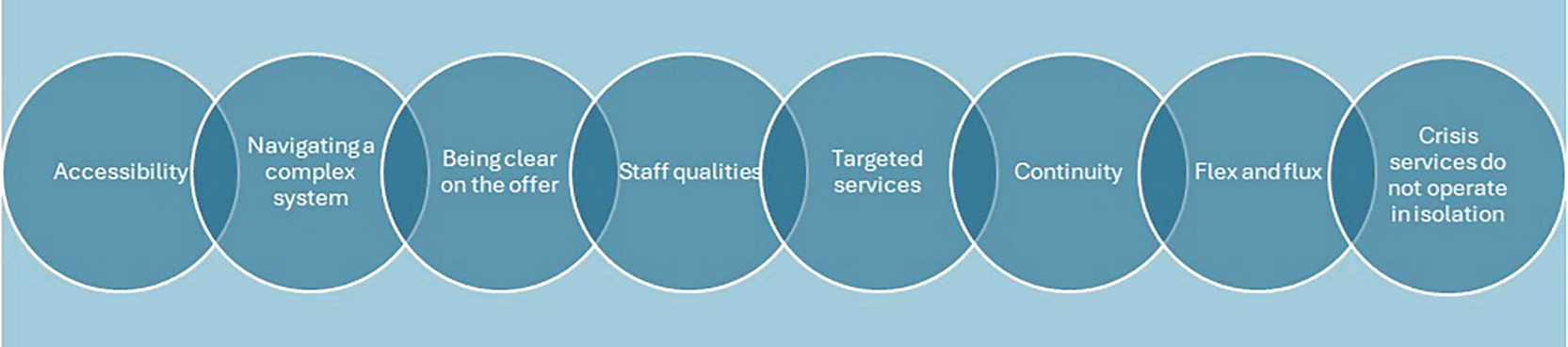
Evidence included in our earlier synthesis (Bolger et al., 2004; East of England Clinical Networks, 2017; Garcia et al., 2007), along with findings from other recent research (Pryjmachuk, Kirk, Fraser, Evans, Lane, Crooks, et al., 2024a; Strøm et al., 2025), demonstrates how services for CYP in crisis need to be accessible and ‘present’. This was certainly the case for many of the CYP participating in this project, numbers of whom wanted to see increased provision of non-clinical and informal support services with evening and weekend opening hours, such as crisis cafés. Likewise, parents and carers vividly outlined some of the challenges or ‘fights’ that they had faced in accessing crisis support for CYP and the extensive waiting times that several families had endured.
A lack of continuity in care provision (Narendorf et al., 2017), along with poor interagency communication and collaboration (Walter et al., 2006), were findings reported in our previous review. CYP, families and professionals in this project similarly talked about the complexity of the mental health system. Without skilled support, the work of navigating the system often fell to parents, and sometimes CYP themselves, who felt ill-equipped for the role. Known from previous research is the importance of care coordination (Hannigan et al., 2018), and this work remains vitally important for CYP during periods of crisis and beyond.
Findings presented in this paper include examples of professionals understanding ‘crisis care’ in different ways, and of CYP being unsure as to whether their experiences constituted ‘mental health crisis’. In addition, families described not having the right information to hand regarding the types of services that were on offer. These resonate with what was found in our synthesis, which included reports of CYP and practitioners having different ideas of ‘crisis’ (Walter et al., 2006) and CYP having nowhere to turn other than A&E (Care Quality Commission, 2018). They also resonate with findings from earlier related research (Pryjmachuk, Kirk, Fraser, Evans, Lane, Crooks, et al., 2024a). Cumulatively these findings illustrate how services need to provide clear and accessible information on what they can and cannot do in order to allow informed decision-making and to prevent ‘threshold rationing’. This includes being clear on definitions of crisis (this being an area where national guidance may have a part to play), service offers, and about endings and what happens next.
CYP experiencing common mental health difficulties value staff who are engaged and collaborative (Pryjmachuk, Kirk, Fraser, Evans, Lane, Crooks, et al., 2024a), and during periods of crisis value support which is sensitive and compassionate (East of England Clinical Networks, 2017; Garcia et al., 2007). A recently updated competency framework for practitioners working in CYP mental health services draws attention to the importance of care that is safe, helpful and ethical and which is underpinned by core ways of working (Supporting Children Young People and Families, 2025). Many CYP and families in our project spoke similarly of the importance of the personal qualities of staff. Interpersonal skills are, then, important, but as we found from other outputs included in our earlier review (Care Quality Commission, 2017; East of England Clinical Networks, 2017) so too is training relative to roles and expectations. This is not about professional qualifications/clinician-led services per se, but is about having the expertise and skills to engage with CYP.
Our case studies included some targeted services for CYP with particular health and/or social care needs, which indicated that these are an important component within the overall crisis system. Findings presented here include examples of family members and CYP experiencing these more specialised services as transformational. In addition, as a commissioner for one case study service noted, targeted services may appear more costly upfront but in the long-term they provide significant cost benefits. Services of this type did not feature strongly in our evidence review (Evans et al., 2023), and the potential value of targeted, specified, approaches (for example, for neurodiverse CYP in crisis) indicated in this current project is an important implication for future whole-system provision.
CYP spoke of the importance of familiarity and continuity, underscoring the value of services which are sustained over time and which provide support before and beyond crisis. In related research this has been referred to as ‘aftercare planning’ (Pryjmachuk, Kirk, Fraser, Evans, Lane, Crooks, et al., 2024a). This resonates with the need, clearly identified in outputs included in our synthesis, to provide support earlier in the crisis pathway when support is needed but is often unavailable (Garcia et al., 2007; Nirui & Chenoweth, 1999; Northern Ireland Commissioner for Children and Young People, 2018; Youth Commission on Mental Health, 2019).
Services explored in this project included some which were longstanding, and others with very recent histories. CYP and families gave examples of how they would like services to expand in the future, pointing to the importance of flexibility to allow nimble and responsive approaches to meeting local need. Findings also point to the problems of excessive change, and of how too much flux in systems of care can create instability. For all services, demonstrating value and positive outcomes for CYP and their families is important in securing financial, organisational and workforce stability. This need to balance system adaptability with continuity, which is a theme not previously identified in our evidence review (Evans et al., 2023), has implications for future commissioning and provision.
We observed in our review how comprehensive responses to crisis are likely to cross organisational and agency boundaries (see for example: East of England Clinical Networks, 2017; HM Government, 2017; Irvings & Barnes, 2018; London Strategic Clinical Network, 2015; Royal College of Psychiatrists, 2014). In this study, CYP, families and practitioners all spoke of the connections between crisis services and other parts of their local networks of care. In an environment in which organisations, still, often work in relative isolation there is an ongoing need for the whole system around the CYP (health, education, social care) to work together and share information to support CYP as they move into, through and out of crisis care. This process needs to be transparent and visible to all.
Despite the best efforts of members of the research team to invite participants into the project, across some of the case studies we are aware of the absence of key voices. in site 7, for example, no CYP, parents or carers took part. Whilst findings from this project significantly extend what was previously known about approaches to crisis care for CYP (Evans et al., 2023), we are also aware that a number of approaches to crisis provision identified in our typology ( Table 1), used as a sampling frame for our case study selection, have not been examined in the way the eight exemplars reported here have been. Future research might fruitfully examine these approaches to organising crisis responses.
Mental health crisis care for CYP is a national and international policy and service development priority (NHS England, 2024; Welsh Government, 2025). Findings reported in this paper, and in our earlier paper drawing on survey returns from the first phase of our project (Bennett et al., 2025), reveal in detail the diversity in crisis responses currently found across England and Wales, the opportunities and challenges for implementation and sustainment, and the views and experiences of CYP, parents and carers relating to their use of services. Given the underdeveloped knowledge base for the precise content of crisis responses at the point of their delivery found in this project’s underpinning evidence synthesis (Evans et al., 2023), coupled with the evidence generated in this current project as reported both here and in our earlier paper (Bennett et al., 2025) pointing to a remarkable heterogeneity in what is provided, a case also exists for new interventional research designed to examine the effectiveness of approaches and CYP and family members’ experience of these.
This study adhered to the principles contained in the Declaration of Helsinki. A favourable ethical opinion relating to this case study phase of the project was given by the South West – Cornwall and Plymouth Research Ethics Committee (REC) in May 2023, with approval for the study to proceed confirmed in the same month by the Health Research Authority (HRA) and Health and Care Research Wales (HCRW) (REC reference 23/SW/0063, IRAS project ID 324235). Formal approvals to collect data within each of the eight cases were also secured. In each case, information about the project was shared through REC-approved, age-appropriate, flyers and videos. Information sheets were tailored to participant groups, and in the case of CYP were age-appropriate. Information sheets and other participant-facing documents included details on how to make contact with data-generating members of the research team to discuss taking part.
Informed consent was obtained by data-generating members of the research team from all interview participants, and from parents/carers of CYP under the age of 16 who took part. Assent was additionally secured from all participating CYP under the age of 16. In August 2023, a substantial amendment to allow the use of social media channels, maintained by case study organisations, to alert potential participants to the project was given a favourable opinion by the South West – Cornwall and Plymouth REC (REC reference 23/SW/0063 [substantial amendment SPON1935-23_SA01]). In October 2023 and March 2024, substantial amendments expanding how both informed consent and assent could be given (including through written, or audio-recorded verbal means) were given favourable opinions by the South West – Cornwall and Plymouth REC (REC reference 23/SW/0063 [substantial amendments SPON1935-23_SA02 and SPON1935-23_SA03]). The choice on how to record consent and assent was made by participants, and the parents/carers of CYP under-16 taking part, with information sheets being updated to reflect this. In all cases, audio-recorded and written consent was stored separately from data files, and records of consent were sent to participants. The amendments to enable consent and assent to be given in verbal as well as written form were applied for, and approved, following consultation within the research team and with CASCADE Voices. They aimed to promote accessibility and to expand the range of ways in which CYP, in particular, could join and then participate in the study. This included CYP experiencing difficulties reading text. Finally, in September 2024 and January 2025, substantial amendments to expand the ways in which CYP aged 12 and over could participate, including through the use of voice notes, messaging and email were given favourable opinions by the South West – Cornwall and Plymouth REC (REC reference 23/SW/0063 [substantial amendments SPON1935-23_SA04 and SPON1935-23_SA05]. All amendments were approved by the HRA and HCRW (IRAS project ID 324235). All data were stored electronically within secure Cardiff University servers.
Provide sufficient details of any financial or non-financial competing interests to enable users to assess whether your comments might lead a reasonable person to question your impartiality. Consider the following examples, but note that this is not an exhaustive list:
Sign up for content alerts and receive a weekly or monthly email with all newly published articles
Register with NIHR Open Research
Already registered? Sign in
If you are a previous or current NIHR award holder, sign up for information about developments, publishing and publications from NIHR Open Research.
We'll keep you updated on any major new updates to NIHR Open Research
The email address should be the one you originally registered with F1000.
You registered with F1000 via Google, so we cannot reset your password.
To sign in, please click here.
If you still need help with your Google account password, please click here.
You registered with F1000 via Facebook, so we cannot reset your password.
To sign in, please click here.
If you still need help with your Facebook account password, please click here.
If your email address is registered with us, we will email you instructions to reset your password.
If you think you should have received this email but it has not arrived, please check your spam filters and/or contact for further assistance.

Comments on this article Comments (0)